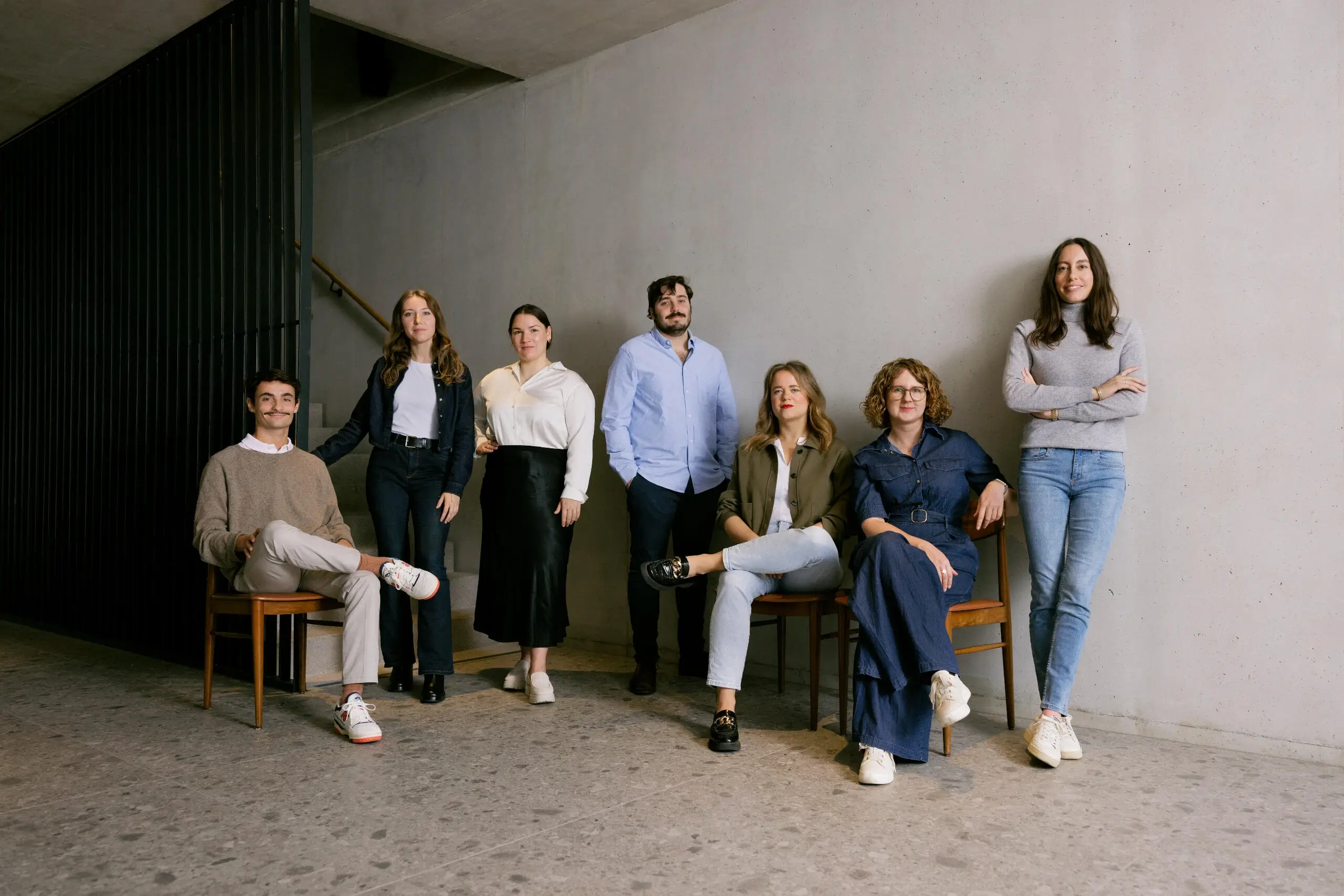
Early-stage funding in Europe has a well-documented distribution problem. In 2021, just 1.1% of all VC funding across the continent went to female-only founding teams, and only 8% reached gender-diverse teams. That gap is not about deal quality. It is about who controls the capital. Fund F, the Vienna-based venture capital firm co-founded by Lisa-Marie Fassl and Nina Wöss, is built around fixing exactly that.
The numbers already tell a strong story. Fund F closed its first fund at €28 million in February 2025, exceeding its original €20 million target by 40%. The European Investment Fund (EIF) joined at the final closing with a €10 million commitment, making it the fund’s largest LP. The EIF rarely backs first-time fund managers, so its participation carries real weight across the European VC ecosystem.
Who Is Behind Fund F:
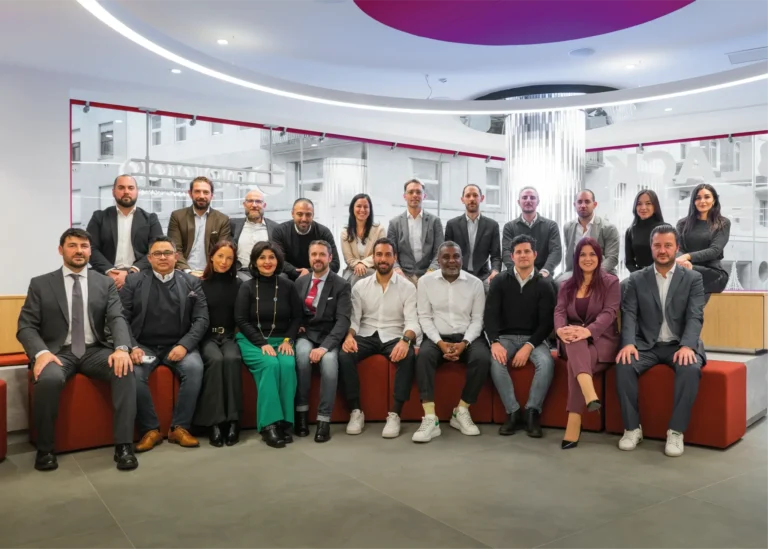
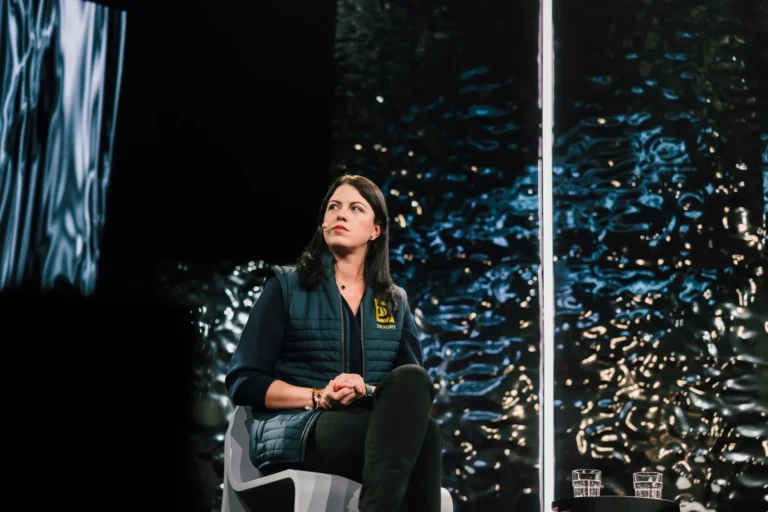
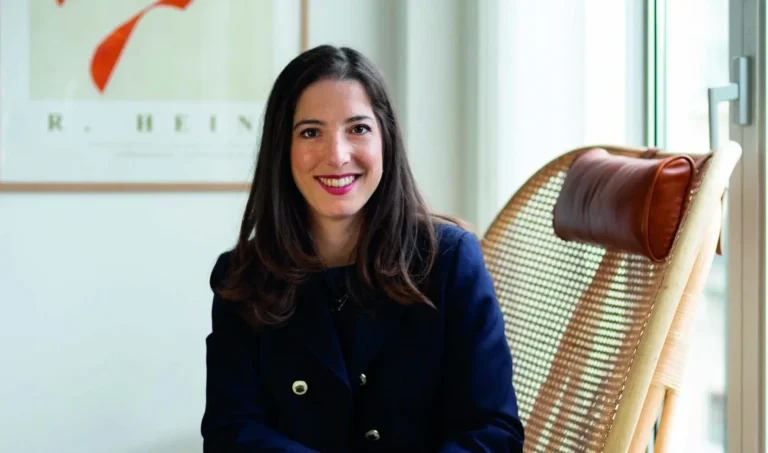
Lisa-Marie Fassl and Nina Wöss co-founded Female Founders in 2016, building it into a pan-European network of over 60,000 founders, investors, and operators. When they launched Fund F in October 2022, they stepped back from Female Founders entirely and focused fully on the fund.
Fassl previously served as CEO of the Austrian Angel Investors Association (AAIA) from 2016 to 2020, and as Special Advisor for Startups at the Federal Ministry for Digital and Economic Affairs. She is a Forbes 30 Under 30 alumna and lectures at several Austrian universities. Wöss joined Speedinvest as one of its earliest team members in 2012 and spent seven years there, progressing from Principal to Head of Marketing and Community. She also served as Chairwoman of AVCO, the Austrian Private Equity and Venture Capital Organisation.
The Investment Thesis:
Fund F invests in pre-seed and seed-stage tech startups across Europe, with one hard requirement: at least one female co-founder with equal representation on the cap table. The fund covers ClimateTech, HealthTech, FemTech, FinTech, and HR Tech, with a particular focus on HealthTech and ClimateTech. Investable companies must have digital and scalable business models.
Each investment comes in at €300,000. The fund plans to back 25 startups in total, with 60% of capital reserved for follow-on investments. Fassl and Wöss have committed to leading rounds for at least 30% of their portfolio companies, directly addressing the practical barrier many female founders face when building their first institutional raise.
“Many early-stage rounds led by female founders take longer to close or fall apart entirely because they struggle to find a lead investor, even when their team and model are clearly VC-ready. That’s exactly where we step in,” Fassl told Sifted.
The Deal Flow Reality:
One of the most common questions about diversity-focused funds is whether enough qualified deal flow actually exists. Fassl addressed this directly in a Brutkasten interview in March 2025: in 2024, Fund F screened more than 2,000 startups. Wöss adds further context with a statistical comparison: in Europe, there are statistically more deals with at least one female co-founder than there are pure fintech deals, and no one questions the size of the fintech investment market.
As of its February 2025 final close, Fund F had made 14 investments with a total deployed volume of €5 million. Portfolio companies include KOA Biotechnology, a Barcelona-based biotech spinoff from Pompeu Fabra University that raised €2 million for early detection of waterborne infections in fish farms, and AI-BOB, which builds AI assistants and apps for public housing authorities.
LP Diversity as a Strategy:
Fund F’s LP base is as intentionally structured as its portfolio criteria. More than one-third of its limited partners are women, including entrepreneurs, angel investors, family offices, and institutional backers. Confirmed LPs include the EIF, Austria Wirtschaftsservice GmbH via its Venture Capital Initiative, Raiffeisen Landesbank Steiermark, and super angel Hansi Hansmann of the Hanswomen Group. Speedinvest also participated as a fund-of-funds investor.
“We often talk about the importance of gender diversity when it comes to founders and VC investment decisions, but diversity among LPs is just as critical. It shapes how capital is allocated, what opportunities are prioritised, and who gets to build the companies of the future,” Wöss told Sifted.
Support Beyond Capital:
Fund F’s model extends past writing a check. The fund works with founders on personal development and leadership, team building, and go-to-market strategy. Oliver Holle, CEO and Managing Partner at Speedinvest, described Fund F’s team as having “proven their ability to identify and attract the best founders, building trust and offering hands-on support.” At the pre-seed stage, that kind of structured involvement is particularly valuable for founders raising their first institutional round.
Why This Matters for European Tech:
Europe’s VC market is growing, and institutional players like the EIF are actively setting targets around climate and equality. Fund F sits at the intersection of both priorities, backing founders building in HealthTech and ClimateTech with gender-diverse teams building scalable businesses.
Founders looking to understand what European early-stage VC investors actually prioritize at the pre-seed stage will find it useful to study how funds like Fund F structure their thesis, their LP base, and their support model. Understanding what lead investors look for helps founders build stronger rounds from the start.
“With this fund, we are not just writing checks. We are shaping the future of European tech by actively supporting female founders as lead investors. EIF’s backing is a testament to the strength of our strategy and the economic opportunity that diverse founding teams represent,” said Fassl at the final close.
Key Takeaways for Founders and Investors:
Fund F is an active European investor worth understanding whether you are a founder building your first raise, an operator evaluating the pre-seed landscape, or an LP looking at the diversity-focused venture market.
For pre-seed founders, knowing which investors actively lead rounds, at what check sizes, and in which sectors helps shape a stronger fundraising pipeline. Fund F has been explicit about all three. For ecosystem builders, the fund’s LP composition and investment thesis offer a useful model for how early-stage investing can be structured with both financial and structural goals in mind.