Sales compensation is one of those workflows that every revenue team touches every quarter, and most teams quietly dread it. Spreadsheets pile up, corrections multiply, and the final numbers arrive only after days of back-and-forth across finance, operations, and HR. Barcelona-based startup Dolfin is built specifically to solve this. The company closed a €2.1 million seed round, led by Swanlaab, with participation from Archipelago Next, Inveready, and Dozen. The funding goes toward product development and expansion across Europe and the United States.
Founded in 2023, Dolfin helps RevOps, finance, and compensation teams design, manage, and adapt compensation plans without spreadsheets, complex implementations, or external consultants. That covers a very real gap. Most companies with sales teams are still running commission calculations manually, even at significant scale.
The Actual Problem it Solves:
In many companies, commission management still relies on spreadsheets, legacy tools, and manual workflows. Plans are frequently adjusted mid-cycle, data is corrected and assignments change, but many systems are not built to handle this constant evolution. The result is weeks of reconciliation just to produce numbers that should be automated from the start.
Dolfin integrates with CRM, ERP, and HRIS systems. Onboarding, which once took six months, now takes weeks. Commission cycles that required days of manual validation can now be closed in hours, even as business strategy and plans evolve. For a RevOps or finance team managing dozens of compensation plans, that is a meaningful operational shift.
Real-Time Visibility for Sales Reps:
One of the more practical features Dolfin offers is what it gives to individual sales reps, not just administrators. Sales teams can view in real time how each deal affects their earnings, whether they are on track to meet their targets, and which actions can help them advance to the next level.
According to the company, this combination of automation and transparency can lift sales performance by up to 20% by keeping reps focused on selling rather than auditing their own pay calculations. When reps spend less time chasing commission clarity, they spend more time on revenue-generating activity.
AI Native from Day One:
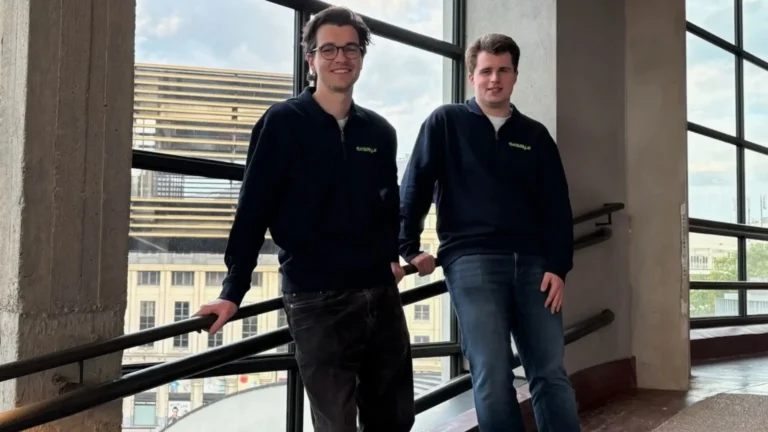
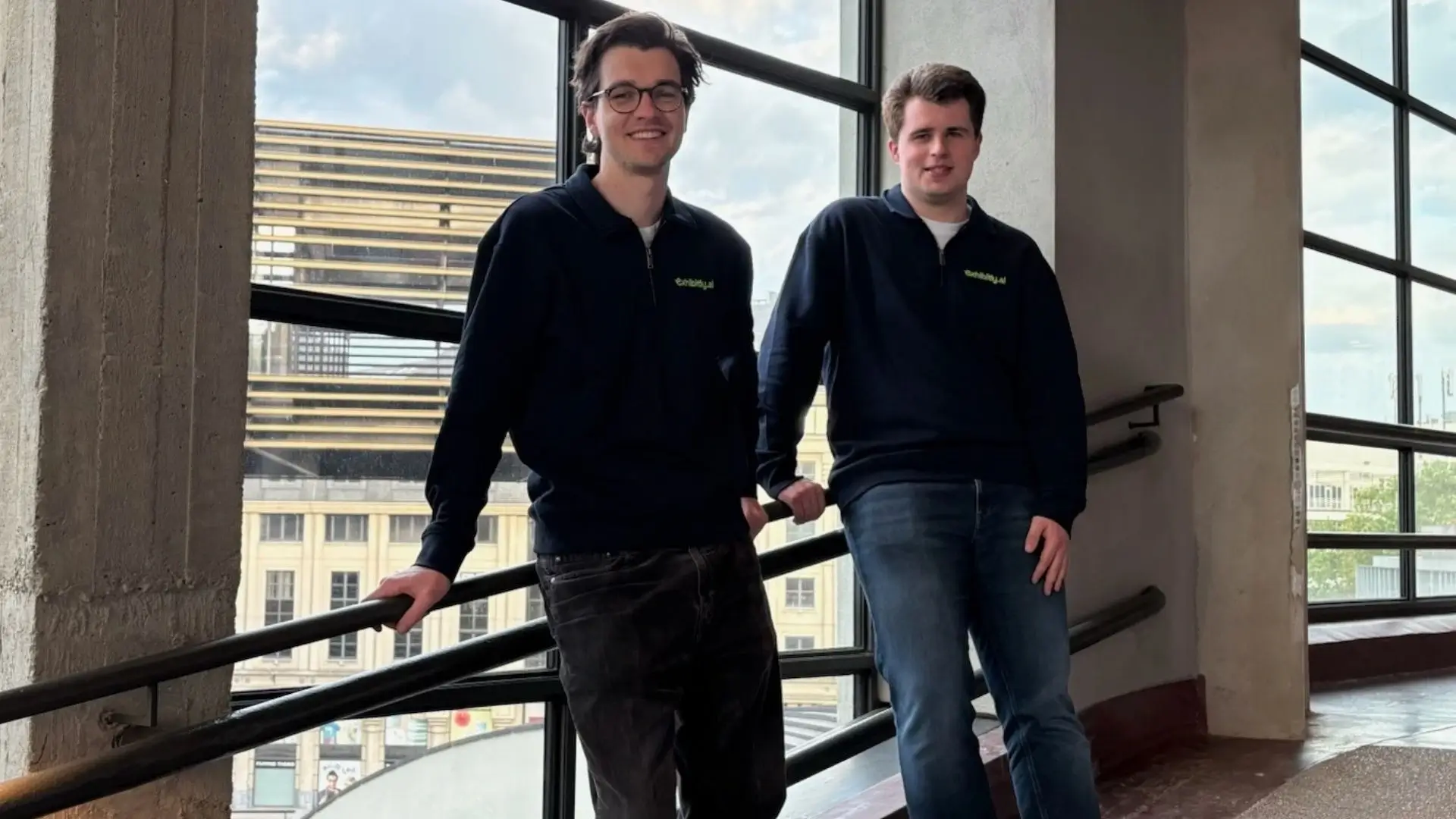
The people behind Dolfin are not new to this problem. CEO Daniel Seror and CPO Antoni Bardina established the company in 2023 after seeing firsthand how broken the compensation management process was for revenue teams. Bardina put it directly: “Incentive compensation has always been complex. What has changed is that we can finally make it simple for the people who use it.”
That simplicity starts at the infrastructure level. Dolfin allows a new incentive plan to go live within hours. Even a 48-hour flash incentive can be deployed without the need for an implementation team. Most legacy sales commission management software requires significant implementation support just to change a single rule. Dolfin’s no-code, logic-driven interface means operations teams handle those changes themselves.
Who is Already Using it:
Dolfin already holds a SOC 2 security certification and works with enterprise organisations generating over $1 billion in annual revenues, demonstrating early traction at the top of the market. That combination of enterprise compliance and existing revenue-generating clients is notable for a company at seed stage.
Dolfin’s two most directly comparable European peers at the seed and early-growth stage are Remuner (Barcelona) and Driven (Ghent), both targeting the same automation gap in sales incentive management. Dolfin’s edge is its early enterprise positioning, with SOC 2 certification and existing clients above $1 billion in revenue giving it a compliance-first credibility. For enterprise procurement teams, that certification removes a significant evaluation barrier early in the sales cycle.
What the Funding Goes Toward:
The company intends to use the funds to accelerate the engineering of its software, expand its commercial go-to-market teams, and market penetration across Europe and the United States. The round was led by Swanlaab, a Madrid-based Spanish-Israeli venture capital firm focused on investing in early-stage and growth-stage technology startups with global scalability potential. Having a lead investor with that geographic reach is relevant for a company expanding into both European and US enterprise markets simultaneously.
Dolfin’s approach, building an AI-native sales commission management system from the ground up rather than retrofitting older infrastructure, positions it well for the enterprise buyers already on its books.