The global food system has a protein problem. The FAO projects that demand for animal protein will rise by 50 to 100% by 2050, while conventional dairy farming in France and across Europe has been declining due to climate change, economic pressure, and generational shifts away from farming. Verley, a French food technology startup founded in 2022, is producing precision fermentation dairy proteins that are nutritionally identical to those from cow’s milk, but with a significantly lower environmental footprint.
This is not about replacing dairy. Verley’s model is built around complementing existing dairy production, and that framing matters for how food companies and ingredient buyers should think about it.
The Problem is Real:
The food industry is responsible for more than 26% of global greenhouse gas emissions, with dairy farming contributing meaningfully to that share through emissions, water consumption, and land use. Meanwhile, feeding 10 billion people by 2050 without supplementary protein sources would require deforesting an additional 1.8 billion hectares, according to data cited by Verley. Conventional cattle farming simply cannot scale to meet that demand alone.
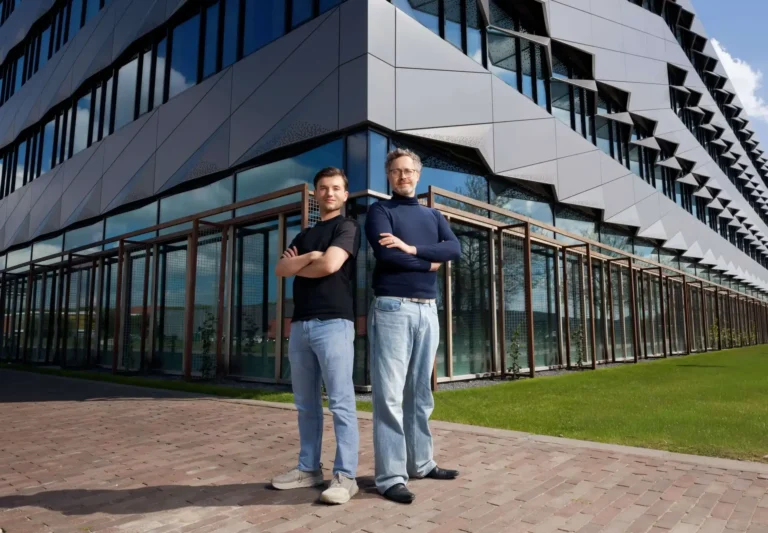
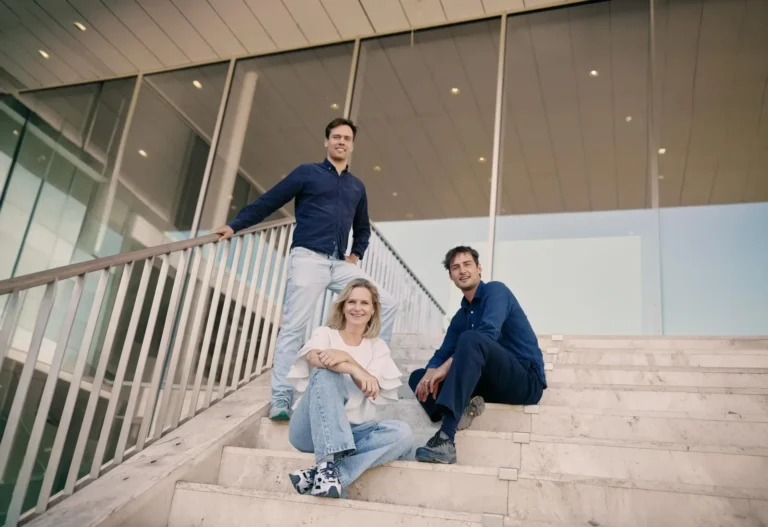
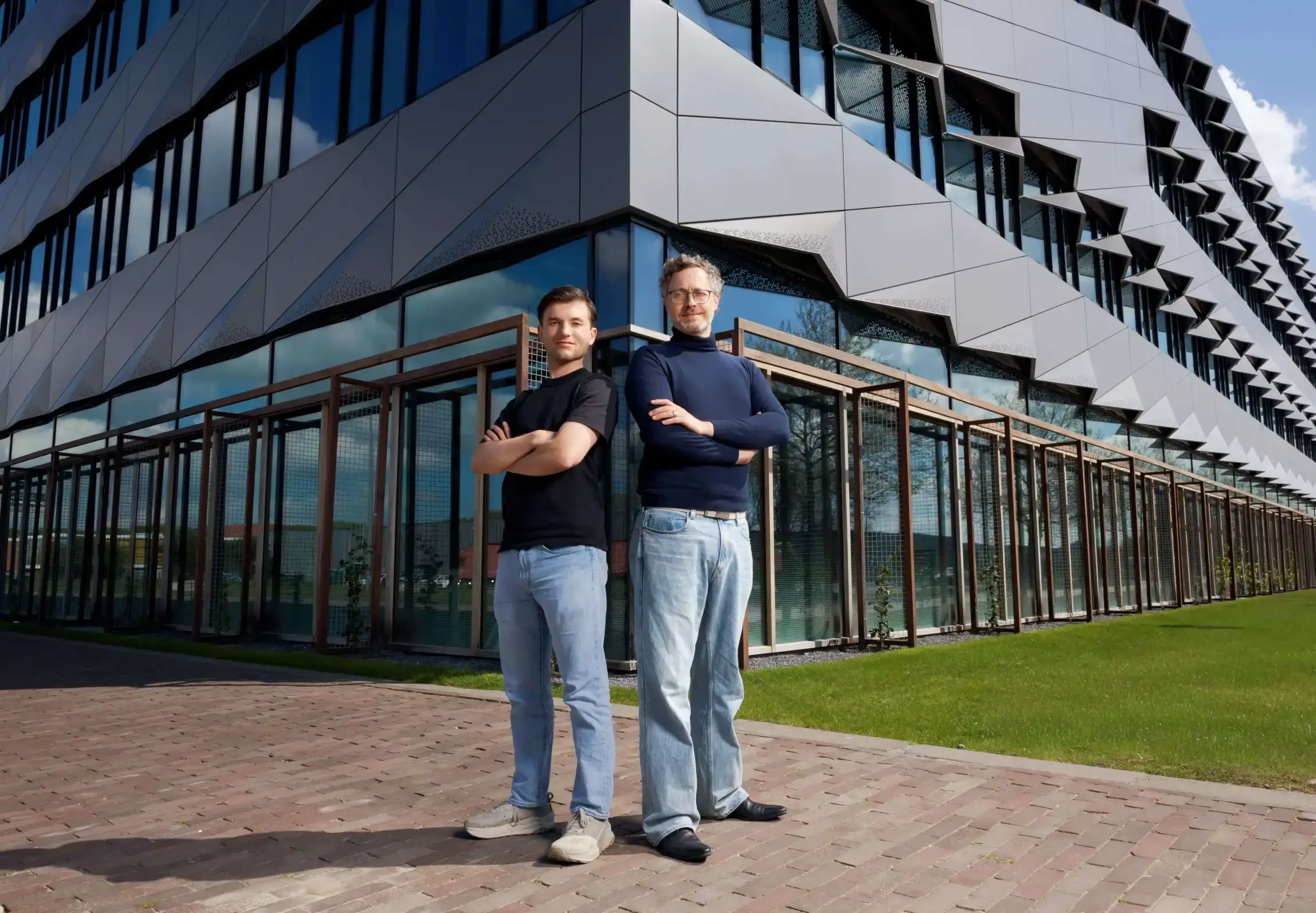
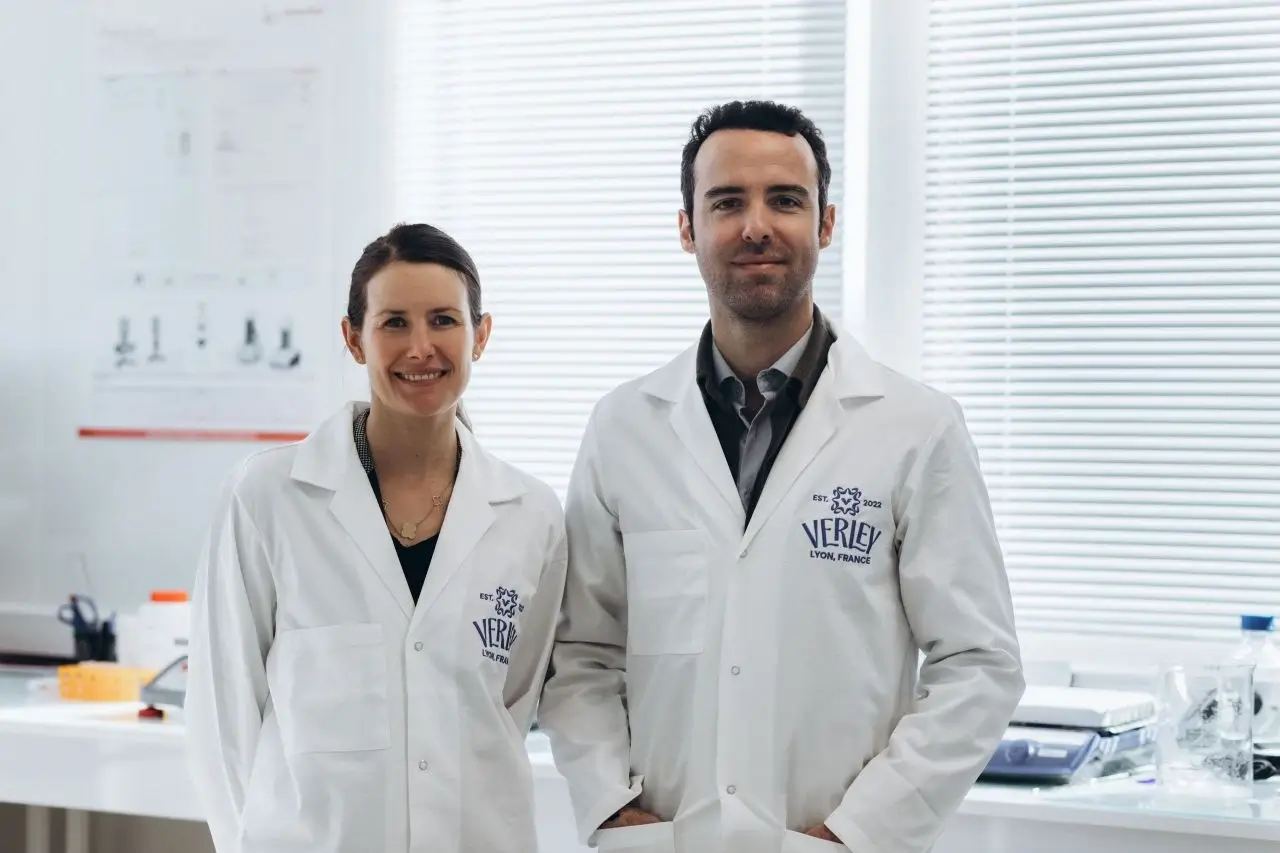
Founders Hélène Briand and Stéphane Mac Millan started Verley in 2022 specifically to address this supply gap. Both come from backgrounds in sustainability and food innovation, and the company is part of recognized French deep tech and food biotech communities, including France DeepTech, Impact France, Alliance Precision Fermentation, and EuropaBio.
How FermWhey Works:
Verley’s core technology platform is precision fermentation, a process that uses microorganisms engineered to produce specific proteins. The four-step process runs through strain engineering to program the microorganism, fermentation in bioreactors where it produces milk proteins, purification to isolate the protein at high purity with zero GMO and zero lactose content, and functionalization to enhance performance for specific food applications.
The output is their FermWhey™ ingredient line, currently comprising four variants. FermWhey™ Native is a clean whey protein designed for protein snacks, powders, and ready-to-drink applications. FermWhey™ Native 100 is a higher-concentration version for pure protein use cases. FermWhey™ MicroStab is the most technically distinctive, offering heat and acid stability that makes it usable in UHT drinks and high-protein fresh dairy products, applications where conventional whey proteins typically underperform. FermWhey™ Gel is built around Verley’s proprietary GelFactor™ technology, delivering natural gelling properties for spoonable dairy and cheese formulations without the need for additives.
Built for Industrial Integration:
One practical strength of Verley’s approach is that its ingredients are designed to slot into existing dairy production lines. Food manufacturers do not need to redesign their processes to use FermWhey. The proteins deliver the same flavor, texture, and nutritional profile as conventional whey, which matters for brands reducing their environmental footprint without compromising product quality.
Verley has also completed an independent, peer-reviewed Life Cycle Assessment (LCA) comparing its precision fermentation proteins to conventional dairy farming. The full report is publicly available on their website, which ingredient buyers and sustainability-focused brands can use in their own reporting. You can also explore how precision fermentation startups are reshaping the alternative protein market for broader context on where this category is heading.
A Regulatory Step Forward:
Verley’s ingredients have received FDA approval, which is a notable milestone for any European food BioTech startup with ambitions in the US market. This approval supports their positioning as an ingredient supplier to industrial food manufacturers rather than a direct-to-consumer brand, a B2B model that tends to scale more efficiently in precision fermentation.
$38M Series A Secured:
Verley closed an oversubscribed $38 million Series A, just four years after the company was founded. Alven led the round, joined by new investors Blast Club and Bpifrance, alongside returning investors Sofinnova Partners, Sparkfood, CAPTECH Santé, and Founders Future. The round also includes additional non-dilutive support from Bpifrance.
The capital is directed toward industrial deployment and commercial scale-up. An oversubscribed round at this stage reflects investor confidence in the precision fermentation category and in Verley’s specific technical and commercial progress.
A Well Timed Move:
Precision fermentation as a category has been building momentum across Europe and North America, but the consistent challenge has been producing proteins that perform well in real food applications, not just in nutritional profile. Verley’s MicroStab variant specifically addresses the UHT stability gap, which has been a technical barrier for high-protein dairy beverages. The ability to produce a whey protein that survives heat treatment opens up formulation options that were not previously available with fermentation-derived proteins.
For startup founders and operators in adjacent FoodTech sectors, Verley represents a clear model: focus on a specific technical gap in a large established industry, build an ingredient business rather than a consumer brand, and back environmental claims with independent data. For food manufacturers looking to diversify protein supply chains or reduce dairy-related emissions, Verley’s FermWhey line is a concrete option worth evaluating.
Verley’s work on precision fermentation dairy proteins shows how biotechnology can expand supply options for the food industry without asking manufacturers to overhaul their operations or consumers to change what they eat.