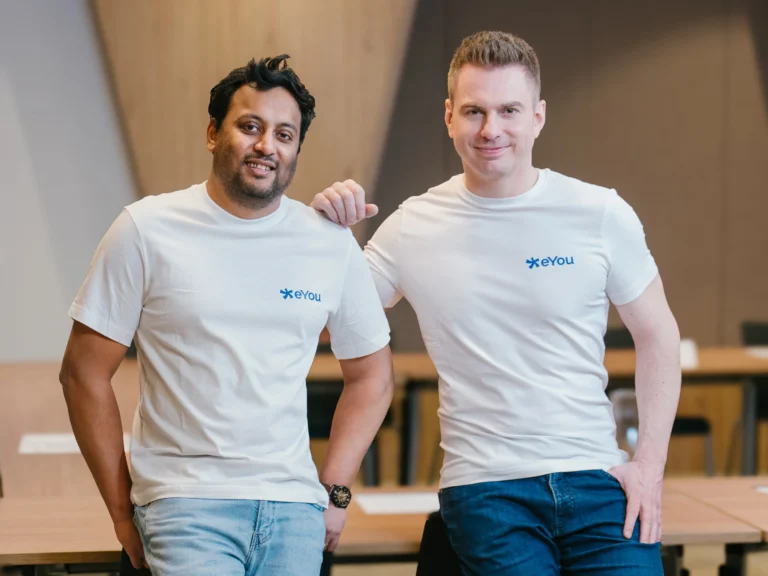

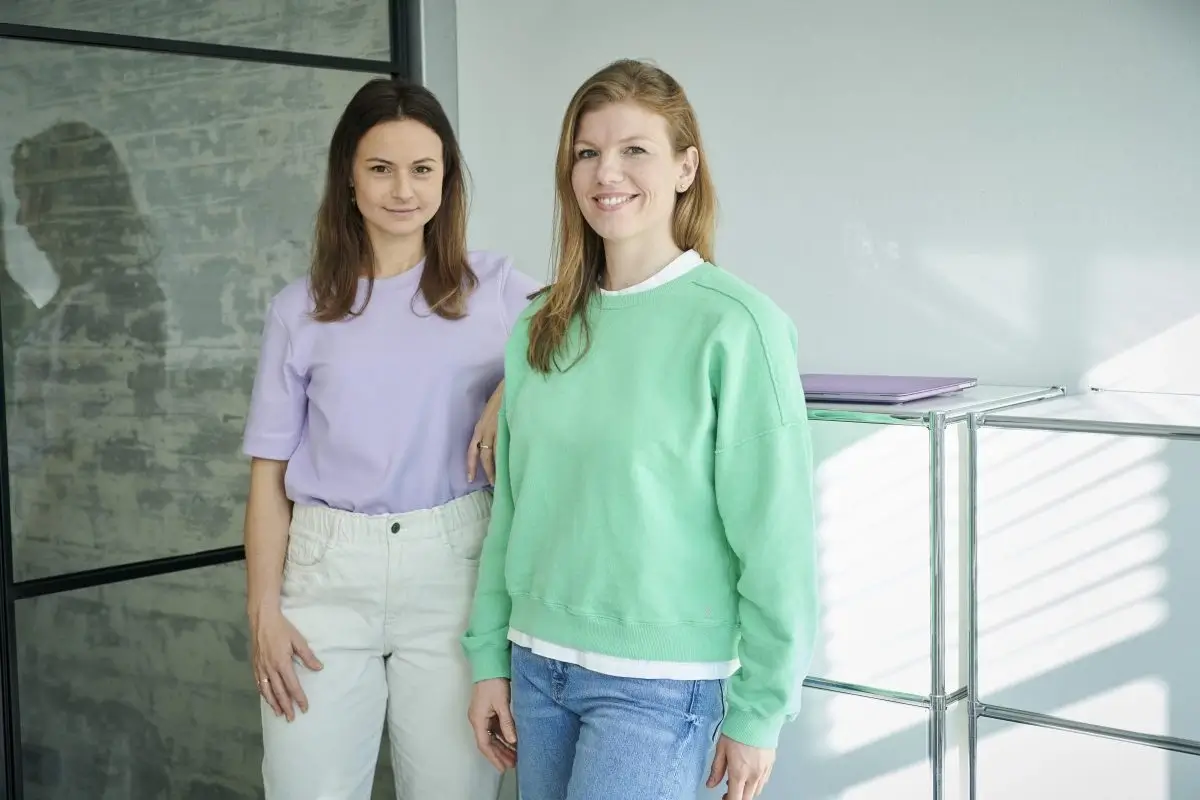
Doris Schoger and Sofie Morber did not start Tildi because the market was easy. They started it because it was broken. The reCommerce space for children’s products lacked transparency, user friendliness, and the infrastructure brands actually needed to go circular. So in 2023, the two co-founders built it themselves.
Their Munich-based startup Tildi is a platform targeting brands and retailers directly, not just end consumers. That is the key distinction.
Two Founders, One Model:
Doris brings a sociology and economics background with years in reCommerce since 2019, including experience at fashion and marketing-focused startups, one of which was Zalando. She runs the product and design side, using FIGMA, GitHub, and Google Drive as her core tools. Sofie comes from finance and accounting, and stepped into founding straight after her consulting career. She has a young daughter, which shaped the product vision from day one.
The combination works because the two perspectives do not overlap. One founder thinks in systems and circularity. The other thinks in unit economics and operational structure. That balance shows up in how Tildi is built.
Resale as a Service:
Tildi’s core focus is giving brands and retailers of children’s products the infrastructure to run circular business models. The platform lets them offer customers a way to trade in products, then move those items back into the market as secondhand goods.
This is not a consumer marketplace. Tildi provides the backbone so brands can participate in reCommerce without building everything from scratch. That positioning puts Tildi between the brand and the end customer, which is a harder problem to solve but a more scalable one.
reCommerce is Accelerating:
The reCommerce market is growing steadily across Europe. Families buying and selling children’s products secondhand is already an established behavior. The gap has always been on the brand side, where most retailers had no structured way to enter resale themselves.
Tildi closes that gap directly. When a retailer partners with Tildi, they gain a circular business model without operating a separate resale channel.
Doris described it clearly in an interview with Munich Startup: the circular economy is a team sport. No single brand builds it alone. Tildi’s approach is to build the connective layer rather than compete for end consumer attention.
The Munich Advantage:
Munich gives Tildi access to sustainability-focused families, a strong tech community, and a growing B2B network. The startup received initial investment from angels and was actively fundraising as of early 2025, with the founders inviting anyone interested in circular commerce to reach out directly.
Sofie connected the founding decision to something personal too. She described Tildi as a combination of a personal need as a mother and a genuine passion for entrepreneurship, driven by the real gaps she saw in the reCommerce market.
Where to Go From Here:
If you are building in the circular economy or adjacent retail categories, Tildi is a practical reference for how to position a platform between brands and consumers rather than competing with both. Brands and retailers exploring circular business models for children’s products can connect directly with the Tildi founding team. And if you are a founder working on infrastructure in Europe, the Tildi reCommerce startup founders story is a clear example of how domain knowledge and complementary skill sets translate into a defensible product position.