Developing a solar or wind project sounds straightforward until you actually start. Before a single panel goes up, teams spend weeks or months pulling data from dozens of sources, cross-checking zoning maps, flood risk plans, grid proximity, heritage sites, and local authority documents. Plume, a Franco-American startup specializing in geospatial AI for renewable energy, just raised €3.3 million to fix exactly that problem.
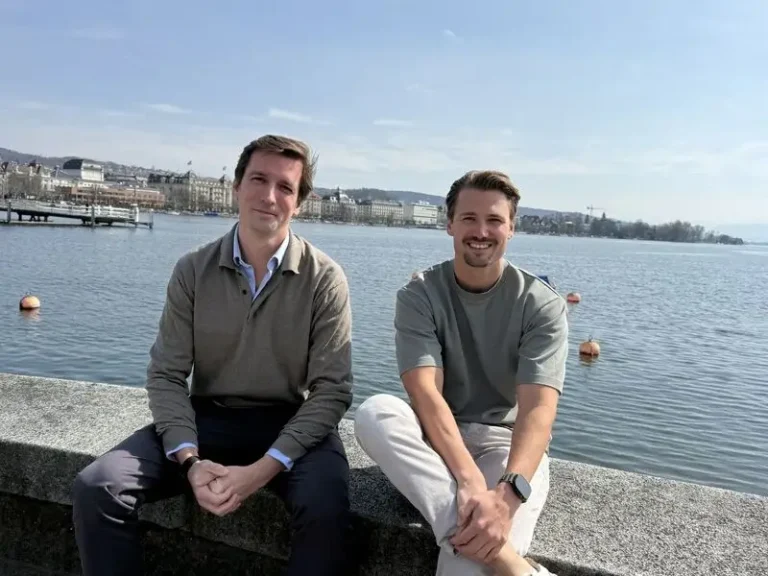
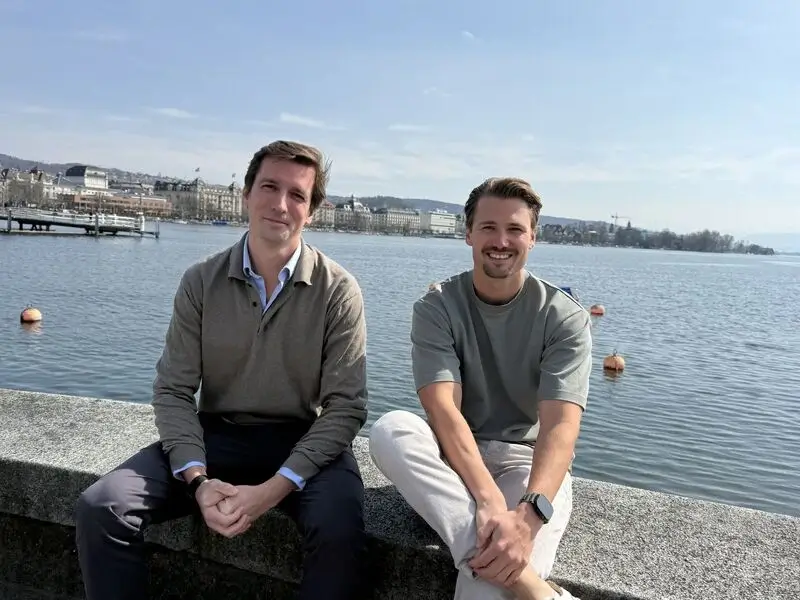
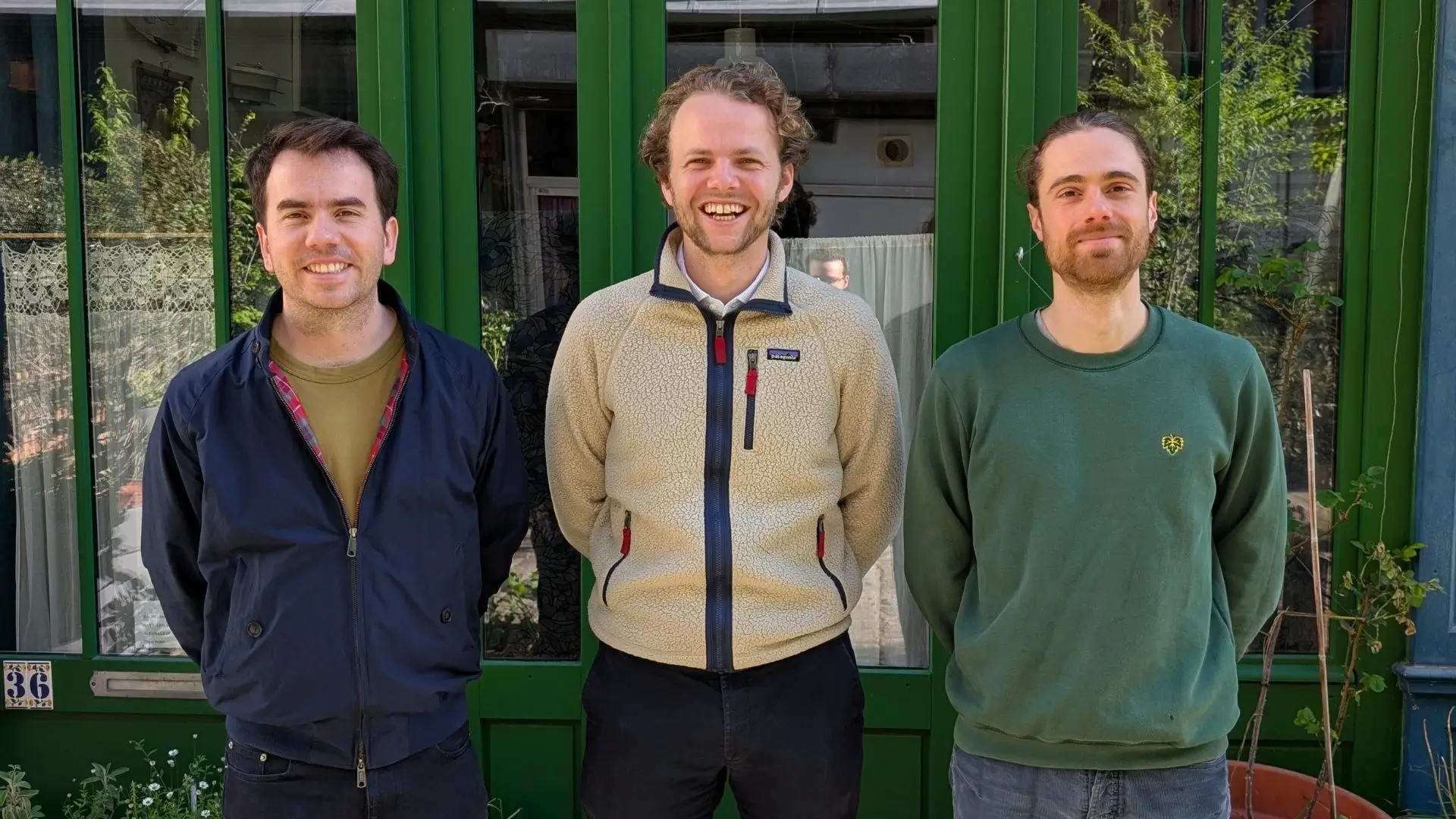
The round was led by AENU, with participation from Y Combinator, Kima Ventures, Raise Phiture, Better Angle, and Collab Fund. Founded in 2024 by Edouard Labarthe and Marc Watine, Plume is based in Paris and backed by Y Combinator’s S24 batch. Labarthe previously worked at Palantir, and Watine brings a research background in geospatial systems and AI from Harvard. That combination of operational and technical depth is visible in what they’ve built.
The Core Problem:
In France, developers must navigate over 100 custom criteria including zoning, environmental protections, grid proximity, flood zones, slope, and heritage sites before a project can move forward. This process is largely manual today. Teams download data from scattered government portals, build their own internal spreadsheets, and repeat the process for every site, every region, and every project cycle.
The time cost is significant. According to Plume’s clients, its AI agents enable site analyses to be completed up to 20 times faster and three times more accurately compared to manual workflows. For a project manager handling a pipeline of sites across multiple countries, that’s the difference between weeks and hours.
How Plume Works:
Plume aggregates more than 150 data sources, including natural areas, electrical grids, flood risk prevention plans (PPRi), building permits, and local authority deliberations, and deploys AI agents that reason over all of this information in natural language. A project manager can query the platform without any technical expertise and get a site analysis immediately.
The platform also reads local press, MRAE opinions, and public filings to surface stakeholder positioning, identifying who supports a project, who opposes it, and where competing projects stand. That kind of intelligence is typically gathered manually over weeks, if it’s gathered at all. Plume makes it available upfront, before teams invest significant capital or time into a site.
The company describes its approach as treating renewable energy development as a reasoning problem embedded in maps and documents. Its agents synthesize structured geospatial data and unstructured regulatory information to produce territorial intelligence in plain language, so the development team can focus on relationship building, negotiation, and the work that actually moves projects to construction.
Where It’s Deployed:
Plume is already deployed in France, Spain, Romania, and the Czech Republic, and is targeting Italy and the United States in 2026. In France alone, nearly 500 companies developing renewable infrastructure could benefit from the platform.
The new funding will finance team expansion, the launch into additional European markets, and the next phases of platform development, including stakeholder mapping, AI-based competitive intelligence, and automated drafting of permit applications. The company is actively hiring in AI systems, geospatial engineering, and energy analysis.
The Investor View:
Robert Stoecker, partner at AENU, described Plume as addressing the most critical bottleneck in the energy transition, specifically the years of friction that accumulate from manual site selection and permit processing. For a firm like AENU, which focuses on climate and sustainability, backing infrastructure intelligence software makes sense. The energy transition depends on projects actually getting built, and that requires developers moving faster through the early stages.
Plume’s positioning as a ClimateTech startup building agentic AI tools for renewable energy development puts it at the intersection of two areas receiving significant investor attention right now. Agentic AI for specialized professional workflows and clean energy infrastructure software are both seeing growing interest from both climate-focused and generalist VCs.
What This Means for Developers:
For renewable energy developers working across Europe, the core value proposition is straightforward. The startup reports that its platform enables better site selection and earlier risk identification, improving the efficiency of capital investment and reducing unforeseen setbacks at the end of development.
That last point matters. Late-stage project failures in renewable development are expensive. Finding out a site has a grid connection queue problem or a local opposition issue after months of work is a major cost driver in the industry. Tools that surface those signals earlier allow developers to either fix the issue or redirect resources to stronger sites. Plume’s approach to agentic AI in energy infrastructure is designed to move that discovery window from months to minutes.
With the fresh capital and a clear geographic expansion plan, Plume is building toward being the default intelligence layer for energy project teams across Europe and eventually the United States.