
Berlin-based Rail Transportation startup Nox Mobility is launching overnight train travel Europe can actually afford – and that changes the calculus for how people move across the continent.
Here’s what matters: Starting in 2027, Nox plans to run European overnight trains with fully private rooms priced to compete with budget airlines. No shared cabins with strangers. No cramped bunks. Just private space with 2-meter beds, panoramic windows, and fares that undercut traditional sleeper services.
This isn’t incremental improvement. It’s a rethink of what overnight train travel Europe should look like in 2025 and beyond.
Why Night Trains Haven’t Worked Until Now:
Traditional European overnight trains suffer from three core problems that keep travelers choosing flights instead.
- Privacy; Most operators still use shared compartments where you sleep inches from strangers. That’s a dealbreaker for many travelers, especially solo passengers and families.
- Pricing: A sleeper cabin from Paris to Vienna can cost €200-300 per person – often double what you’d pay for a short-haul flight. The economics don’t work for regular travel.
- Space: Narrow beds, limited luggage storage, and designs that haven’t evolved much since the 1980s make overnight journeys feel cramped rather than comfortable.
Nox is addressing all three at once through smarter interior design and operational efficiency borrowed from companies like FlixTrain and Bolt.
What Makes Nox’s Approach Different:
The company’s co-founder Thibault Constant has logged over 400 night train journeys worldwide and runs the “Simply Railway” YouTube channel with 500,000+ followers. That experience shows in the details.
Every Nox room includes:
- 2-meter beds (versus the 1.8-1.9m standard on most trains)
- Separate seating areas with tables for work or meals
- Full standing height and proper luggage storage
- Options for double beds and panoramic window views
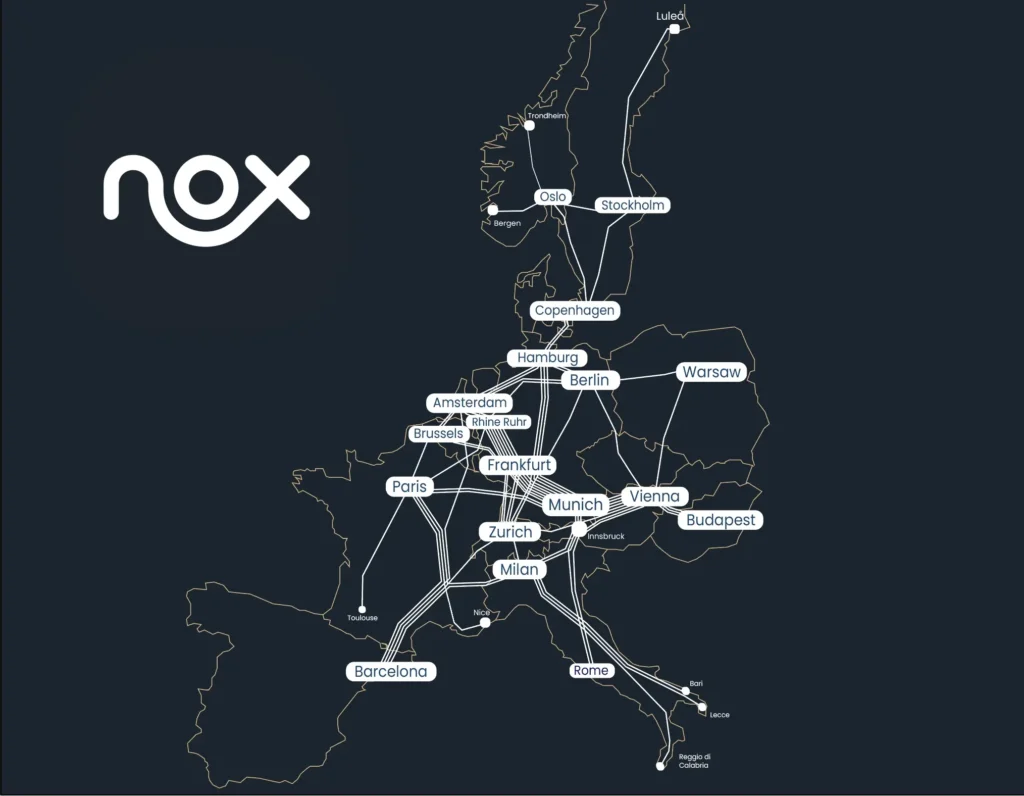
But the real innovation is density. Nox’s room design fits more passengers per train than traditional operators manage – without sacrificing comfort. Combined with standardized interiors and route optimization across 35+ planned European routes, this creates the margin to price competitively with airlines.
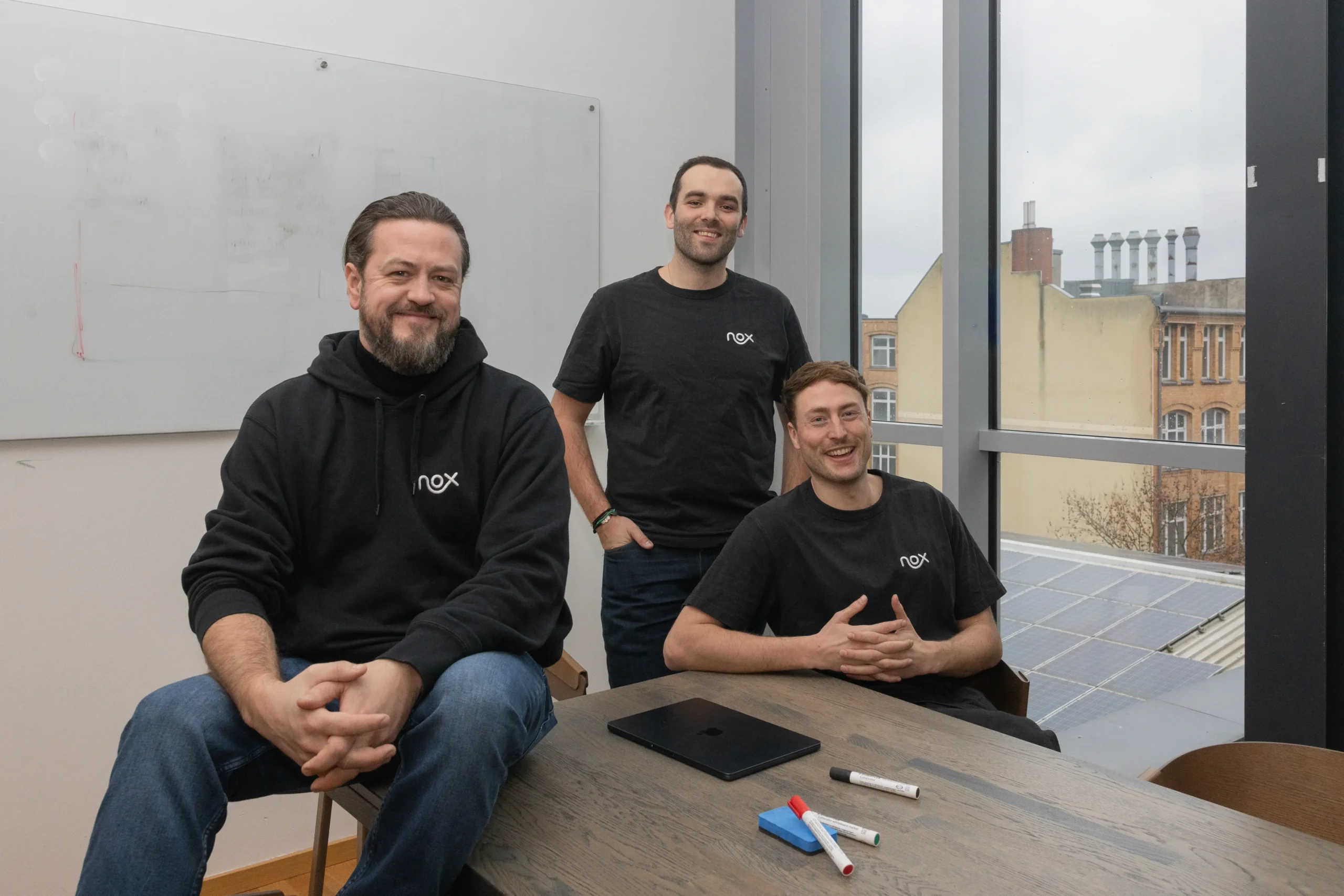
Co-founder Janek Smalla, who co-launched FlixTrain and led Bolt’s German ridesharing business until 2024, brings operational expertise that matters here. Running profitable night trains at airline-comparable prices requires supply chain discipline and yield management that legacy rail operators haven’t prioritized.
The Team Behind the Vision Just Got Stronger:
In January 2026, Nox added crucial financial and strategic firepower with FinTech and mobility veteran Artur Hasselbach joining as CFO and Co-Founder. Hasselbach co-founded payment FinTech orderbird in 2011, later acquired by Nexi for over €140 million.
That combination – payment systems expertise, venture capital networks, mobility operations, and growth-stage company building – addresses Nox’s biggest execution challenges. Night trains require complex financing structures, regulatory navigation across multiple countries, and operational coordination that traditional rail companies struggle with. “Building a night train company means navigating complex financing, regulations, and operations all at once,” says Smalla. “With Artur, we’ve closed the last gap in our founding team.”
The Sustainable Long-Distance Travel Case:
Night trains produce roughly 10-20x less CO2 per passenger-kilometer than short-haul flights. But environmental benefits alone haven’t been enough to drive adoption when tickets cost more and the experience is worse.
Nox is betting that sustainability becomes compelling once you solve for price and privacy. A Paris-to-Berlin overnight journey that costs the same as a flight, saves a hotel night, and gives you private space to sleep or work changes the decision tree entirely.
The timing works too. European regulations are tightening around short-haul aviation emissions, several countries have banned domestic flights on routes where train alternatives exist under 6 hours, and cross-border rail infrastructure is actually improving after decades of underinvestment.
What’s Actually Happening Now:
Nox has reserved train coaches and is finalizing interior design approvals with European rail authorities. The company is preparing a financing round for autumn 2025 with commercial operations planned for 2027.
You can already explore their timetables, room designs, and pricing on noxmobility.com. The “Early Bird Club” gives free access to updates, discounted rates, and priority booking when tickets go live.
This is still early-stage – execution risk is real when you’re reinventing infrastructure-heavy businesses. But the approach is smart: focus on privacy as the differentiator, use better space utilization to hit airline pricing, and apply modern operations thinking to an industry that desperately needs it.
What to Watch Next:
If Nox delivers on pricing and experience, European overnight trains could finally compete for the business travel and regular leisure segments they’ve been locked out of for decades.
For founders and operators: Watch how they balance standardization with route-specific optimization. The playbook for running efficient, affordable overnight train travel Europe hasn’t been written yet – but it borrows heavily from low-cost aviation and bus networks.
For travelers: The combination of privacy, sustainability, and competitive pricing could make overnight trains practical for trips you currently fly. Berlin to Paris, Vienna to Venice, Barcelona to Rome – these become productive overnight journeys instead of lost days or airport hassles.
For the industry: If the model works, expect copycats and increased competition that should drive quality up and prices down across European night train networks.
The big opportunity isn’t just better trains. It’s reconnecting European cities through sustainable long-distance travel that actually fits how people work and move today. Nox is building toward that – and the next 18 months will show whether the execution matches the vision.