
Nothing has been moving fast in 2026. The London based consumer electronics brand launched its Phone (4a) series on 5 March, opened its first retail store in India, and its CEO Carl Pei has been talking publicly about a future where apps simply disappear. For buyers watching the mid-range Android market, Nothing is a brand worth paying attention to right now.
The company raised $200 million in a Series C funding round at a $1.3 billion valuation, led by Tiger Global, bringing its total raised to $450 million. That funding is now showing up across product lines, retail expansion, and a clearer AI direction.
Two New Phones Launch:
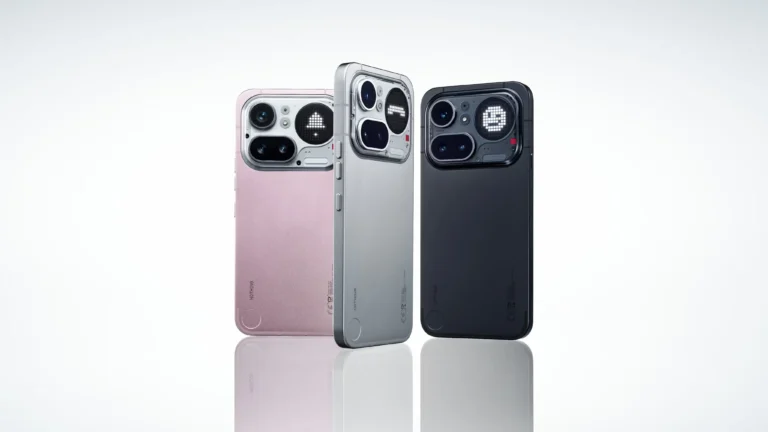
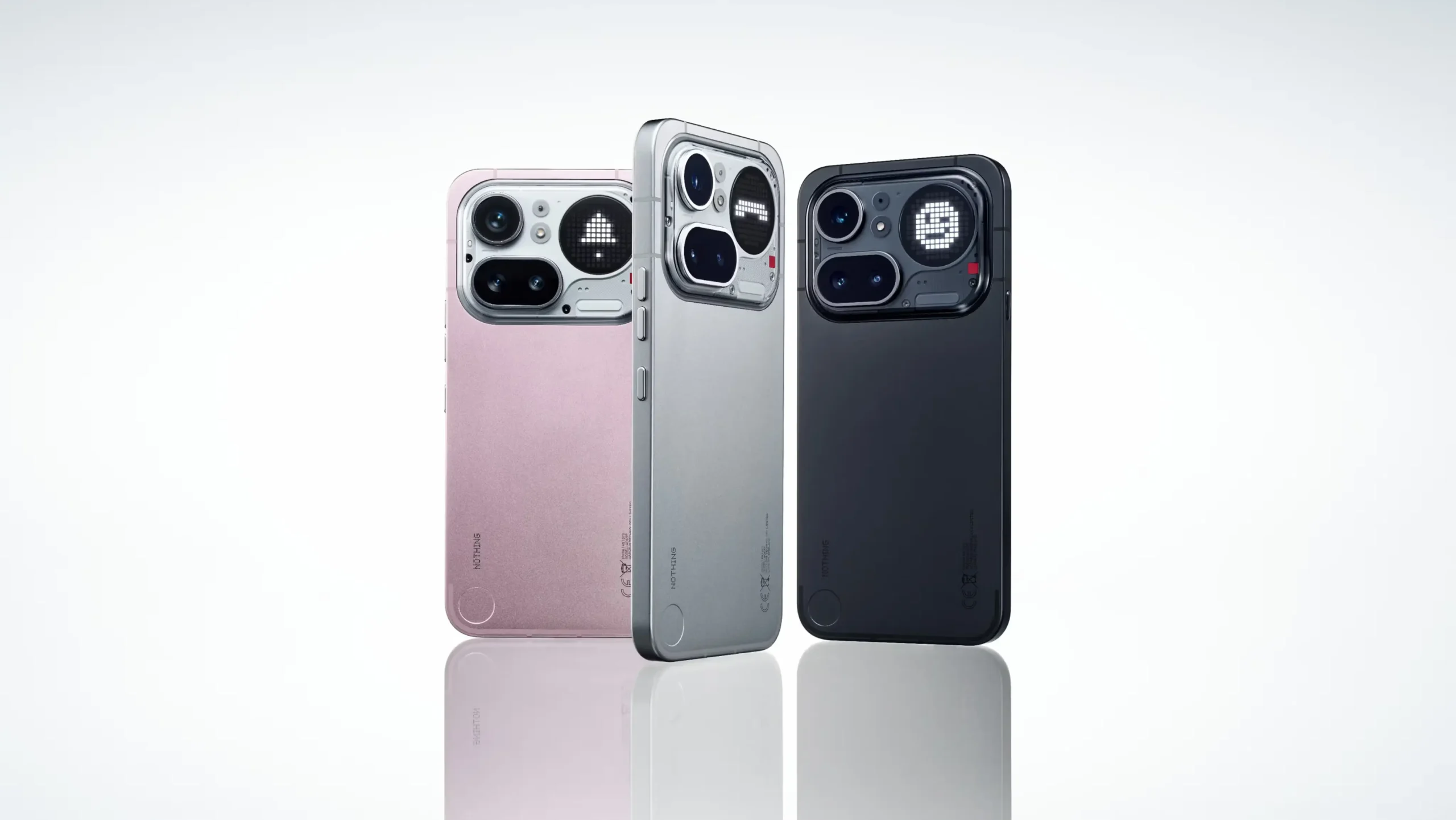
Nothing launched the Phone (4a) and Phone (4a) Pro on 5 March, with the standard model available from 13 March and the Pro going on sale from 27 March.
The Phone (4a) starts at £349 and the Pro at £499, both representing slight price increases over their predecessors. The difference in hardware between the two is meaningful. The Pro carries a metal unibody build at 7.95mm thick, IP68 water resistance, a triple 50MP camera system including a Sony LYT700c main sensor and a 3.5x periscope telephoto, and supports 4K Ultra XDR video with Dolby Vision.
Both phones ship with Android 16 out of the box and Nothing OS 4.1, with six years of security updates included. That update commitment is a meaningful improvement for buyers concerned about long-term software support.
The design language has also shifted. The standard Phone (4a) uses a new Glyph Bar with 63 mini-LEDs, while the Pro carries the Glyph Matrix from the Phone (3), featuring 137 LEDs with support for Glyph Toys. The Glyph system, if you are new to Nothing, is a programmable LED interface on the back panel used for visual notifications and customization. You can read more about Nothing’s Glyph feature history in our [Nothing Phone buyer’s guide].
The Phone (4a) Pro is also coming to the US for the first time, priced at $499 for the 8GB/128GB model and $599 for 12GB/256GB, sold on Amazon. The standard Phone (4a) is not getting a US release, which limits access for buyers in that market.
Headphone (a) for $199:
Alongside the phones, Nothing launched the Headphone (a), priced at $199, available in Pink, White, Black, and Yellow. It sits $100 below the original Headphone (1) in price. The Headphone (a) offers up to 135 hours of playback on a single charge and includes physical controls including a roller wheel, paddle, and button. The Yellow colorway is a limited edition, with availability from 6 April.
For buyers who found the Headphone (1) at $299 hard to justify, this lower entry point with similar physical controls makes the Headphone (a) worth considering. You can compare both models in our [Nothing audio product roundup].
India Expansion and Retail:
Nothing opened its first retail store outside London in Bengaluru, India, featuring products from both Nothing and its budget sub-brand CMF, with an in-store production line experience and hardware testing displays.
India is Nothing’s strongest individual market. IDC data showed Nothing held over 2% smartphone market share in India, with 85% growth in shipments year over year in Q2 2025, making it the fastest-growing brand in the country at that time. The Bengaluru store, combined with further planned locations in Tokyo and New York, reflects where the company is directing its physical retail energy.
Carl Pei on AI and the Future of Phones:
At SXSW in March 2026, Carl Pei said that apps will eventually disappear, replaced by AI agents that understand user intent and act on their behalf without requiring manual navigation through multiple apps.
Nothing’s own operating system already allows users to build mini apps using natural language prompts, a feature the company calls Essential Apps. The broader vision is a device that knows you well enough to act on your intentions without you directing each step.
Pei has also flagged that 2026 is shaping up as an unusual year for smartphone pricing, noting that memory costs have already risen significantly due to AI data centres competing for the same components as phone manufacturers. This is a real factor affecting the whole Android market, not just Nothing, and it explains why even the (4a) series costs slightly more than its predecessors.
Who the Phone (4a) Is For:
The standard Phone (4a) at £349 with a 6.78-inch 1.5K AMOLED display, triple 50MP cameras, Android 16, and six years of security updates is a well-specified mid-range device. The Pro at £499, with its metal build, periscope zoom, and IP68 rating, targets buyers who want a more complete feature set without crossing into flagship pricing.
Nothing as a brand appeals to buyers who value distinct design, a cleaner software experience than many Android alternatives, and a company building toward something specific in AI. The 2026 lineup delivers on those points at prices that stay below the flagship tier.
Stay ahead of the curve, explore our full Gadgets coverage.