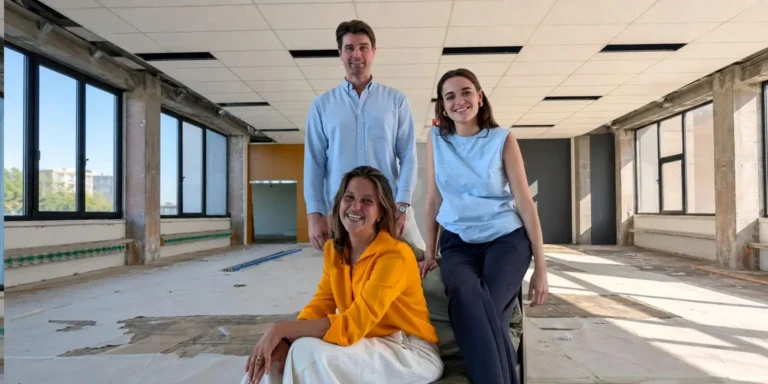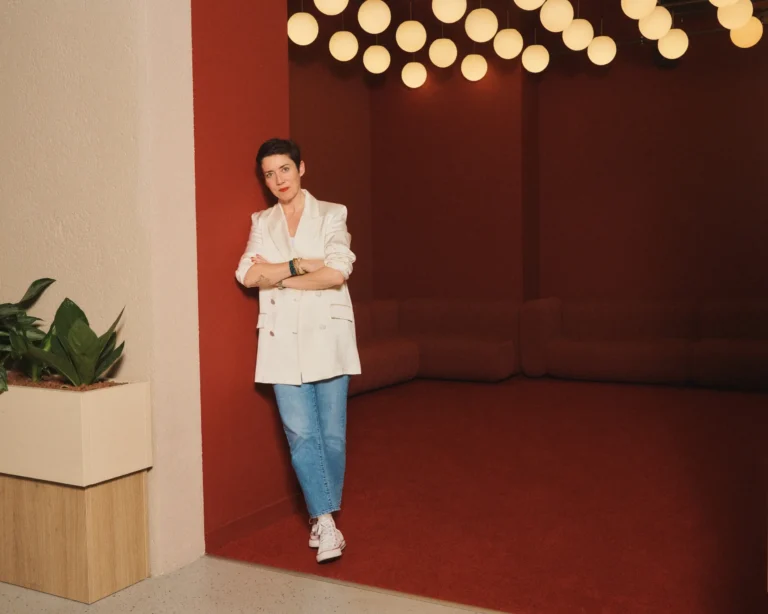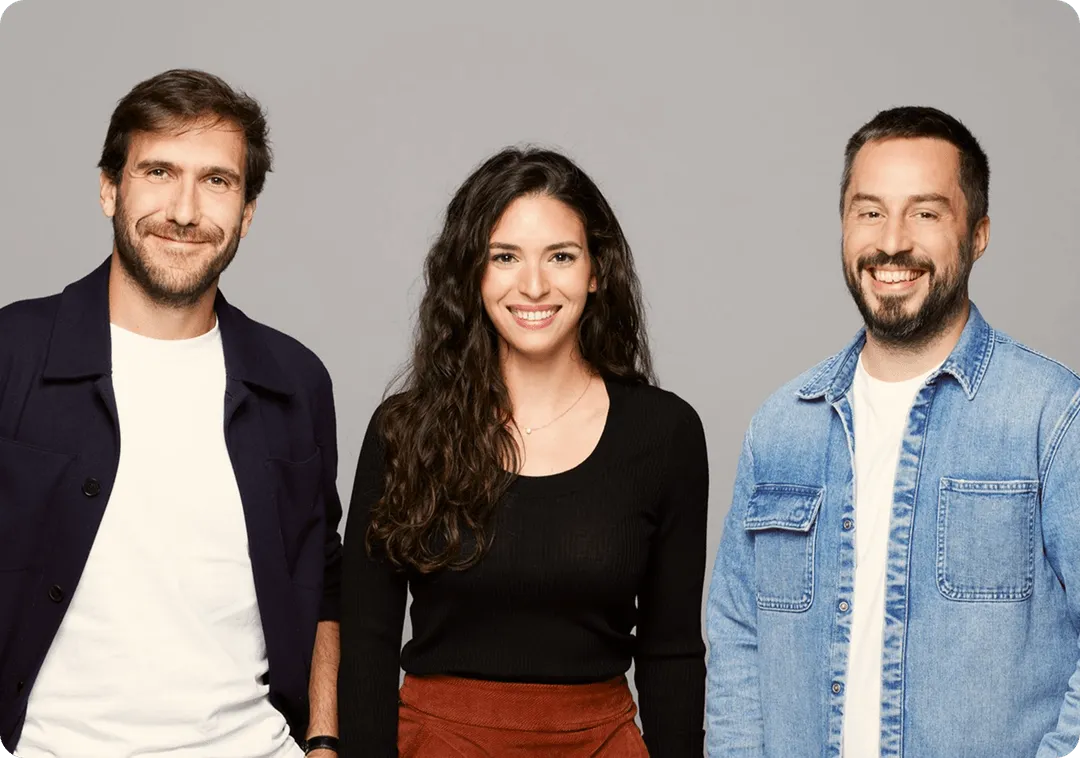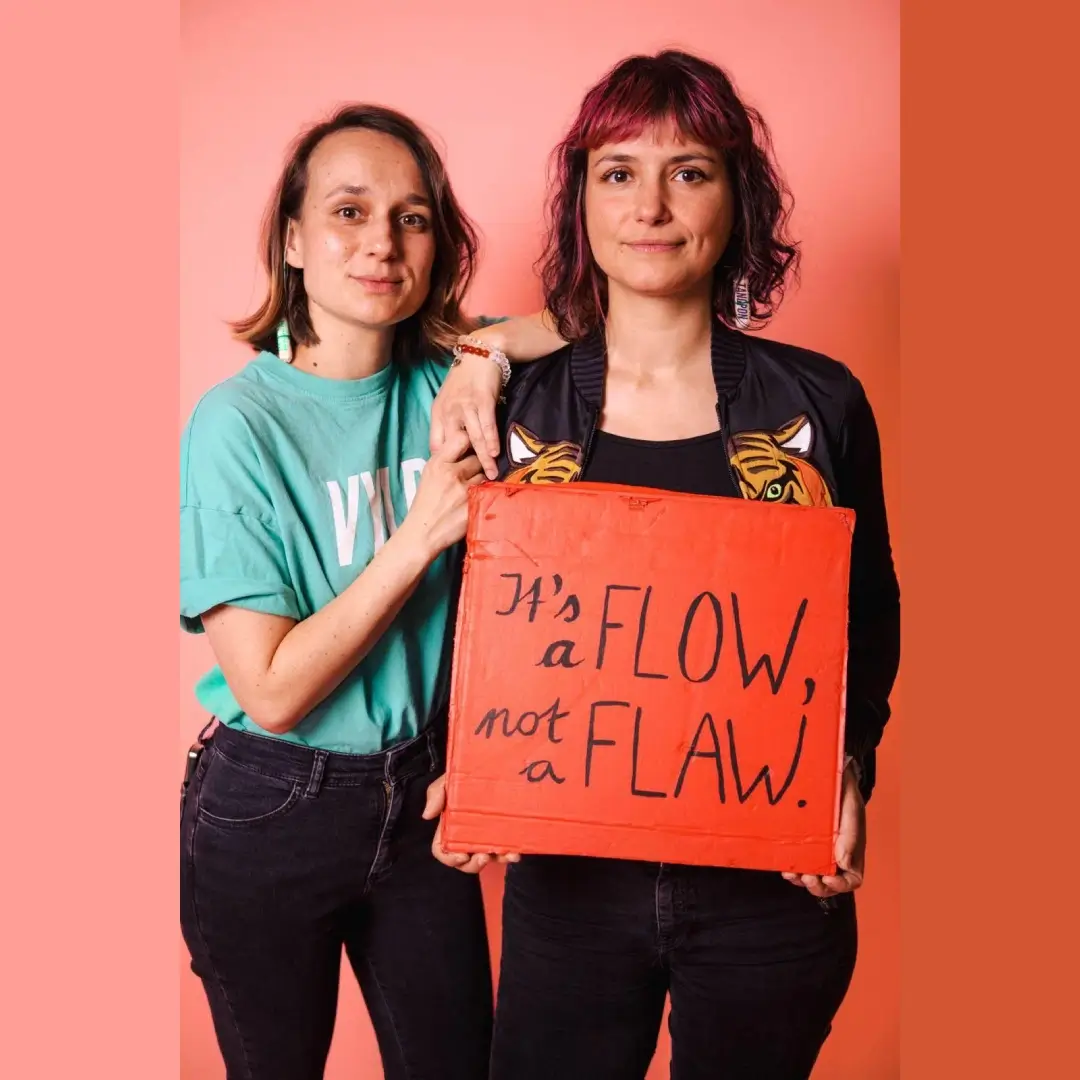
Ines Schiller, founder of Berlin-based VYLD, and co-founder Melanie Schichan, are tackling one of the most overlooked sustainability problems in consumer health: period products. Together, They are developing the world’s first tampon made from seaweed, built on their seaweed based material, Kelpon. Their work sits at the intersection of BioTech, women’s health, and circular material science.
VYLD launched the Kelpon in Germany in early 2025, primarily through a B2B model, supplying organisations and companies rather than selling directly to consumers. The product is made from seaweed biopolymers combined with cotton fibres, processed using methods similar to those used in conventional tampon manufacturing. It’s biodegradable, marine degradable, and designed to work without a plastic applicator, because seaweed fibres are naturally slick.
Two Founders, Two Roles:
Ines Schiller is CEO. Before starting VYLD, she studied philosophy and neuroscience and ran her own film production business. After completing marine guide training in South Africa, she became fascinated with seaweed and combined that passion with gender equality to develop an ocean-friendly period product.
Melanie Schichan is co-founder and handles operations at VYLD. Her background in business administration and gender studies complements Schiller’s scientific and entrepreneurial range. The two have known each other and worked together for over a decade, and co-founded VYLD in 2021.
The Product in Practice:
The Kelpon uses biopolymers from European seaweed and has been patented. VYLD is backed by the EU’s BlueInvest initiative. Before the market launch, the product was beta-tested by approximately 100 women and passed all required safety and quality assessments.
Seaweed’s natural properties mean the Kelpon doesn’t require a plastic applicator. Cotton tends to dry out, but seaweed fibres remain slick, which makes insertion easier. Melanie Schichan has been directly involved in shaping how the raw material was processed into a functional, certified period product.
Why This Category Matters:
90% of all period products are single-use, and plastic comprises 90% of the content in disposable pads. These products are not biodegradable and can take hundreds of years to decompose. Around 71% of menstruating women use disposable tampons, according to German market research firm Forsa Institute.
Seaweed grows without fertilizer, pesticides, or fresh water, and contributes to ocean habitat restoration. VYLD aligns its work with 8 of the 17 UN Sustainable Development Goals. Their longer product pipeline also includes seaweed-based diapers, targeting another high-waste category. The broader vision is what they call the Algaeverse: a portfolio of circular products built on seaweed as a non-food raw material.
The Financing Model:
Ines Schiller also designed VYLD’s funding structure. Instead of conventional venture capital, VYLD uses the Future Profit Partnership Agreement (FPPA), a self-developed mezzanine instrument combining elements of equity and debt capital, which enables appropriate returns for investors while keeping VYLD independent.
The company positions itself as a responsibly owned, profit-for-purpose company prioritising long-term sustainability over exit strategies. Investors receive returns through profit sharing rather than company ownership, and once that return is reached, the arrangement closes. The seven-figure seed round, which closed in early 2024, included contributions from the German government and the EU alongside the FPPA mechanism.
Execution and Recognition:
Ines Schiller brought her background as a serial social entrepreneur to VYLD. She was previously involved in ventures including MeinGrundeinkommen and CellAg Germany. Melanie Schichan’s operational focus ensured the Kelpon moved from concept through beta testing to a certified, publicly available product.
VYLD has been featured by the European Commission’s EU4Algae platform, Nonwovens Industry, ImpactAlpha, and the German federal government’s bioeconomy programme. The company went from founding to market launch in under four years, with a patented product and both B2B and B2C offerings in development. Ines Schiller and Melanie Schichan represent what focused execution in a hard, material-science-heavy vertical looks like. Their work on sustainable period products and seaweed-based BioTech is a strong reference point for women building in DeepTech and materials innovation.