It rarely begins with something dramatic.
A little fatigue. Frequent thirst. Maybe blurred vision that’s easy to dismiss after a long day. For millions of people around the world, this is how diabetes first enters their lives, not as a headline, but as a slow, persistent disruption. Over time, however, it becomes a condition that demands daily attention, shaping routines, choices, and long-term health.
Today, diabetes is no longer just an individual concern; it is a global health reality. More than 589 million adults are currently living with the condition worldwide, a number that continues to rise at an alarming pace, according to the International Diabetes Federation (IDF). The highest burden is seen in countries like China, India, the United States, Pakistan, and Indonesia.
This scale makes diabetes fundamentally different from many other chronic conditions. It is not episodic or short-term. It requires continuous management, repeated interventions, and lifelong engagement. In HealthCare economics, conditions that demand constant interaction naturally evolve into large, sustained markets.
That is the crux of diabetes. It is not a condition managed occasionally. It is one lived with continuously.
Monitoring Blood glucose levels is the key and it fluctuate throughout the day, influenced by meals, medication, physical activity, stress, and even sleep. Historically, management relied heavily on insulin delivered through syringes. While effective, this approach often came with challenges around comfort, convenience, and long-term adherence. Over time, treatment strategies evolved to become more flexible and patient-friendly.
Advancements in treatment have quietly reshaped the experience of people with diabetes. Management is no longer limited to rigid daily injections. Once-daily therapies such as Victoza, along with long-acting insulins like Lantus and Toujeo, provide more stable glucose control. Meanwhile, once-weekly injectable GLP-1 therapies like Ozempic and Wegovy reduce treatment burden and improve convenience. The introduction of oral GLP-1 therapy such as Rybelsus further expands accessibility.
These advancements may seem incremental, but they represent something meaningful, fewer disruptions, better adherence, and a more manageable lifestyle. Yet even as treatment improves, it does not eliminate the need for constant awareness. Diabetes is not managed by therapy alone, but through real-time understanding of what is happening inside the body.
Without proper control, fluctuations in blood glucose can lead to serious complications, including heart disease, kidney damage, nerve issues, and vision loss. For decades, people relied on intermittent finger-prick tests that provided only limited snapshots of their condition.
This gap between lived experience and measurable data set the stage for a major shift in care i.e., to monitor blood glucose levels.
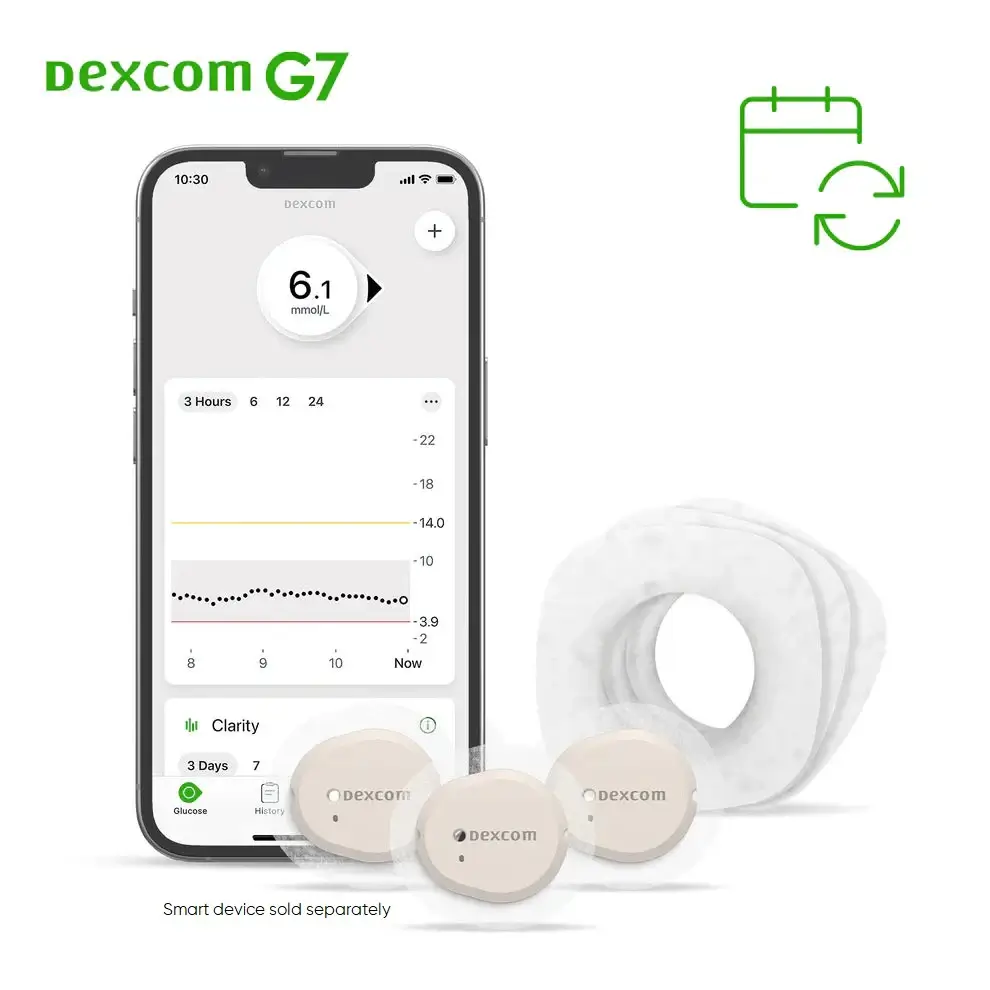
Over the past decade, monitoring has moved from occasional to continuous. This is where technology and HealthCare began to converge into a powerful partnership. What once depended on a few daily readings is now evolving into real-time visibility. Technologies such as continuous glucose monitoring systems, developed by companies like Dexcom, allow people with diabetes to track glucose levels throughout the day with far greater accuracy and ease. Devices like Dexcom G6 and G7 provide continuous insights, replacing fragmented testing with a more complete understanding of the condition.
This marks a clear shift from isolated readings to continuous tracking of trends and patterns. Similar advancements from companies like Abbott Laboratories, with devices such as FreeStyle Libre, highlight how the industry is moving toward more accessible and user-friendly solutions.
The impact goes beyond convenience. Continuous monitoring changes behavior. It helps people understand how their bodies respond to food, activity, and stress, turning data into actionable decisions. Instead of reacting after something goes wrong, they can act before it does.
This shift from reactive to proactive care is one of the most important transformations in diabetes management.
At the same time, data is becoming as important as treatment itself. Connected devices, mobile apps, and analytics are creating a more complete picture of the diabetes journey, helping guide decisions and improve outcomes.
Care is also moving closer to the individual. What once required frequent clinic visits can now be managed at home through integrated technologies, offering greater independence and confidence.
When viewed together, these changes point to something larger than incremental innovation. They signal the emergence of a new HealthCare economy built around chronic disease management, real-time data, and continuous engagement.
The broader HealthTech market is already valued in the hundreds of billions of dollars, driven by rapid adoption of digital tools, wearables, and connected care systems. Within this ecosystem, diabetes stands out as one of the most structurally powerful segments.
Unlike many areas of HealthCare, diabetes does not rely on isolated interventions. It requires ongoing interaction. Every day involves monitoring, medication, and decision-making.
This creates a fundamentally strong market dynamic. A growing global population combined with lifelong management needs ensures continuous engagement. As connected devices become more integrated, each interaction generates valuable data, reinforcing both clinical and commercial value.
For startups and innovators, this makes diabetes one of the most promising segments to build in. Compared to more saturated sectors like fintech or consumer apps, it still offers significant room for growth, particularly at the intersection of hardware, software, and real-time data.
For medical device companies, the opportunity lies in moving beyond standalone products toward connected ecosystems. From continuous glucose monitors to smart wearables and integrated platforms, intelligent devices are only beginning to expand their role in care.
This convergence of treatment innovation, continuous monitoring, and DigitalHealth infrastructure is what is driving diabetes tech toward becoming a multi-billion-dollar segment within the broader HealthTech economy.
For millions of people, diabetes is a daily reality shaped by small, consistent decisions. Technology does not remove that responsibility, but it changes how those decisions are made. It replaces uncertainty with insight, complexity with simplicity, and hesitation with confidence.
As this space continues to evolve, the question is no longer whether diabetes tech will grow, but how far it can go in reshaping not just disease management, but the future of HealthCare itself.