

Companies are losing money to physical climate risks they can not see clearly. A flood that shuts down a warehouse, heat stress on a supply chain node, or soil erosion at a production site, these are real operational events. The problem is that most enterprise risk management tools handle them with abstract probabilities rather than site level data. That is exactly the gap refinq is built to close. The Vienna-based Climate Risk Software positions itself as an Enterprise Risk Management (ERM) platform for nature, and in February 2026 it closed a seed round to push that vision further.
€2.2 Million, Strategic Backers:
refinq closed a seed financing round of €2.2 million. The round consists of 1.9 million euros in equity and a 300,000 euro grant from the Austrian Research Promotion Agency (FFG). Lead investor is aws Gründungsfonds, with Symbia VC as co-lead. Fund F and business angel Olivier Schwab also participated.
This is not refinq’s first grant either. The company had already received a 480,000 euro FFG grant in 2024. That earlier support helped them build and validate the platform before approaching equity investors. The combination of grant funding alongside institutional venture capital is a practical approach for DeepTech startups in Europe that need time to develop scientifically rigorous methodologies before scaling commercially.
What refinq Actually Does:
refinq describes itself as the ERM for nature. That framing is deliberate. It is not a sustainability reporting tool or a carbon accounting dashboard. It is a platform designed to turn raw climate and biodiversity data into financial and operational decisions at the asset level.
The platform combines high resolution geodata with proprietary information on the structural vulnerability of specific locations. This transforms environmental and climate factors into concrete, quantifiable risks that can be prioritized, compared and actively managed. You upload asset locations via CSV or API, and the platform enriches each point with climate scenarios and biodiversity layers, producing site level risk scores, financial exposure estimates, and prioritized mitigation actions.
The output is designed to reach the boardroom. refinq surfaces a site risk score, top drivers, and adaptation plans on one page. Teams can toggle between scenarios, run what if analyses on mitigation measures, and export audit ready evidence for compliance frameworks including CSRD, EU Taxonomy, and TNFD.
Clients and Traction:
refinq is not at the concept stage. The approach is already in use with customers such as Wiener Stadtwerke, thyssenkrupp, and Mayr-Melnhof. These are established industrial and infrastructure companies, not early adopters experimenting with a pilot. The company’s website also lists Johnson and Johnson MedTech, Gebrüder Weiss, Wien Energie, Orion Engineered Carbons, and others among organizations leveraging the platform.
The company already records significant revenues with established clients from different sectors. That is a meaningful data point at the seed stage. It means the product is live, paying customers are using it, and the funding is going toward scale rather than initial product development.
Why This Market Matters Now:
Physical climate risk disclosure is becoming a regulatory requirement across Europe. CSRD mandates that large companies report on how climate and nature related risks affect their business, including at the asset level. EU Taxonomy alignment requires evidence of climate adaptation. TNFD frameworks push companies to account for nature dependencies and impacts.
Most companies that need to comply with these frameworks are building their reporting processes from scratch. They need tools that go beyond spreadsheets and provide defensible, auditable data. refinq fits directly into that procurement conversation. For operators managing hundreds of physical sites or complex supply chains, the ability to map and quantify nature risk across an entire portfolio, then export that data in a format auditors can follow, addresses a concrete operational need.
The platform goes beyond individual assets: customers analyze thousands of locations along entire value chains to systematically build resilience. That scalability is what makes it relevant for enterprise procurement rather than one off consulting engagements.
The Team Behind It:
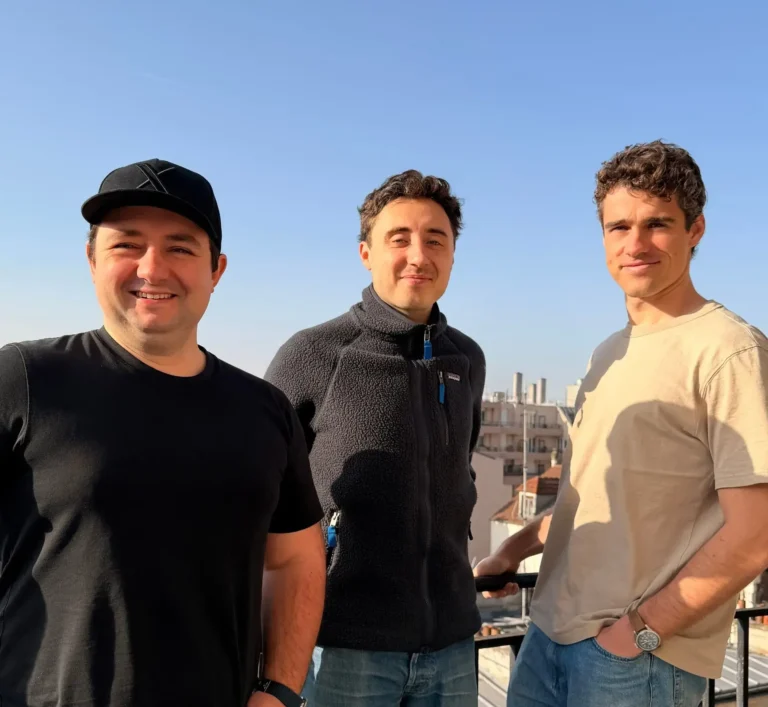
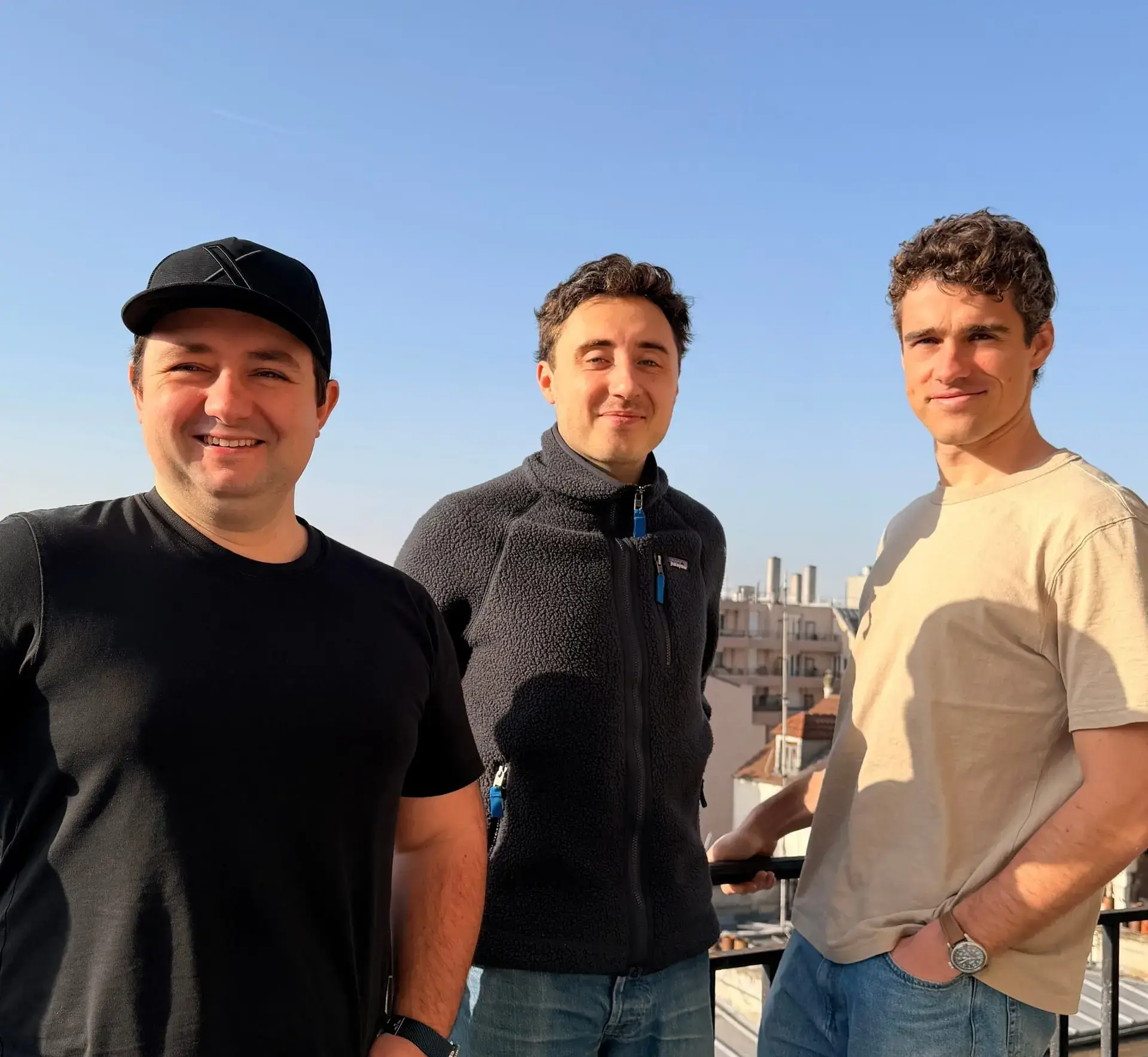
The founding team consists of Lukas Fischer, Franziska Walde, and Markus Berger. The platform’s methodology transparency, which includes openly explained metric values, documented data provenance, and versioned models, suggests a team with both scientific depth and product discipline.
Aws Gründungsfonds, which manages around 140 million euros and has invested in more than 45 startups since 2013, highlighted the operational depth of the solution as a key reason for its investment. Symbia VC pointed to the clear market need and the team’s execution track record as the primary drivers of conviction.
Takeaways for Founders and Operators:
If you are building in the climate tech or sustainability software space, refinq is worth studying as a product positioning example. They deliberately avoid the sustainability reporting angle and focus instead on operational risk and financial decision making. That framing shortens the procurement conversation because it connects directly to CFO and risk officer priorities rather than CSR budgets.
For enterprise operators managing physical infrastructure, the combination of site level detail, financial quantification, and regulatory documentation that refinq offers represents a practical answer to what is increasingly a compliance and financial planning requirement. You can learn more about how nature and climate risk management tools are evolving by exploring related coverage on enterprise sustainability software and climate risk disclosure platforms.
The seed round gives refinq the resources to expand the platform and bring on more customers across industrial, infrastructure, and capital intensive sectors. Given the regulatory timeline in Europe and the customer roster they have already built, the next 12 to 18 months are a strong window for growth.