
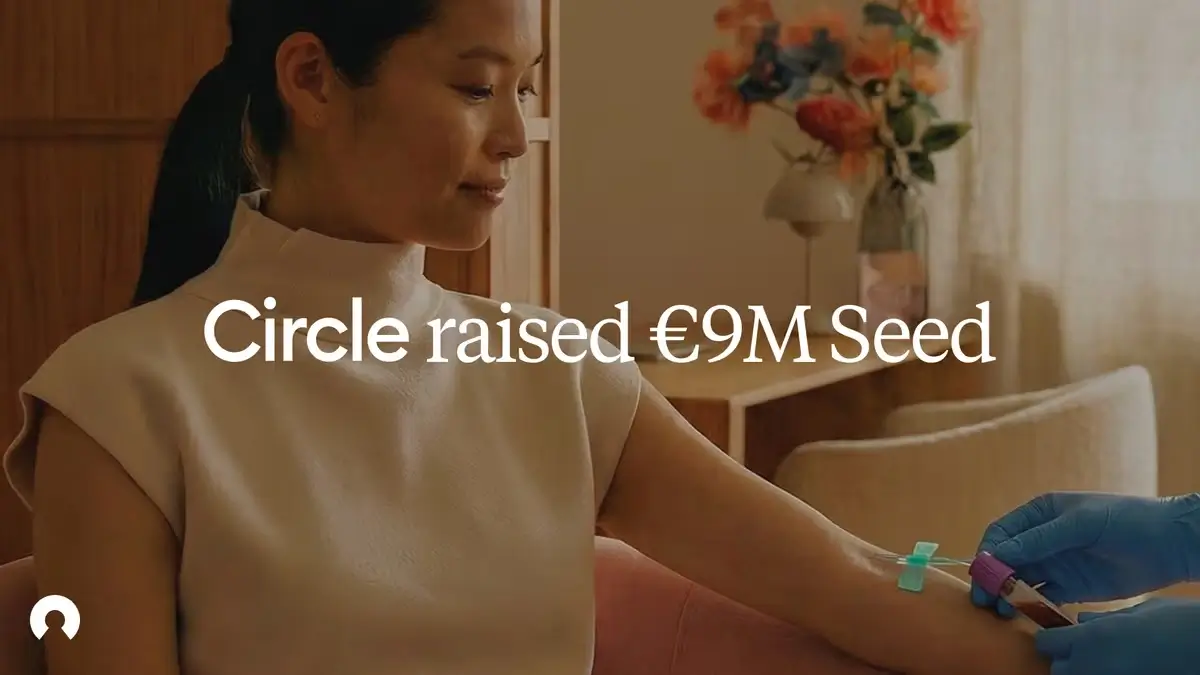
Germany’s healthcare system has a problem. Over 35% of Europeans live with at least one chronic disease, yet most discover their condition only after symptoms appear. Berlin-based Circle Health just secured €9 million in seed funding to fix that gap.
The funding round combines equity and debt financing, led by Atlantic with participation from CRB Health Tech, and Calm/Storm Ventures. Circle Health will use the capital to expand its hybrid clinic model beyond Berlin and Munich to Düsseldorf and Hamburg, with more cities planned through 2026.
The HealthCare Gap:
Traditional healthcare systems treat acute episodes. They’re not designed for proactive health management.
Circle Health is building what it calls “Circle OS” – a platform that combines in-person diagnostics, AI-enabled clinical support, and digital health tools. The system aggregates data from wearables, lab tests, and patient records to deliver personalized preventive care programs.
Since opening its Berlin clinic in 2023, the company has treated over 7,000 patients. Its Net Promoter Score exceeds 90, suggesting strong patient satisfaction and word-of-mouth growth.
Why This Matters Now:
The European preventive healthcare market is expected to reach €19 billion by 2030, growing at roughly 25% annually. That growth isn’t hype – it’s driven by real pressure on healthcare systems.
Germany already spends €6,414 per person on healthcare, the highest in the EU. With the over-65 population projected to hit one-third of residents by 2050, the current reactive model isn’t sustainable.
Chronic disease management is shifting from hospitals to hybrid models that mix physical clinics with digital monitoring. Companies that solve this early – when prevention is still possible – capture patients before they enter expensive acute care cycles.
What Circle Health Built
The platform isn’t just a clinic with an app. It’s an integrated system:
- Physical locations in Berlin and Munich (with Düsseldorf and Hamburg coming)
- Advanced diagnostics and functional medicine
- AI-powered clinical support for therapists
- Continuous digital monitoring tools
- Personalized care programs for cardiovascular health, metabolic conditions, and chronic disease prevention
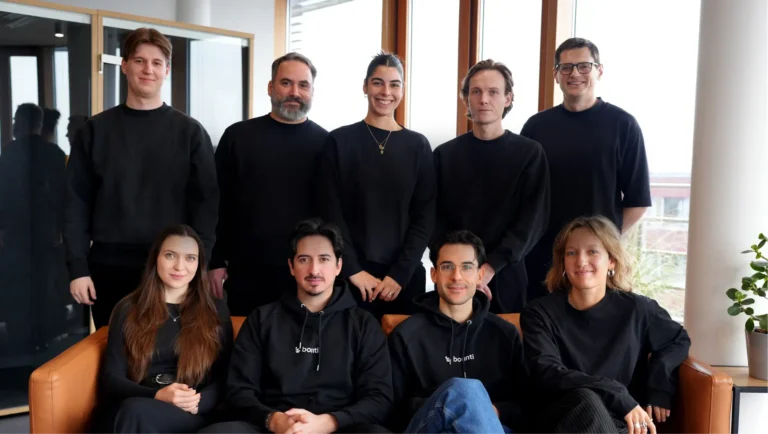
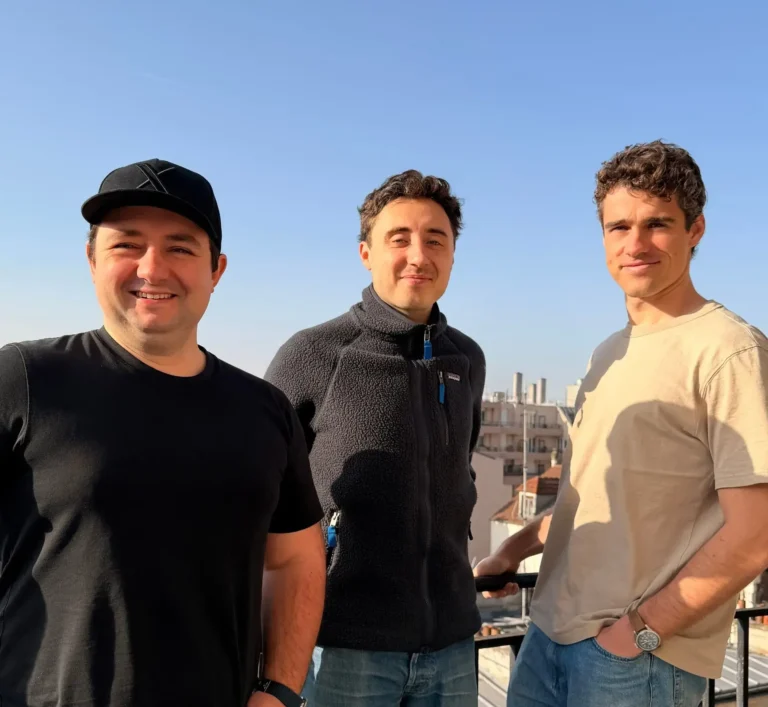
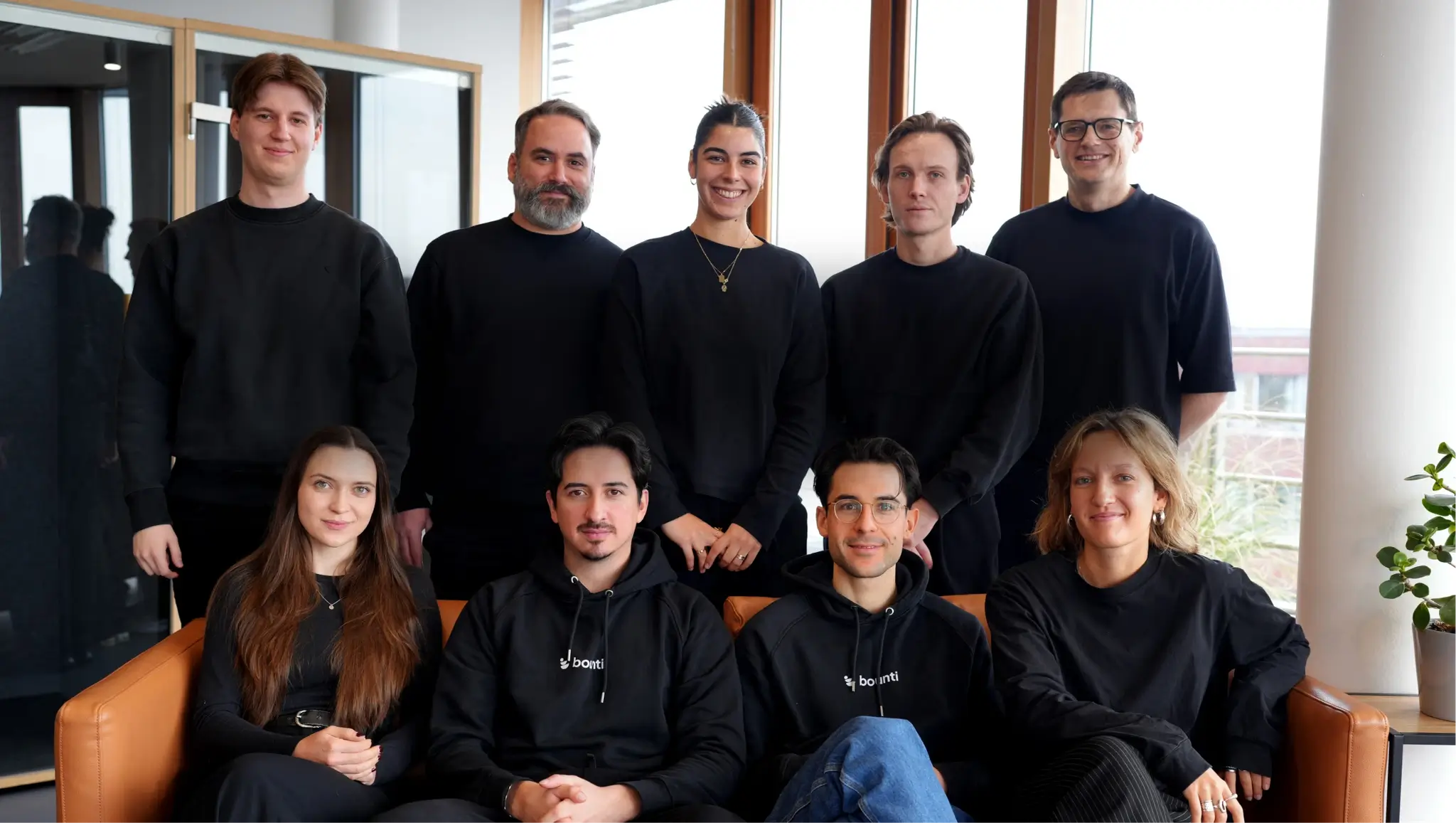
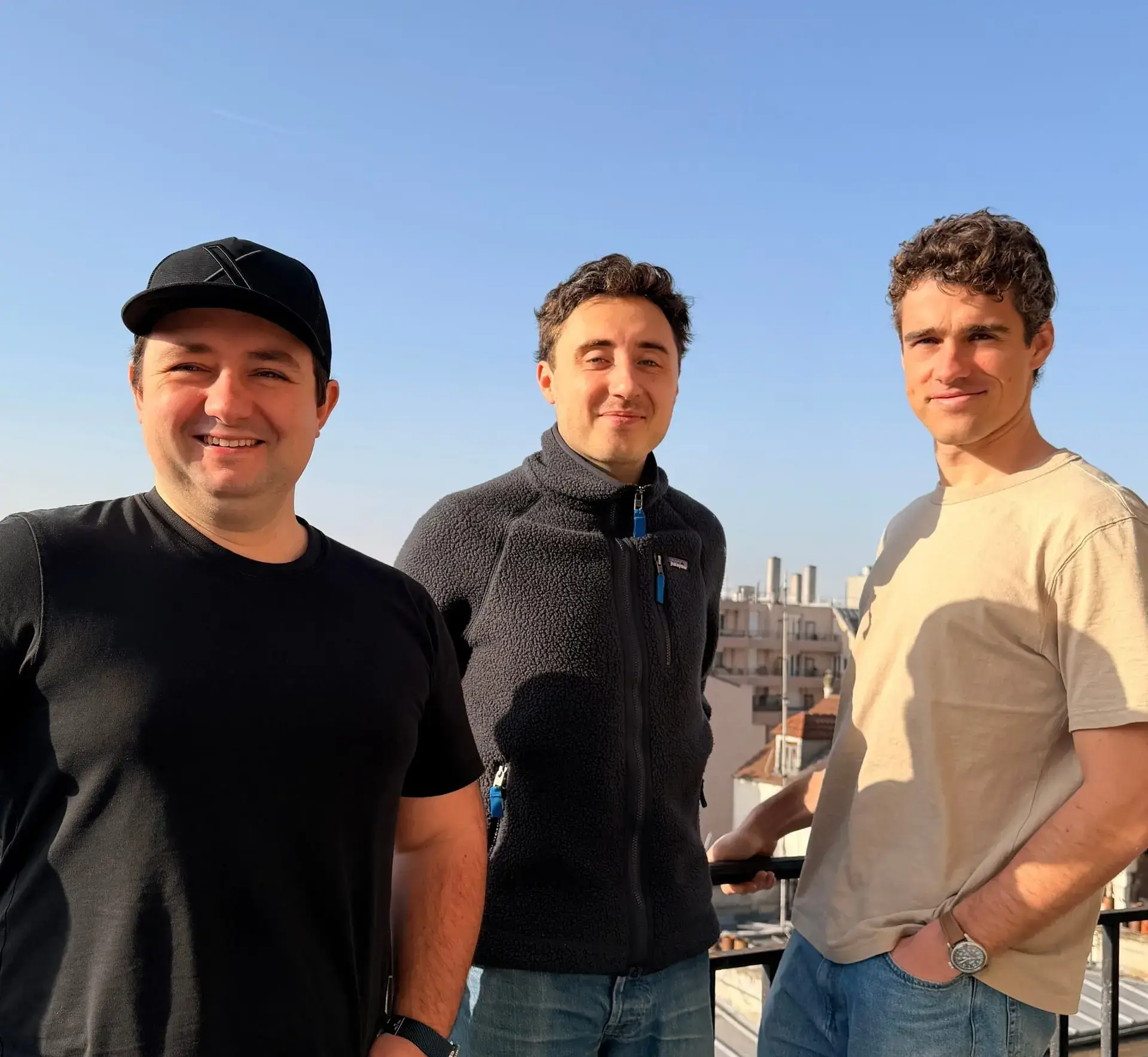
Founders Peter Malmqvist (CEO) and Jannik Tiedemann (COO) started the company in 2022. They’re betting that proactive health isn’t a luxury service – it’s what healthcare should be.
The founders said: “We are grateful for the trust and support of our investors as we continue building Circle Health into the leading platform for proactive health in Germany. Most importantly, we thank our patients for trusting us with what matters most, their health.”
Market Position:
Circle Health sits at the intersection of several trends. Concierge medicine in Germany is projected to grow from $1 billion in 2025 to $2.2 billion by 2034, at a 9.12% CAGR. The broader preventive healthcare technologies market is expanding from $19.7 billion in 2025 to $51.6 billion by 2035.
But Circle Health isn’t pure concierge medicine. It’s closer to a scaled preventive platform – think Forward Health meets traditional German healthcare quality standards.
Competitors include traditional concierge practices, digital health platforms, and functional medicine clinics. None have combined physical locations, AI-enabled clinical support, and integrated digital tools at scale in Germany.
What Happens Next:
The funding enables immediate expansion. Circle Health plans to open clinics in Düsseldorf and Hamburg in 2026, with additional cities in development.
The company’s AI-enabled therapist model is designed to help clinicians deliver personalized insights and care recommendations. As they scale, the platform should improve – more patient data means better predictive models and care protocols.
Germany’s statutory health insurance system covers nearly all residents, but it’s showing cracks. Rising contribution rates are pushing high-income workers toward supplemental private coverage. Circle Health is positioned to capture patients frustrated with short consultation times and reactive treatment approaches.