
Industrial wholesale is one of the largest commercial systems on the planet – and it still runs mostly on manual work. That’s the gap Andercore is targeting. The Berlin-based AI industrial trade platform just closed a $40M Series B round on February 11, 2026, bringing its total funding to $75M. For anyone watching where B2B trade infrastructure is heading, this is worth paying attention to.
What Andercore Does:
Andercore buys from international suppliers and sells to local buyers in Europe on its own account. It’s a principal trading model – not a marketplace. That distinction matters, because it means the platform carries real commercial risk and has to optimize every part of the trade cycle to make the numbers work.
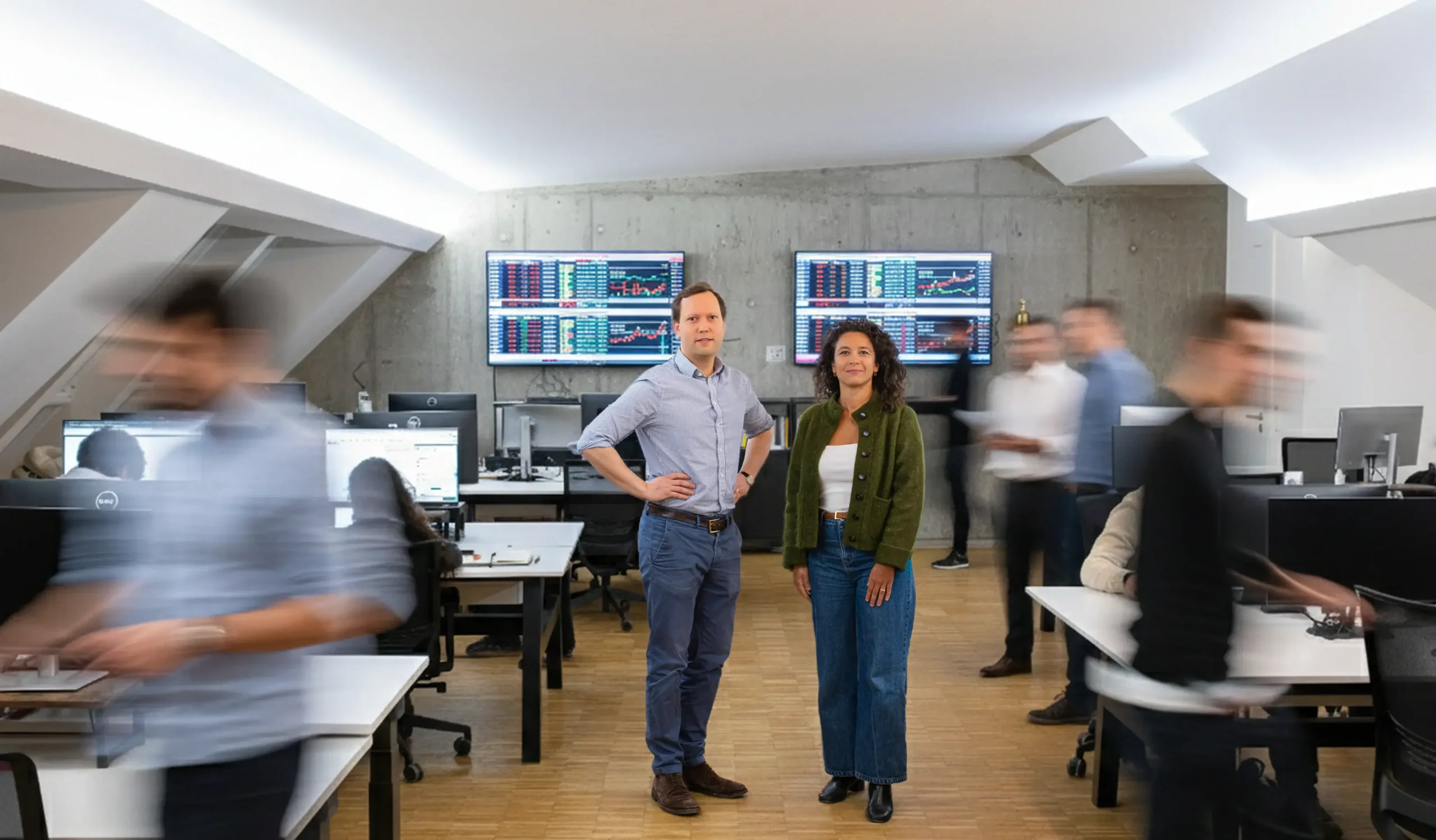
Its AI system manages pricing, quoting, quality assurance, distribution, and embedded financing. The company operates across seven European markets and processes thousands of large-scale transactions every month. That’s not a pilot program. That’s a live, scaled operation.
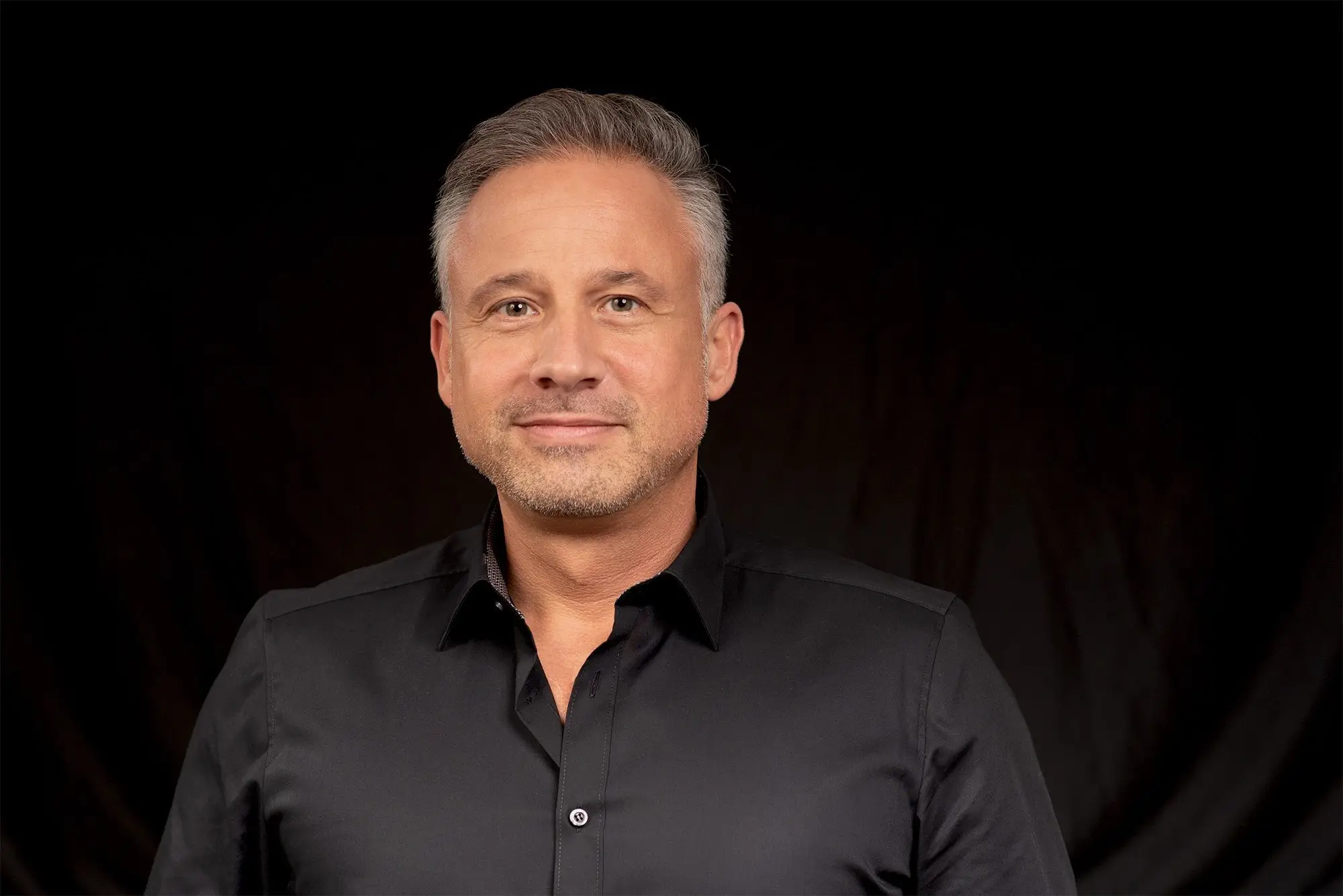
Philipp Andernach, Founder & CEO, said: “At its core, Andercore is AI that moves containers of real products globally. Our system brings prediction, discipline, and speed to supply chains that still rely on manual work. Buyers get faster quotes, better pricing, and frictionless execution across complex industrial categories. Suppliers gain a partner that drives consistent demand, expands their customer base, pays promptly, and handles operational complexity on their behalf. This financing allows us to bring these capabilities to many more markets.”
Why Industrial Trade, Why Now:
The sectors Andercore focuses on – infrastructure, energy, and construction materials – represent over €200 billion in annual demand across Europe alone. These categories have historically been served by fragmented, relationship-driven supply chains. International suppliers often lack direct market access. Buyers deal with slow quotes, inconsistent pricing, and manual coordination across multiple vendors.
One customer, Jean-Marc Levasseur, Director at Hebert Électricité in Normandie, put it plainly: “his team sourced everything for a project in Le Havre from a single supplier via Andercore – fencing, drainage pipes, PV panels, energy storage systems – and saved around 12% compared to their established sources, with fast quotes and on-time delivery.”
That’s a concrete result from a real customer. Not a projection.
The Investors and the Signal:
The round includes equity and debt. Returning investors Atomico and Project A participated again, with Inven Capital joining this round. Institutional debt financing came from Commerzbank and KfW.
Atomico Founding Partner Niklas Zennström said: “Industrial trade and wholesale underpins the real economy, yet much of it still runs on manual processes. Andercore has built the technology, commercial strength, and execution capability to bring speed and scale to cross-border supply – starting where complexity is highest: infrastructure, energy, and construction. We are convinced they are building the next-generation platform for global trade and wholesale.”
Project A General Partner Florian Heinemann added: “Andercore combines deep operational discipline with a technology stack built for scale. Their model proves that AI can reinvent even the most complex INDUSTRIAL SUPPLY CHAIN AUTOMATION when paired with strong commercial execution. We’ve supported the team from the early days and continue to believe they are on track to build a European leader with global relevance.”
The KfW and Commerzbank involvement is notable. These aren’t growth-stage VCs chasing narrative – they’re institutional lenders looking at real cash flows and trade infrastructure. Debt financing alongside equity suggests the model is generating the kind of predictable, asset-backed activity that traditional finance is comfortable with.
The Team Behind It:
Founder and CEO Philipp Andernach comes from a fifth-generation manufacturing and trading family. That’s not a marketing angle – it means the company was built with more than a century of accumulated supply chain and wholesale knowledge informing its product decisions.
The team is 80 people, spread across Europe and Asia, with headquarters in Berlin and offices in India and China. The geographic footprint reflects the cross-border nature of the business: suppliers from Asia, buyers across Europe.
Customers already include Synthos Group, Wolf & Müller, Sotralentz Construction, Phnix, and Strabag.
What the Capital Goes Toward:
Andercore plans to expand into more European markets, deepen its category coverage, and continue building out the AI platform. The longer-term roadmap includes allowing suppliers to sell directly through the system – which would shift the model from principal trading toward a platform layer sitting between supply and demand.
If that plays out, it starts to look less like a trading company and more like critical infrastructure for global industrial supply chains. Worth watching to see if the principal-first approach evolves or scales alongside the platform direction.
What’s Next:
The next 12-18 months will show whether Andercore’s AI system holds up as it enters new markets and categories. Expanding beyond infrastructure, energy, and construction materials means taking on supply chains with different dynamics and margin structures. The embedded financing piece is also worth tracking – that’s where a lot of the complexity (and defensibility) in B2B trade tends to live.
The direct supplier access roadmap is the bigger signal for the industrial supply chain tech space. If Andercore can combine principal trading scale with an open platform layer, the total addressable market gets significantly larger. For now, the $75M raised, the live operations across seven markets, and the institutional debt backing suggest the fundamentals are solid enough to test that ambition.