Crop protection has long relied on chemical insecticides, but the model is under pressure. Pests are building resistance, regulators are tightening restrictions, and biodiversity is declining at a measurable rate. Agriodor, a French AgriTech company founded in 2019, is approaching this problem from a different angle: using the natural scents that plants emit to influence insect behavior. The company closed a €15 million Series A to scale this approach internationally.
The round was led by the Environmental and Solidarity Revolution Fund, managed by Crédit Mutuel Impact. Regional investors Région Sud Investissement and CAAP Création joined alongside existing backers Capagro, Ambra Capital, and SWEN Capital Partners. The funding will go toward expanding Agriodor’s technology platform, strengthening its R&D programs, and rolling out its solutions across Europe, Latin America, and North America.
The Resistance Problem:
More than 1,000 cases of insecticide resistance have been documented in aphids alone, according to a 2023 study published in Insect Biochemistry and Molecular Biology. Whiteflies and thrips are equally problematic. Climate change is accelerating the spread of these pest species, which puts conventional chemical controls under even greater strain.
The biodiversity side of the equation is just as pressing. Research published in PLOS ONE (Hallmann et al., 2017) found that insect biomass has declined by around 70 to 75% in some regions over the past few decades. A separate analysis in Biological Conservation (Sánchez-Bayo and Wyckhuys, 2019) estimated that up to 40% of insect species may be at risk of extinction. Since insects support over 75% of global food crop types according to IPBES (2016), this matters directly to agriculture, not just to ecosystems.
How Agriodor Works:
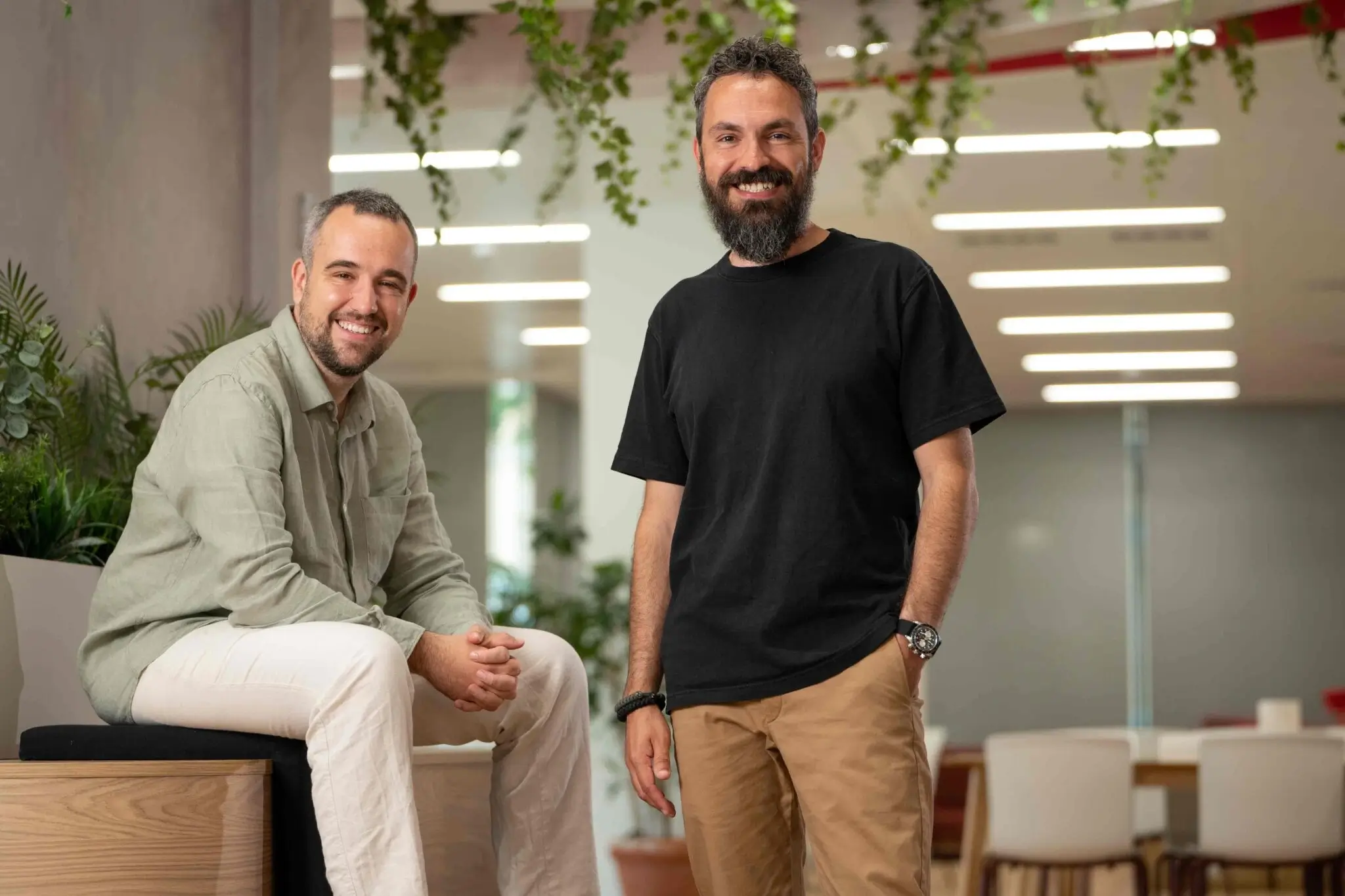
Agriodor, a spin-off of INRAE and co-founded by Alain Thibault and Dr. Ené Leppik, builds crop protection products based on semiochemicals, specifically the scent signals that plants naturally emit. These compounds can attract, repel, or disrupt the behavior of pest insects without leaving chemical residues or harming non-target species.
The company uses high-throughput chemical ecology and reverse chemical ecology to identify and reproduce these plant scents, then formulates them for use across different cropping systems. The result is a product development process that costs up to 10 times less and moves twice as fast compared to conventional insecticide development. That cost and speed advantage also makes it practical to target multiple pest categories rather than a single crop problem.
From Sugar Beets to a Global Portfolio:
Agriodor’s first commercial product targets aphids in sugar beet crops and is distributed exclusively through Syngenta to support French growers managing yellows virus. More significantly, this product represents a worldwide first: the successful deployment of an allomone (a type of semiochemical) in row crops, an application that had not been achieved before at commercial scale.
The company is now expanding into fruit flies, whiteflies, and thrips, which together represent a market exceeding $4 billion. For several of these new areas, Agriodor is pursuing a co-development model with established crop protection companies, which helps accelerate both regulatory approval and commercial adoption.
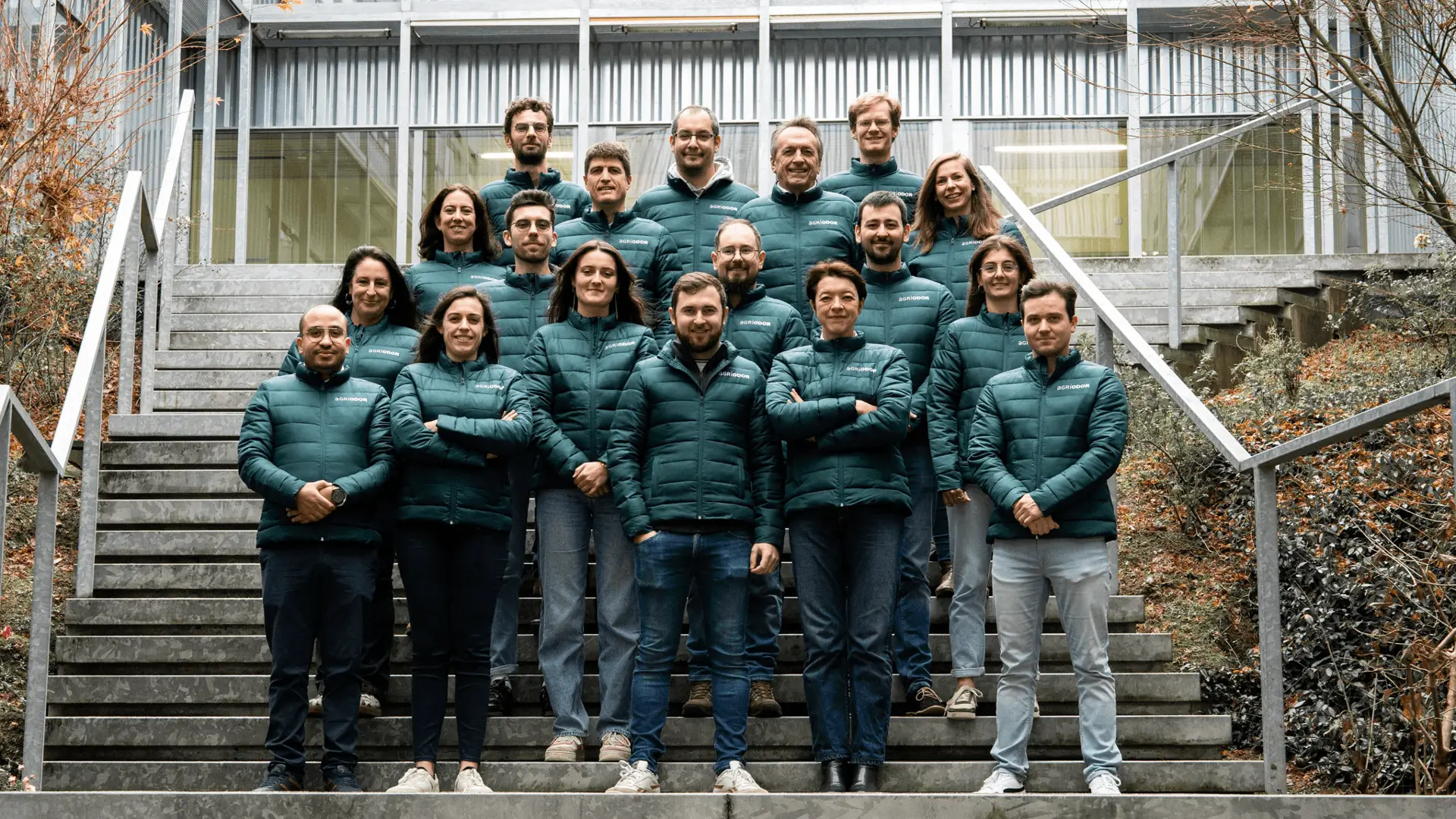
Agriodor holds 8 patents across 3 patent families and has built a team of 42 specialists from 6 nationalities, including 8 PhDs. The company has also established 15 R&D partnerships across Europe, China, and Brazil. Its two laboratories are based in Rennes (headquarters) and Aix-en-Provence, the latter focused on pests specific to the Mediterranean basin.
What the Funding Enables:
The €15 million will allow Agriodor to extend its olfactory biocontrol platform to additional crops and insect families, push its commercial presence into Latin America and North America, and integrate artificial intelligence into its R&D workflows to further accelerate discovery.
For founders and operators in the AgriTech space, Agriodor is a clear example of how IP-backed science, built around a novel mode of action, can open distribution partnerships with major players like Syngenta while maintaining a differentiated technology position. Those interested in sustainable pest management or biocontrol innovation will find the company’s model worth following closely.
Agriodor’s approach shows that sustainable pest management does not have to mean lower performance. By working with insect biology rather than against it, the company is building a scalable, residue-free alternative at a moment when the agricultural sector genuinely needs one.