Berlin’s coffee scene has a new problem – and it’s selling cappuccinos for €2.50.
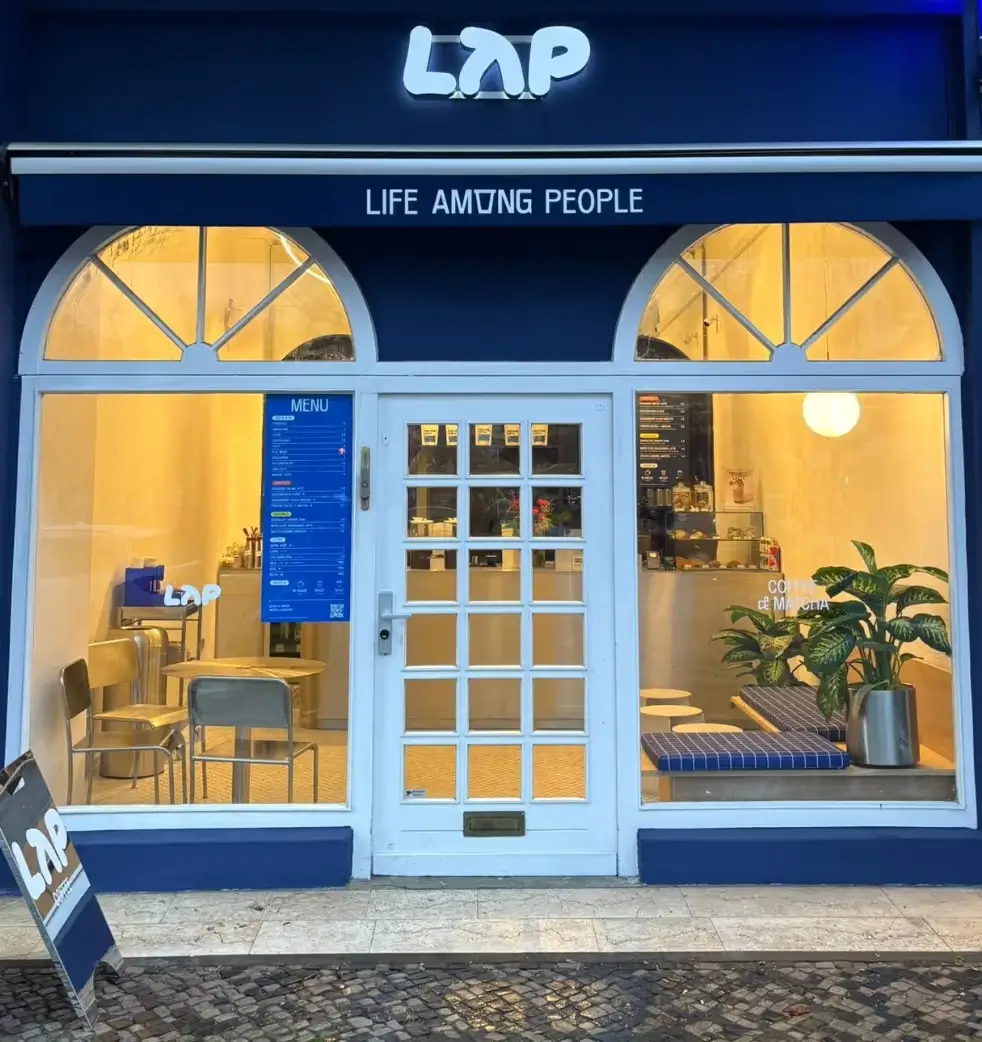
LAP Coffee (Life Among People) was founded in 2022 and has since opened 28+ locations across Berlin, Munich, and Hamburg. That pace – roughly one new location per month – is unusual even by startup standards. For founders and operators watching consumer-facing brand expansion, it’s worth understanding exactly how they pulled it off.
The Model, Not the Coffee:
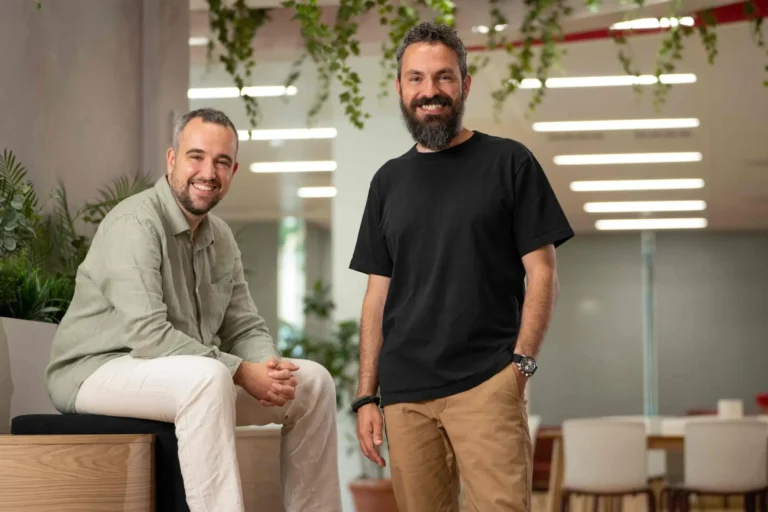
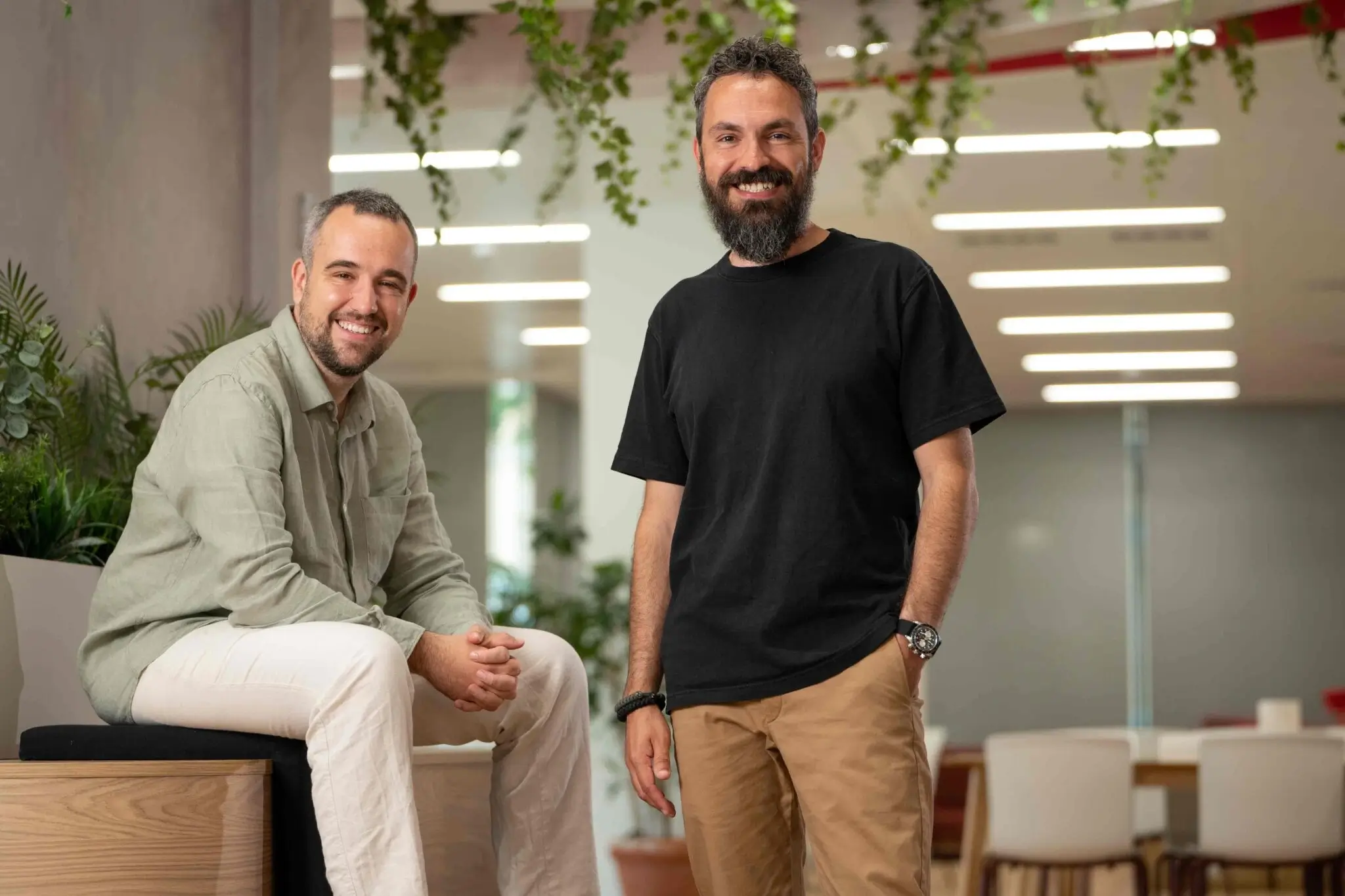
LAP’s co-founders Ralph Hage and Tonalli Arreola are FoodTech veterans, not career baristas. Their model is explicitly borrowed from New York’s Blank Street Coffee – a VC-backed, automated coffee chain now valued at $500 million.
The mechanics are straightforward. Small retail footprint, minimal seating, fully automated Eversys espresso machines, digital-first ordering via app and QR codes. The only manual step is steaming milk. This cuts labor costs significantly and allows consistent output at scale – which is exactly how a €2.50 cappuccino is commercially viable.
Investors took notice quickly. LAP has raised funding from Insight Partners (known for high-growth software and tech), HV Capital (whose portfolio includes Flixbus and Zalando), and Foodlabs. That backer profile matters: these are not hospitality investors. They’re betting on a tech-enabled retail rollout.
Why the Price Works:
Berlin coffee prices rose roughly 21% in the year to late 2025. A cappuccino at Pret a Manger runs €4.20; Starbucks charges €4.70. LAP charges €2.50 – with no surcharge for plant-based milk or iced drinks.
The math works because LAP compresses costs at every layer: tiny stores in high-footfall locations, automated production, app-first loyalty (buy six, get one free via digital stamp card), and no sit-down service culture to maintain.
Co-founder Hage has noted publicly that roughly seven in ten coffee orders in Germany are to-go, citing national data. LAP’s design reflects that – there’s intentionally nowhere to settle in.
The Backlash Is Real:
Not everyone sees this as a win. By late 2025, LAP locations in Berlin had been spray-painted with red paint, protest flyers appeared in Prenzlauer Berg, and local café owners were openly criticising the chain’s rapid spread.
The core complaint isn’t just competition. Critics argue LAP is willing to pay high rents in sought-after neighborhood’s – a combination that, they say, raises the floor for commercial space costs and squeezes independent operators who can’t absorb those overheads.
LAP has responded publicly that it’s a local business open to dialogue and that lower prices come from efficiency, not corner-cutting on quality. Beans come from Berlin specialty roaster 19grams, which has a track record in direct-trade sourcing.
Whether you find the backlash legitimate or overstated, it signals something important for the expansion playbook: fast-scaling consumer brands in dense urban markets will face community pressure that pure SaaS plays don’t. That’s a real operational variable.
LAP Coffee vs. Blank Street:
LAP and Blank Street are structurally near-identical. Both are VC-backed, both use automated machines, both lead with affordability and aesthetic identity, and both expanded fast in major cities.
The difference so far is geography and cultural context. Blank Street built in New York and London, where high-volume to-go coffee culture is already well-established. LAP is doing the same in German cities where independent café culture runs deeper and community attachment to local businesses is stronger. That’s why the backlash in Berlin has been more visible than what Blank Street faced early on.
For anyone studying urban retail expansion – whether in food and beverage or adjacent categories – this contrast is genuinely instructive.
If you’re watching how tech-native operators are reshaping physical retail, LAP Coffee is one of the cleaner examples in Europe right now.