ElevenLabs raises $500M in a Series D round at an $11 billion valuation – more than tripling its worth from a year ago. The AI voice company ended 2025 with over $330 million in annual recurring revenue, driven almost entirely by enterprise customers deploying voice agents for customer support, sales, and internal operations.
This isn’t another AI company raising money on potential. ElevenLabs is already powering voice infrastructure for Meta, Epic Games, Salesforce, and over a billion end users through its API.
Why This Round Matters Right Now:
The ElevenLabs funding round signals a shift in how enterprises think about voice AI – moving from experimental projects to production-grade deployments. Companies like Deutsche Telekom, Square, Revolut, and the Ukrainian Government are using ElevenAgents (ElevenLabs’ enterprise platform) for customer-facing operations, not just internal testing.
The timing coincides with major platform upgrades. ElevenLabs announced faster response times and improved expressiveness through turn-taking improvements and its new Eleven v3 Conversational model. These aren’t incremental updates – they’re necessary for voice agents to handle real customer interactions without frustrating users.
Who’s Backing the $11B Valuation:
Sequoia Capital led the round, with partner Andrew Reed joining the board. Andreessen Horowitz (a16z) quadrupled its position while ICONIQ tripled down – both taking significant super pro-rata stakes that show conviction beyond typical follow-on checks.
New investors include:
- Lightspeed Venture Partners
- Evantic Capital
- BOND
Existing backers BroadLight, NFDG, Valor Capital, AMP Coalition, and Smash Capital continued their support. Additional investors will be disclosed later in February.
This brings ElevenLabs’ total funding to $781 million across five rounds since founding in 2022.
What ElevenLabs Actually Does:
ElevenLabs started with AI text-to-speech technology that sounds genuinely human. The company has since expanded across the full audio stack: speech-to-text, sound effects, dubbing, music generation, and conversational AI.
They’ve organized these capabilities into three platforms:
ElevenAgents – Enterprise voice and chat agents with reliability, integrations, testing, and monitoring for large-scale operations. This is where Deutsche Telekom, Square, and Revolut are building customer support and sales workflows.
ElevenCreative – Audio generation and localization across 70+ languages. Duolingo, NVIDIA, and TIME use this for content creation and global distribution.
ElevenAPI – Low-latency voice infrastructure for developers. Powers interactive experiences for companies reaching over one billion users.
Enterprise Voice AI vs. Consumer Experiments:
What separates ElevenLabs enterprise AI from consumer voice tools is production-grade infrastructure. Enterprise deployments need uptime guarantees, compliance features, integration with existing CRM and support systems, and monitoring dashboards that track performance at scale.
ElevenLabs competes with Google Cloud Text-to-Speech, Amazon Polly, and Microsoft Azure Speech – but those are primarily text-to-speech services, not full conversational platforms. For enterprise voice agents, ElevenLabs is more directly competing with specialized vendors like Replicant and PolyAI.
The difference: ElevenLabs built research capabilities (their conversational models) alongside enterprise infrastructure, rather than licensing models from third parties.
Where the Money Goes:
ElevenLabs is doubling down on two areas:
Research expansion – Emotional conversational models, dubbing improvements, and what they’re calling “audio general intelligence.” The company views foundation model research as a competitive moat, not something to outsource.
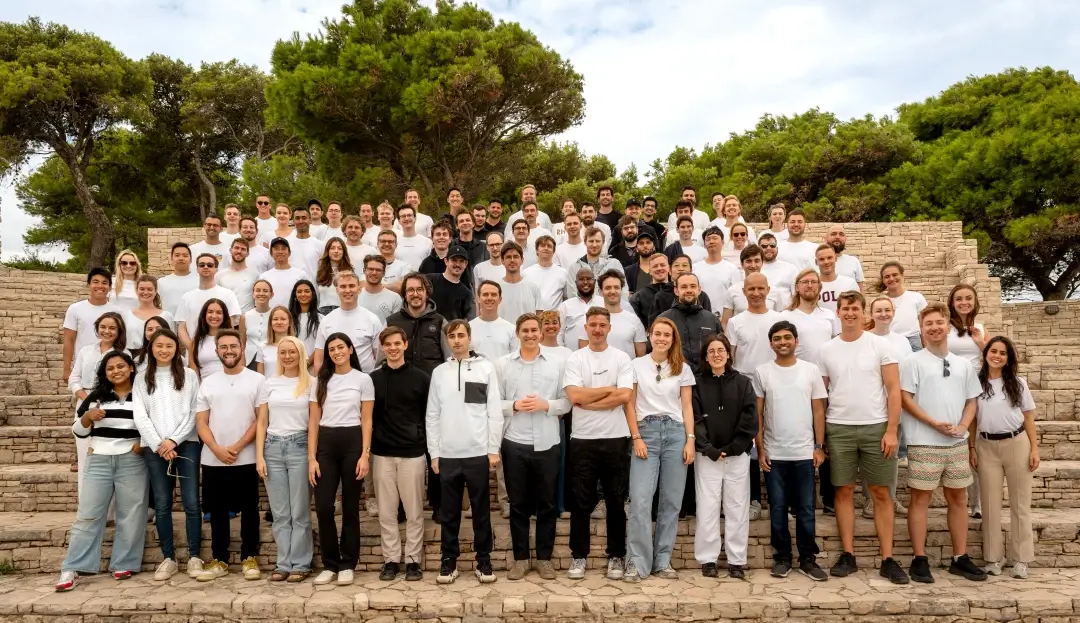
Global go-to-market teams – Physical presence in London, New York, San Francisco, Warsaw, Dublin, Tokyo, Seoul, Singapore, Bengaluru, Sydney, São Paulo, Berlin, Paris, and Mexico City. This isn’t remote selling – they’re embedding teams locally to support enterprise adoption.
Mati Staniszewski, Co-Founder of ElevenLabs, says: “The intersection of models and products is critical – and our team has proven, time and again, how to translate research into real-world experiences. This funding helps us go beyond voice alone to transform how we interact with technology altogether.”
The IPO Signal:
Staniszewski mentioned building “toward IPO and beyond” in the announcement – unusual for a Series D company unless leadership sees a near-term path to public markets. At $330M ARR with strong enterprise traction, ElevenLabs could feasibly target 2026-2027 for a public offering if growth holds.
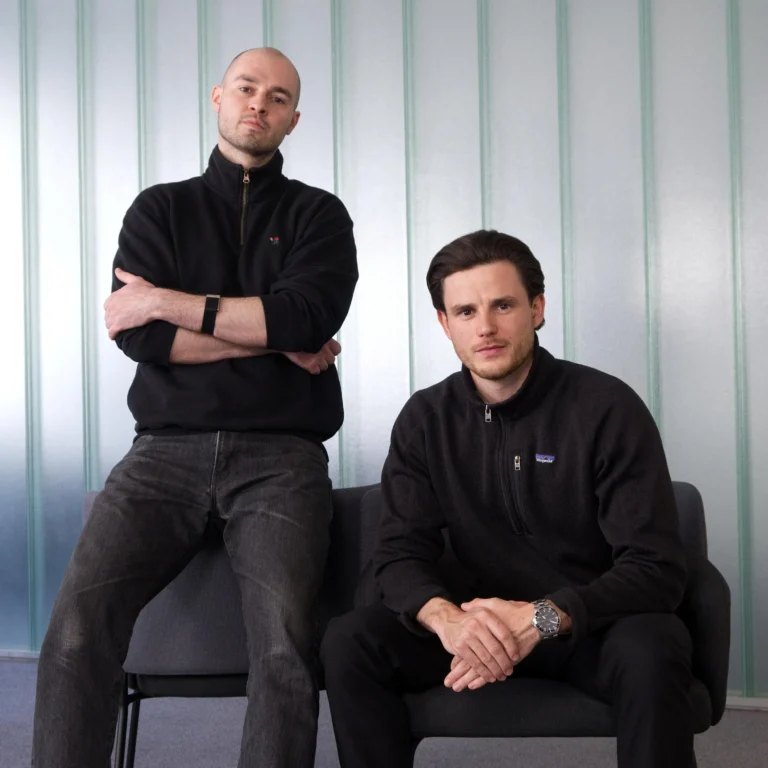
Andrew Reed, Partner at Sequoia, said: “Mati and Piotr are exceptional founders and leaders. They have built ElevenLabs into one of the most successful and most impactful companies in the global AI ecosystem.”
What to Watch:
- Enterprise expansion metrics – How quickly can ElevenLabs scale beyond early adopters to mid-market and Fortune 500 deployments?
- Conversational model improvements – Voice agents need to handle interruptions, context switching, and emotional nuance to replace human support at scale
- Competitive response – Will OpenAI, Google, or Microsoft bundle voice agent platforms into existing enterprise products?
- Regulatory headwinds – Voice AI for customer-facing applications will face increasing scrutiny around disclosure and consent
Bottom Line: If you’re evaluating voice AI solutions for enterprise deployment, ElevenLabs now has the capital, infrastructure, and customer proof points to compete for serious production workloads. The $11B valuation reflects belief that voice will be a primary interface for business software – not a feature, but a platform shift.