The construction industry is responsible for roughly 39% of global emissions. About 11% of that comes from the embodied carbon locked into materials before a building ever opens. Bristol-based BioTech startup Mykor is directly working on that 11%, using engineered fungal biology and agricultural waste to produce low-carbon alternatives to conventional insulation and wall systems.
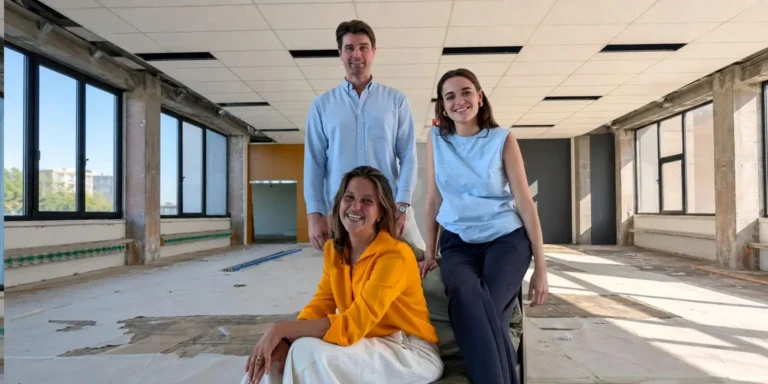
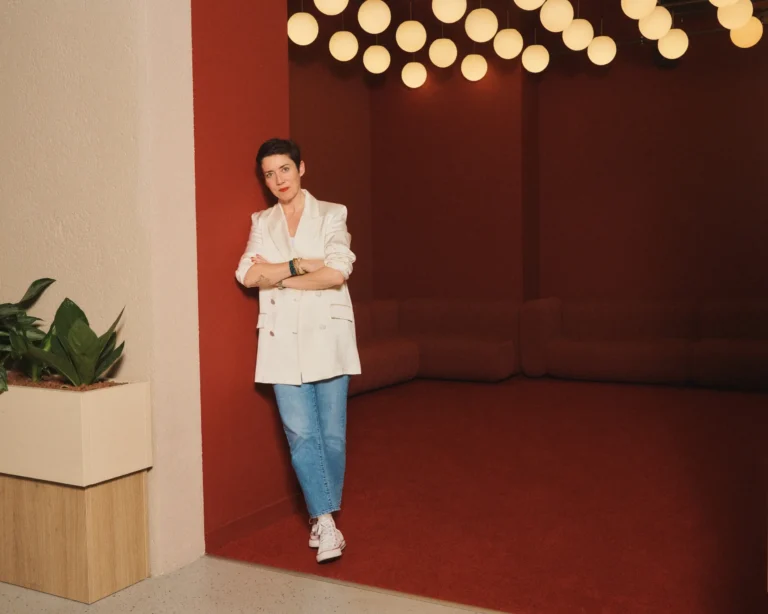
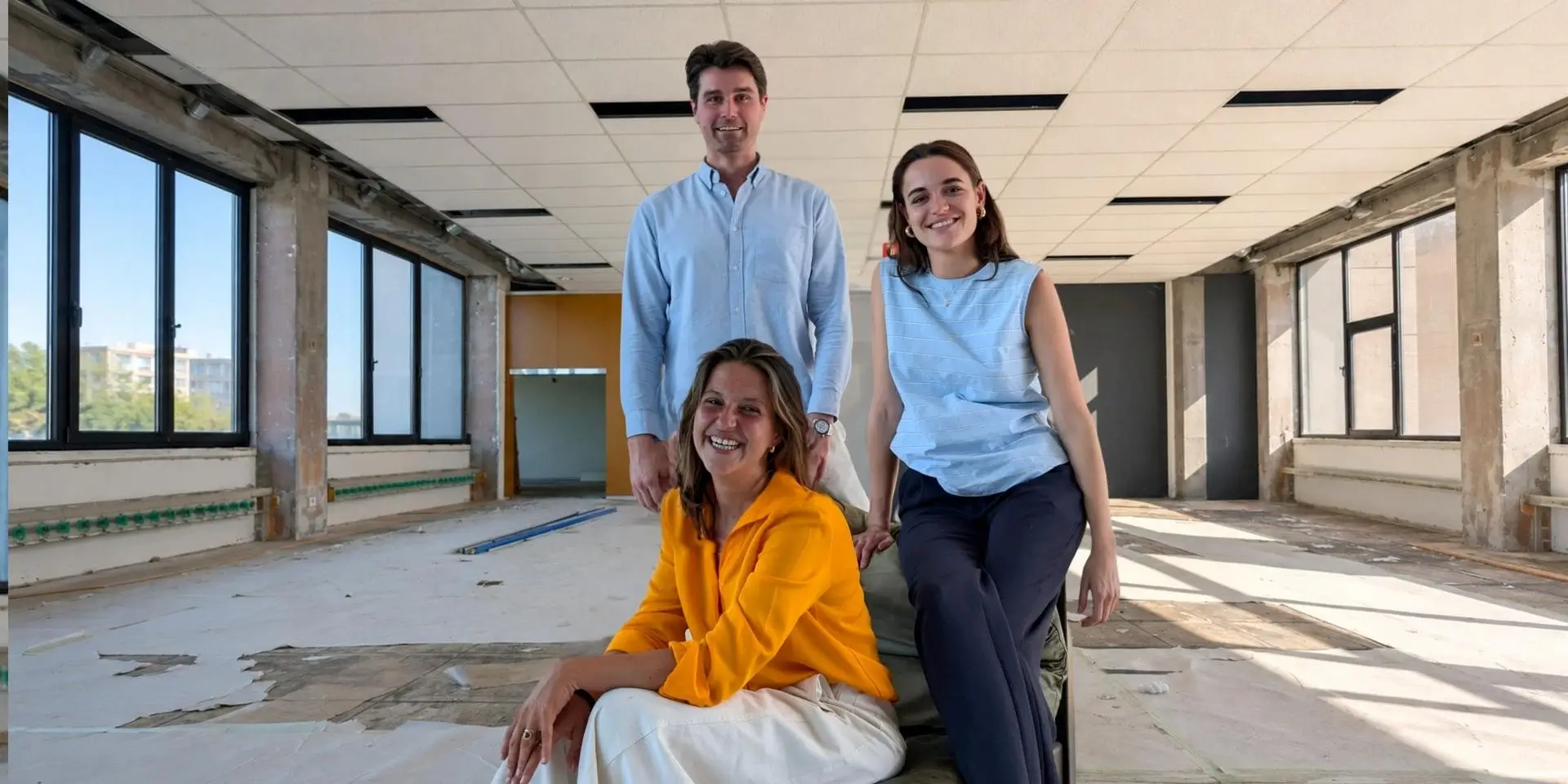
Mykor was co-founded in 2021 by Olivia Page and Valentina Dipietro. The company just secured £4 million in fresh funding, bringing its total funding to £7.5 million, split across £5.5 million in equity investment and £2 million in grant funding.
How the Technology Works:
Mykor’s proprietary technologies combine engineered mycelium strains, green chemistry additives, and closed-loop automated manufacturing processes to produce an expanding portfolio of construction products, from prefabricated walls to cavity wall insulation. The core idea is that fungal mycelium, when introduced to agricultural or industrial waste materials, grows through that substrate and bonds it into a rigid, structural form within days. No petrochemicals, no synthetic binders, no finite raw materials.
The Products on the Market:
Mykor’s first product, MykoSIP, is a preassembled partition wall that achieves an estimated carbon saving of around 23 kgCO₂e per square metre compared to conventional systems, equating to at least 50% carbon savings, with higher savings when accounting for biogenic carbon storage, while maintaining comparable thermal and acoustic performance.
The panels use 90% less water and 40% less electricity than polystyrene counterparts. They are mould-free, breathable, and do not release toxins as they degrade, unlike synthetic insulation products. For contractors navigating increasingly strict embodied carbon requirements in planning and procurement, those numbers carry real weight.
A Platform, Not Just a Product:
What makes Mykor’s business model worth paying attention to is the positioning. Rather than operating as a single-product manufacturer, Mykor works as a technology and process platform, enabling contractors and manufacturers to integrate low-carbon biomaterials directly into existing production lines and construction systems. This model allows the company to scale through existing industrial infrastructure rather than relying solely on centralised manufacturing.
That approach reduces go-to-market friction considerably. Contractors are not being asked to adopt a completely new process. They are being offered a material swap within systems they already know.
Commercial Traction and the £338M Signal:
The company is already delivering live construction projects and has secured significant commercial traction, including two large offtake agreements worth £338 million with UK and European contractors. For a startup at this funding stage, that is a meaningful commercial signal. Offtake agreements of that scale reflect real demand from buyers who have done their own due diligence on performance and buildability.
The £4 million round was led by Clean Growth Fund, with participation from the British Business Bank’s South West Investment Fund via The FSE Group, Green Angel Ventures, and Innovate UK’s investor partnership programme. That mix of climate-focused capital and government-backed investment reflects how this space is being financed across the UK right now. Investors looking at low-carbon construction materials and mycelium BioTech as emerging asset classes will find Mykor a useful company to track.
The Team Behind it:
With operations across three sites in the UK and Portugal and around 20 people, roles like Research Mycologist and Mycelium Technician sit alongside more traditional CFO and Commercial Legal functions, which reflects how seriously the company is treating both the science and the commercial side of scaling.
Olivia Page has been clear on the company’s design intent. The position is that decarbonising construction cannot come at the expense of cost, performance, or practicality. That framing matters because it directly addresses the main reason low-carbon materials have historically struggled to move from niche to mainstream.
What this Round Funds:
The new capital goes toward expanding manufacturing capacity to serve the existing pipeline. The company says deliveries from its Portuguese plant will scale meaningfully through the second half of 2026. Mykor’s second product, MykoFoam, is grown from agricultural residues in the Alentejo region of Portugal, inoculated with fungal mycelium, and bonded into a rigid insulation panel over roughly four weeks.
For founders and operators building in the construction tech or climate materials space, Mykor is a useful model of how BioTech can enter a historically conservative sector without demanding that sector change its workflows overnight. The product fits the process rather than the other way around.