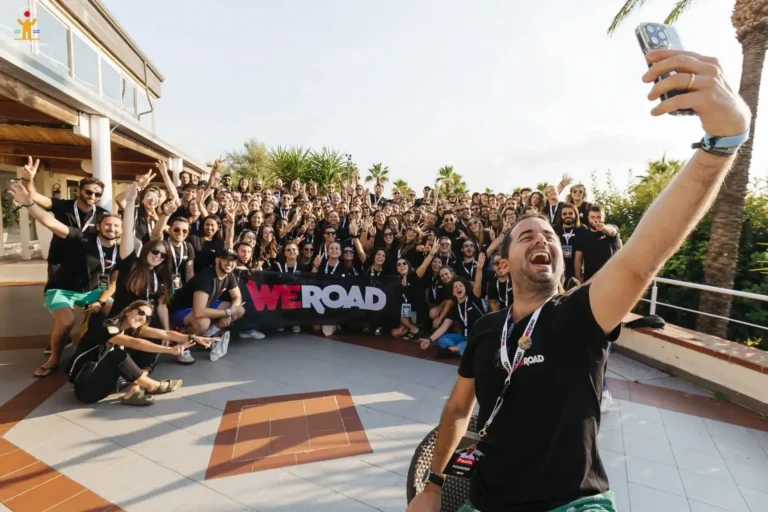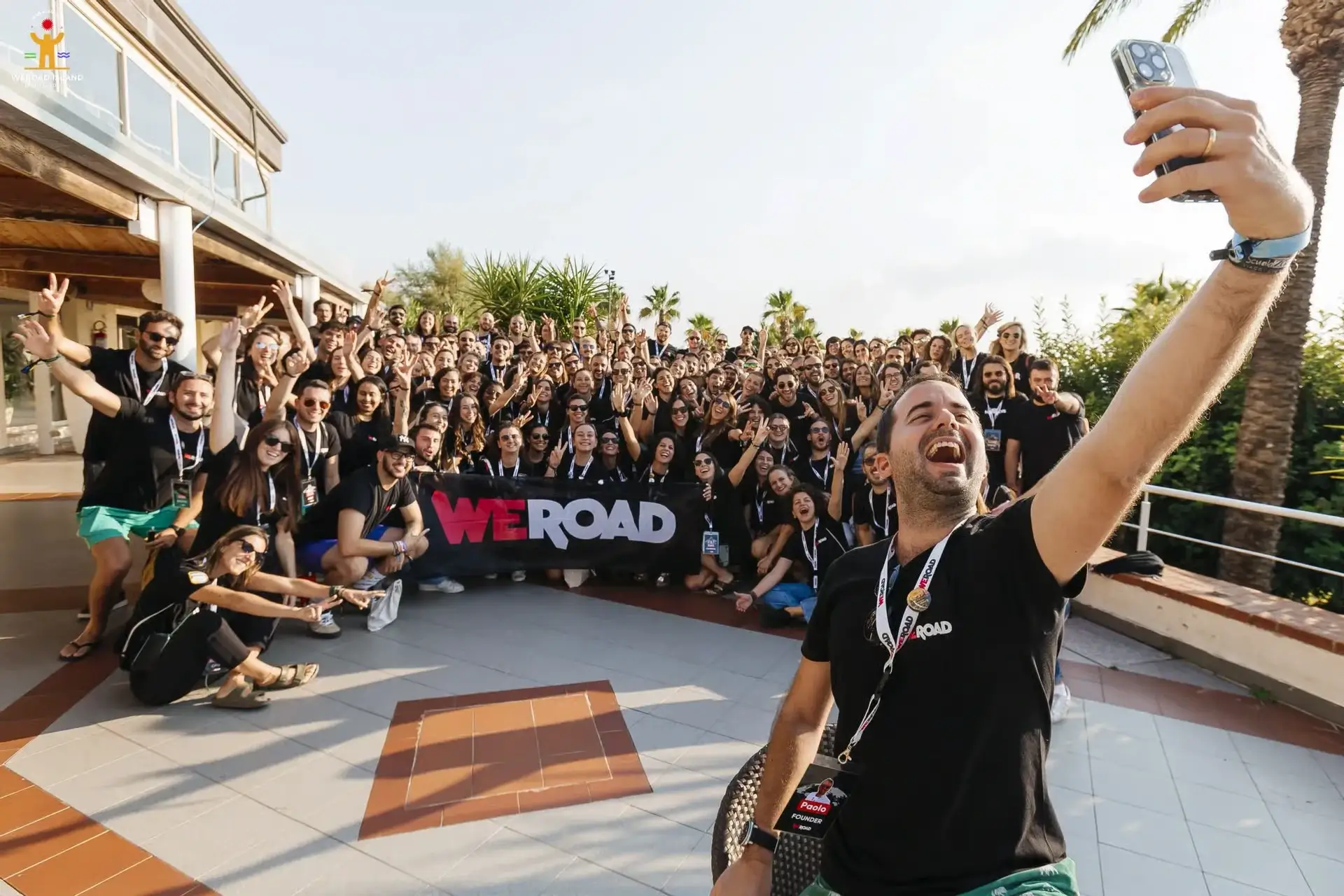
WeRoad closed a $58 million Series C round led by Airbnb, and the Milan-based group travel platform is heading to the United States. The investment gives Airbnb a strategic 10% stake and a board seat, while bringing WeRoad’s total capital raised to around $100 million. For a company that started in Italy in 2017, this is a meaningful step into one of the most competitive travel markets in the world.
WeRoad generated €130 million in revenue in 2025, up 30% year over year, and took more than 100,000 travelers on trips that year alone. Since launch, the company has organized travel for more than 300,000 customers across over 1,000 itineraries globally and built a network of more than 4,000 group coordinators across Europe and other markets.
The Group Travel Model:
WeRoad organizes small group trips for solo travelers, primarily in their 20s, 30s, and 40s. Travelers browse itineraries filtered by destination, dates, and travel mood, then book. Flights are not included, giving travelers flexibility to choose what works for them. About 15 days before departure, the group coordinator creates a WhatsApp group so travelers can start connecting before the trip even begins.
Accommodations, transport, and core experiences are fixed, but dinners, half-days, and optional activities are decided by the group during the trip based on their interests and budget. This gives each trip a degree of flexibility that more rigid tour packages typically skip. Around 60% of WeRoad travelers rebook each year, and a third of bookings come through word of mouth.
Coordinators Over Tour Guides:
One of the more practical differences in WeRoad’s model is how it handles trip leadership. Instead of traditional tour guides, WeRoad uses group leaders who are coordinators closer in age to travelers, acting more as travel companions than experts.
The company now works with more than 4,000 group leaders globally. WeRoad’s CEO has described the profile it looks for as people with travel experience and strong interpersonal skills, specifically the ability to lead a group, handle tension, adapt when plans change, and help strangers connect. Coordinators work casual contracts, with most leading just one trip per year. Local guides are still used where specialized knowledge matters, such as in museums or parks.
WeMeet and the IRL Economy:
In 2025, WeRoad launched WeMeet, an app focused on local in-person gatherings, including dinners, hikes, yoga classes, running groups, after-work drinks, and board game nights. More than 50,000 people attended WeMeet events across 35 cities last year, while the app reached 150,000 downloads.
WeRoad positions WeMeet as part of a broader shift toward the “IRL economy,” the growing preference for offline, in-person experiences over digital ones, where technology facilitates real-world social interaction rather than extended online engagement. This positions WeMeet as a top-of-funnel product, one that introduces people to the WeRoad community without requiring them to book a full international trip first.
The US Expansion Strategy:
WeRoad plans to focus on a small number of US cities first, beginning with Austin, where it will recruit group leaders, organize local events, and build community partnerships before expanding further. WeMeet is leading that entry, seeding the market before the full group travel product scales.
The company will use the new capital to grow its US operations, expand its coordinator network, build local partnerships, and increase marketing activity. The Airbnb board seat adds another layer to this expansion. WeRoad’s coordinator network and tour guide platform could help Airbnb scale its Experiences business, an area where attracting quality guides has been a persistent challenge. No formal integration has been announced, but the structural overlap between the two platforms is visible.
Numbers Worth Noting:
WeRoad’s growth story has a few data points that stand out for operators and investors looking at the adventure travel and solo travel space.
Solo travelers make up roughly 90% of bookings across WeRoad’s 1,000-plus available global itineraries. B2B channels, including travel agencies, employee benefit programs, and corporate partnerships, already represent 17 to 18% of WeRoad’s revenue. That diversification matters as the company enters a new geography with higher customer acquisition costs. For anyone tracking group travel startups, adventure travel platforms, or community-led growth models, WeRoad is one of the more structurally interesting companies in European TravelTech right now.