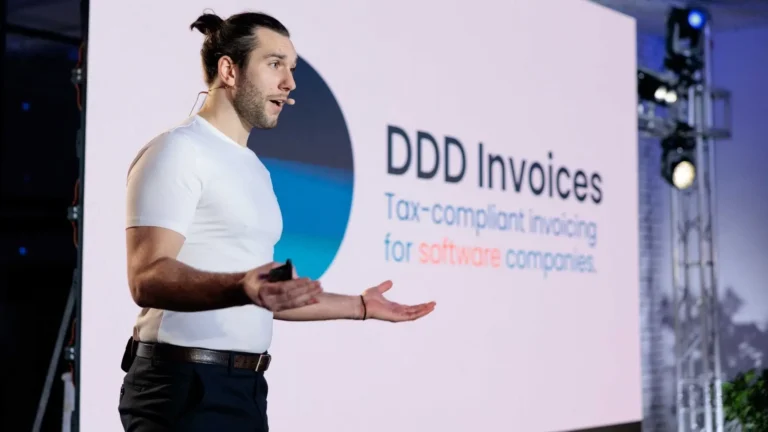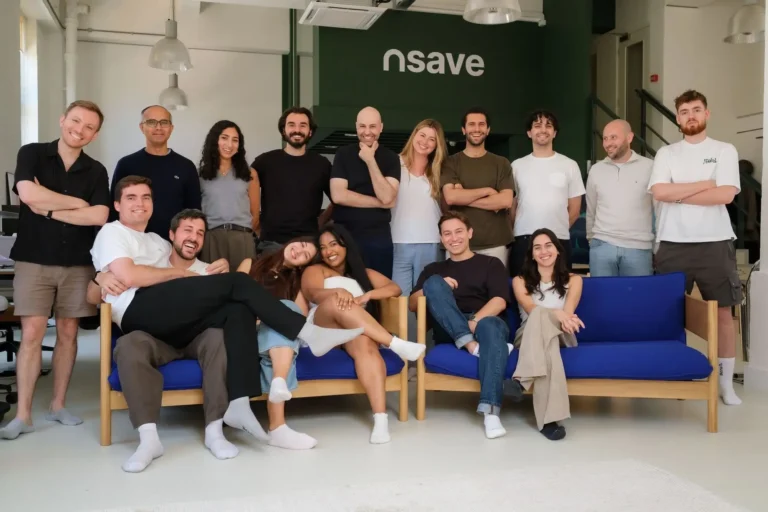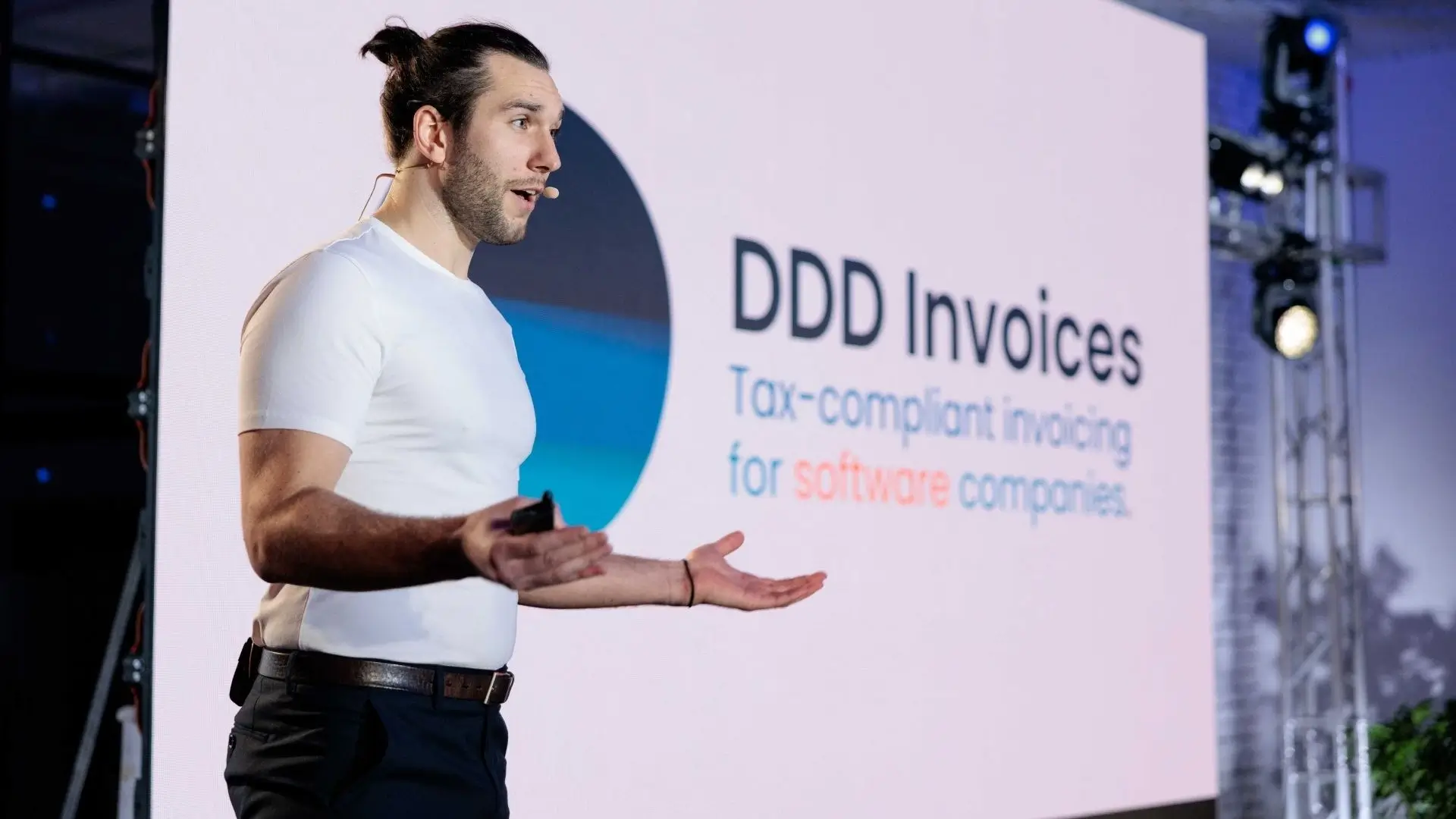
Managing invoice compliance across multiple countries is one of those operational problems that compounds fast. The more markets a software company enters, the more country specific tax rules, formats, and submission portals it has to support. DDD Invoices, a Ljubljana-based startup, just closed a €1.31 million seed round to solve exactly that through a single API that handles e invoicing compliance across jurisdictions automatically.
The round was led by Fil Rouge Capital and 500 Global, with additional participation from angel investors and advisors who carry decades of experience in ERP systems, Peppol infrastructure, and the e invoicing industry.
Governments Are Changing the Rules
Invoicing used to be a bilateral exchange between two companies. That is changing fast. Across an increasing number of countries, invoices must now pass through government controlled tax portals and be validated in real time before they are legally accepted and forwarded to the recipient.
Each country runs its own formats, validation logic, and submission rules. For software vendors operating across multiple markets, or for companies scaling through multiple legal entities, this creates a fragmented and expensive web of country by country integrations. Global e invoicing compliance stops being a configuration task and becomes a real constraint on how fast a company can grow.
One API, Every Market
DDD Invoices sits between the software platform and the tax authority. A company sends standardized invoice data through the DDD Invoices API. The platform transforms it into the correct local format, validates it against current rules, routes it to the right tax system, and returns the status back to the originating application.
The platform supports Continuous Transaction Control (CTC) requirements, fiscalization rules, and Peppol network submissions. For companies on platforms like Stripe, Shopify, Bitrix, and Chargebee, DDD Invoices offers native integrations out of the box. For unstructured documents like PDFs, it uses AI based document processing to extract and structure invoice data before submission. The company already serves software businesses including Access Group, Zenoti, Logitude, and WheelSys across multiple global markets.
Denis Vehovec Pondelak, CEO and co founder of DDD Invoices, put it plainly: “Modern software companies cannot afford to be slowed down by local compliance complexity. Compliance is already not the most exciting part of building a company, but now it is becoming increasingly more complex due to governments tightening the regulations and companies scaling globally from the get go. We’re building the infrastructure to take that off their plate.”
Strong Backers With Sector Experience
The investor lineup brings more than capital. Fil Rouge Capital focuses on early stage technology and infrastructure companies across Central and Eastern Europe. 500 Global has backed over 2,600 companies in more than 80 countries, including Canva, Grab, and Aircall, and manages over USD 2.7 billion in assets.
The angel group includes Bengt Nilsson, founder of IFS and former CEO of Pagero, Hans Berg, co founder of Tickstar and CEO of Arratech, and several former Pagero executives now building in the e invoicing space. This is a set of backers who understand the specific technical and regulatory landscape DDD Invoices is operating in.
Roger Blott, partner at Fil Rouge Capital, noted: “Fully compliant e invoicing is a necessity in commerce today, and DDD is at the centre of providing this essential service to its customers. Globally, these services are in their infancy, but in a short time, they will become ubiquitous, and DDD has a second to none solution.”
What the Funding Goes Toward
With the €1.31 million seed capital secured, DDD Invoices plans to expand country coverage, improve how quickly integrations can be deployed, and grow its team across product, engineering, and go to market functions.
The founding team brings over 30 years of combined experience building business software, including ERP systems for public and private sector institutions. That background matters here because e invoicing compliance is not just a developer problem. It requires understanding how tax authorities actually operate, how formats evolve, and how validation rules shift when governments update their mandates.
For founders and operators evaluating their invoicing stack, DDD Invoices is worth exploring if your platform operates across multiple markets or serves customers in countries that have already mandated real time tax reporting. You can explore global e invoicing compliance requirements and how the API handles them through the DDD Invoices documentation.
DDD Invoices is building the kind of infrastructure that rarely makes headlines but becomes critical the moment a company tries to invoice a customer in a new country without a months long compliance project attached to it.