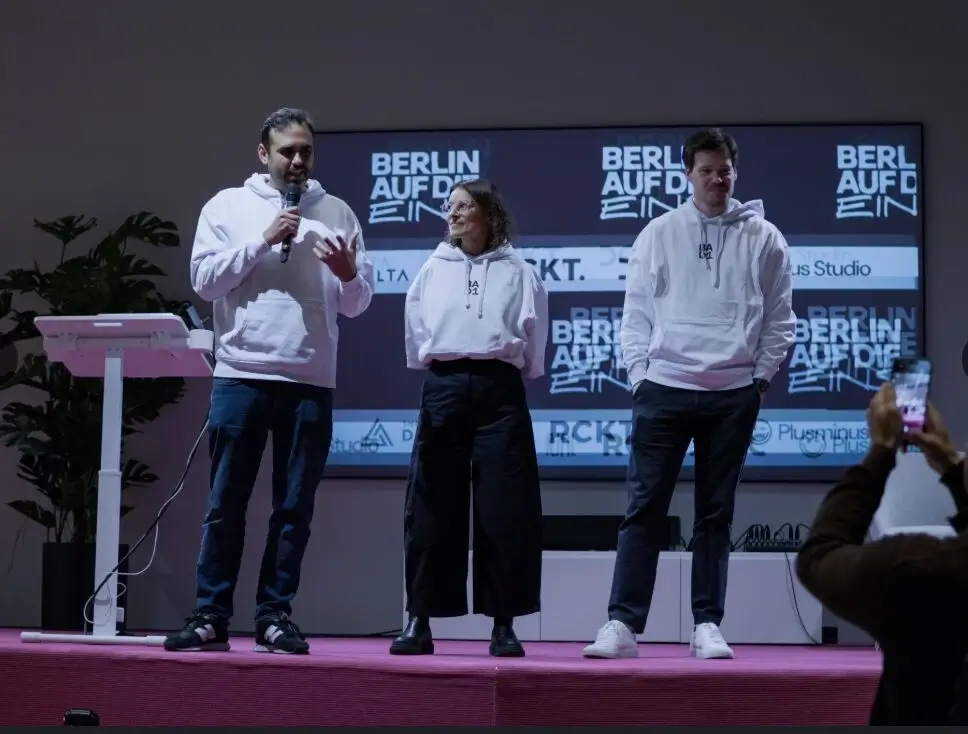
The Berlin startup ecosystem is making a coordinated push, and it is worth paying attention to. Berlin Auf Die Eins (BAD1), which translates to “Berlin to number one,” is a community campaign launched by founders, investors, and operators who want Berlin to become Europe’s leading city for builders. It is not a government initiative and not a think tank report. It is a bottom-up movement from people who are actively building here.
The timing makes sense. Europe is navigating a complex moment between aggressive US tech expansion and tightening regulatory environments. The campaign frames Berlin as the city best positioned to offer a third path, one built on European values of freedom, privacy, and fairness, backed by real infrastructure and talent density.
Built by Builders:
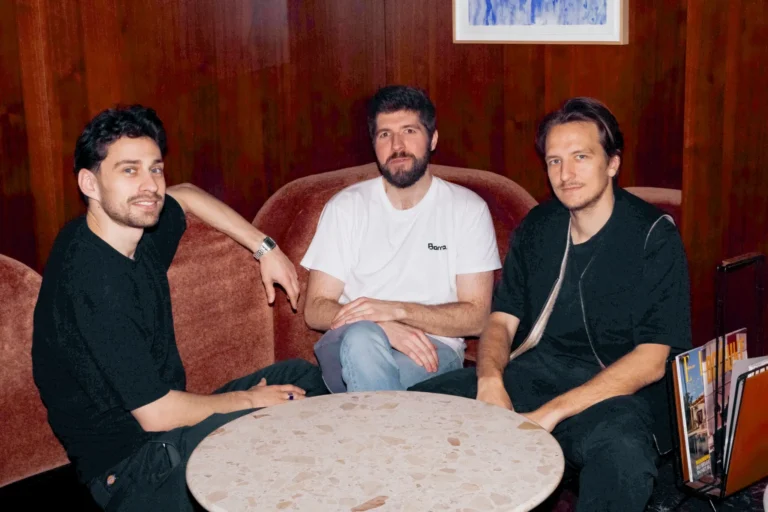
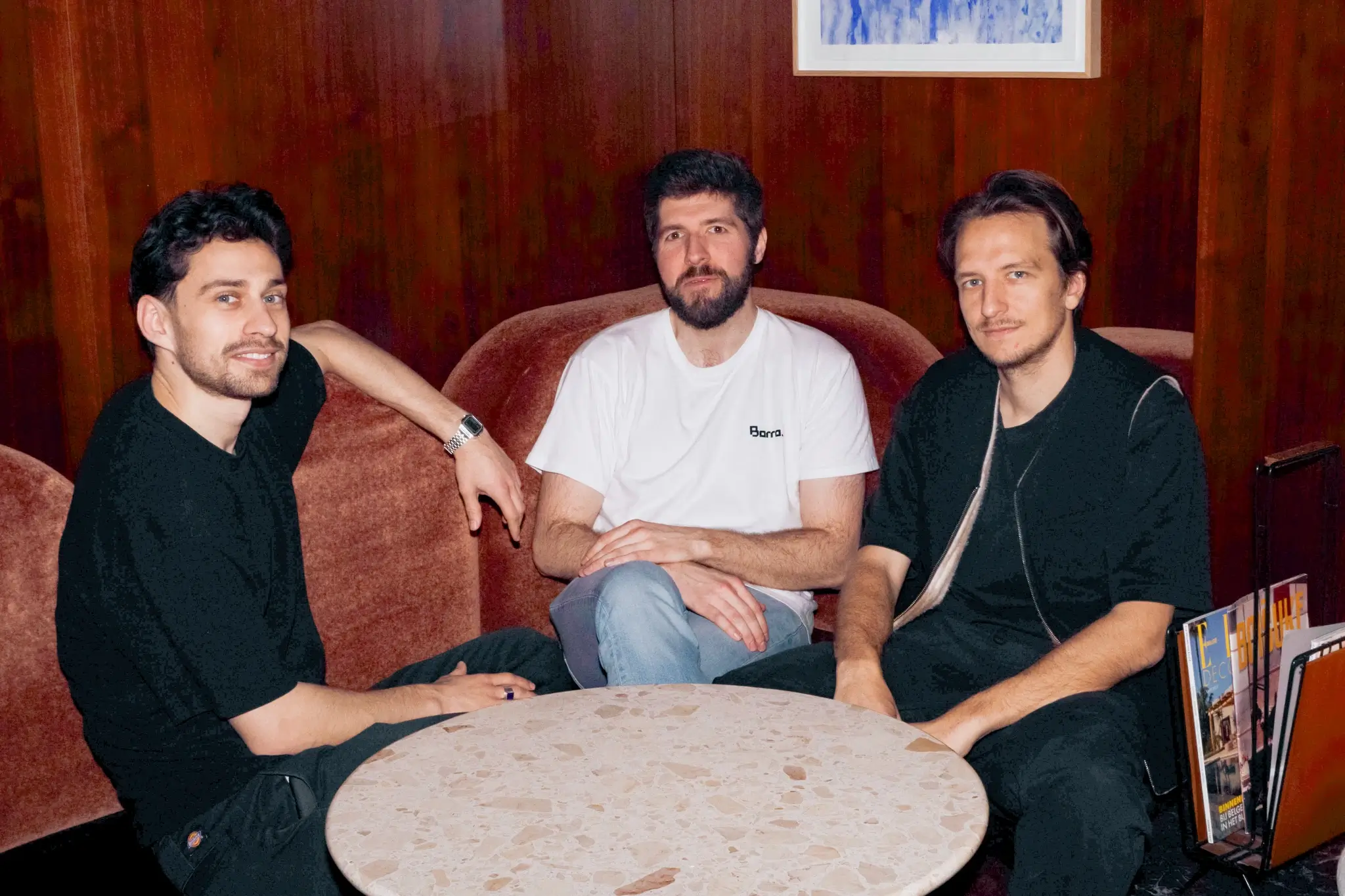
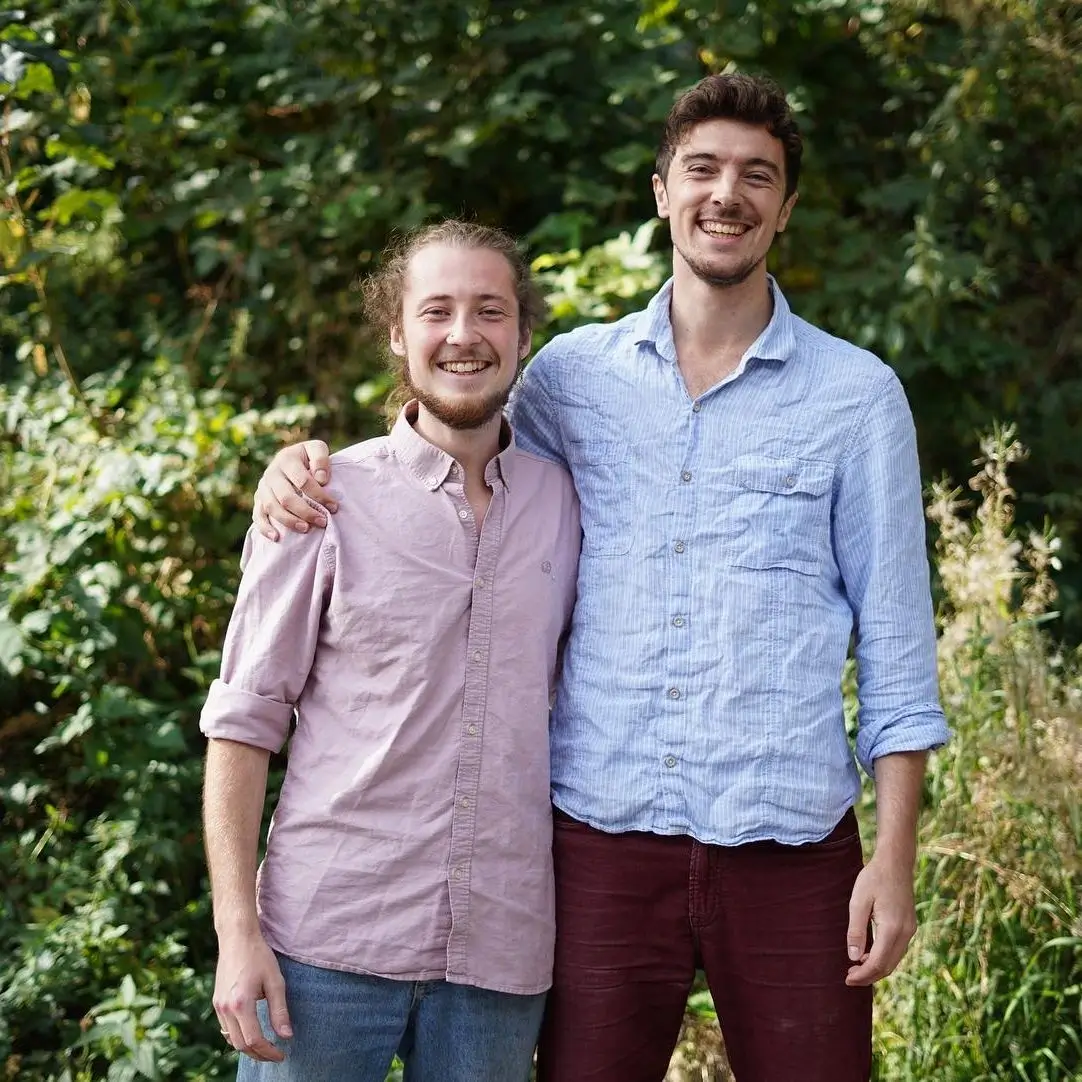
The campaign was co-founded by Julian Teicke, Chairman and Founder of The Delta, alongside Alexandra Buys, Co-founder and COO of The Delta. The broader organising group includes Gero Decker of SAP Signavio, Matthias Knecht of Billie, Hannes Klöpper of HelloBetter, and Damian Boeselager, a Member of the European Parliament from Volt. Norbert Herrmann, Head of Startup Affairs at the Berlin Senate Department for Economic Affairs, is also part of the group, which signals direct government involvement from the start.
Founding partners include The Delta, Juni, and Dentsu Creative.
The Numbers Behind it:
Berlin already has substance to build on. The city’s startup ecosystem contributes 10 to 12% of the city’s GDP. It supports over 150,000 jobs directly and indirectly. In 2024, Berlin attracted €2.2B in venture capital, which was 31% of all German VC volume that year. The city is also Germany’s leading AI cluster, home to 283 AI startups, and saw 498 new startups founded in 2024 alone.
These are not projections. They are the current baseline. The campaign is asking: given this foundation, what would it take to reach a genuinely global tier?
How the Campaign Works:
Berlin Auf Die Eins (BAD1) is structured around three core actions. First, surface real friction from practice, meaning founders, talent, operators, investors, and academics identify the specific blockers they encounter. Second, narrow those down to the 5 to 10 changes that would make a measurable difference within 12 to 24 months. Third, build working groups that develop concrete proposals and present them to Berlin policymakers.
The campaign culminates in a community event in June 2026, where working groups will present prioritized demands to city decision-makers, along with specific target metrics to hold everyone accountable. Over 582 people from the Berlin tech community have already signed on, including founders, VCs, lawyers, journalists, and MEPs.
What Founders are Asking for:
The campaign includes a public ideas board where supporters can submit and vote on proposals. The most upvoted ideas as of now include adding English language support across Berlin’s public administration, creating a flagship Berlin tech conference with global reach comparable to Slush in Helsinki or Web Summit in Lisbon, securing direct flight connections from Berlin to the US West Coast, building a bilingual support platform for international residents navigating German bureaucracy, and establishing transitional housing for incoming international talent.
These are practical asks from people who have experienced the friction firsthand. The English compatibility proposal, for example, comes directly from an international founder who described dealing with Berlin’s bureaucracy as difficult. These ideas go directly to the relevant Berlin city departments.
Why it Matters for European Founders:
Paris has Viva Technology with strong government support. Lisbon repositioned itself as a European startup hub through Web Summit. London continues to attract capital aggressively. Berlin has the ecosystem density to compete at that level, and the campaign is a structured attempt to close the gap between what Berlin already is and how it is perceived and supported globally.
For founders considering where to base their European operations, or for those already building in Berlin who want to reduce friction, this is a direct channel to shape policy. The ideas board and the working groups are open for participation. If you are scaling in the European startup hub space and Berlin is part of your roadmap, this is a moment to contribute.
How to Get Involved:
Signing on to Berlin Auf Die Eins (BAD1) is symbolic, meaning there is no legal obligation attached. But the campaign uses that signal to build collective weight behind its demands to policymakers. You can sign the campaign at berlinaufdieeins.de, submit ideas to the public board, vote on existing proposals, or join a working group if you want to be involved in drafting the actual policy asks. The June 2026 event is where these efforts converge into a public set of demands with community backing.
Berlin founders and operators have an opportunity to shape the conditions they work in. The campaign is the infrastructure for doing that.