A first batch of 100 knives sold out in 76 seconds. That was March 2021. Since then, Allday Goods has grown from a garden shed experiment in Norfolk into a certified B Corp kitchen knife company with manufacturing partners across four countries and a freshly closed £765,000 funding round.
The brand is now backed by FIGR Ventures, Anotherway Ventures, Machroes Holdings (the family office of Lord Mervyn Davies), and Tom Gozney of Gozney Pizza Ovens.
The round was led by FIGR Ventures, and the company plans to use the capital to scale with new product releases and expand into new markets. For a brand that reached profitability with minimal external investment, this raise marks its first serious institutional backing.
The Origin Story:
Hugo Worsley, a former chef who ran his own London restaurant, set out to solve a problem he kept hearing from friends: where do you find a high-quality knife that doesn’t cost a fortune? The big commercial players offered little personality. Japanese blades were excellent but expensive. There was a clear gap.
During lockdown, Worsley moved to his parents’ home in Norfolk and started experimenting in their garden shed. He used an old toastie machine from his restaurant days to melt plastic milk bottle lids and create knife handles. After months of building machinery and testing materials, the first recycled handle was ready.
Plastic Waste as Raw Material
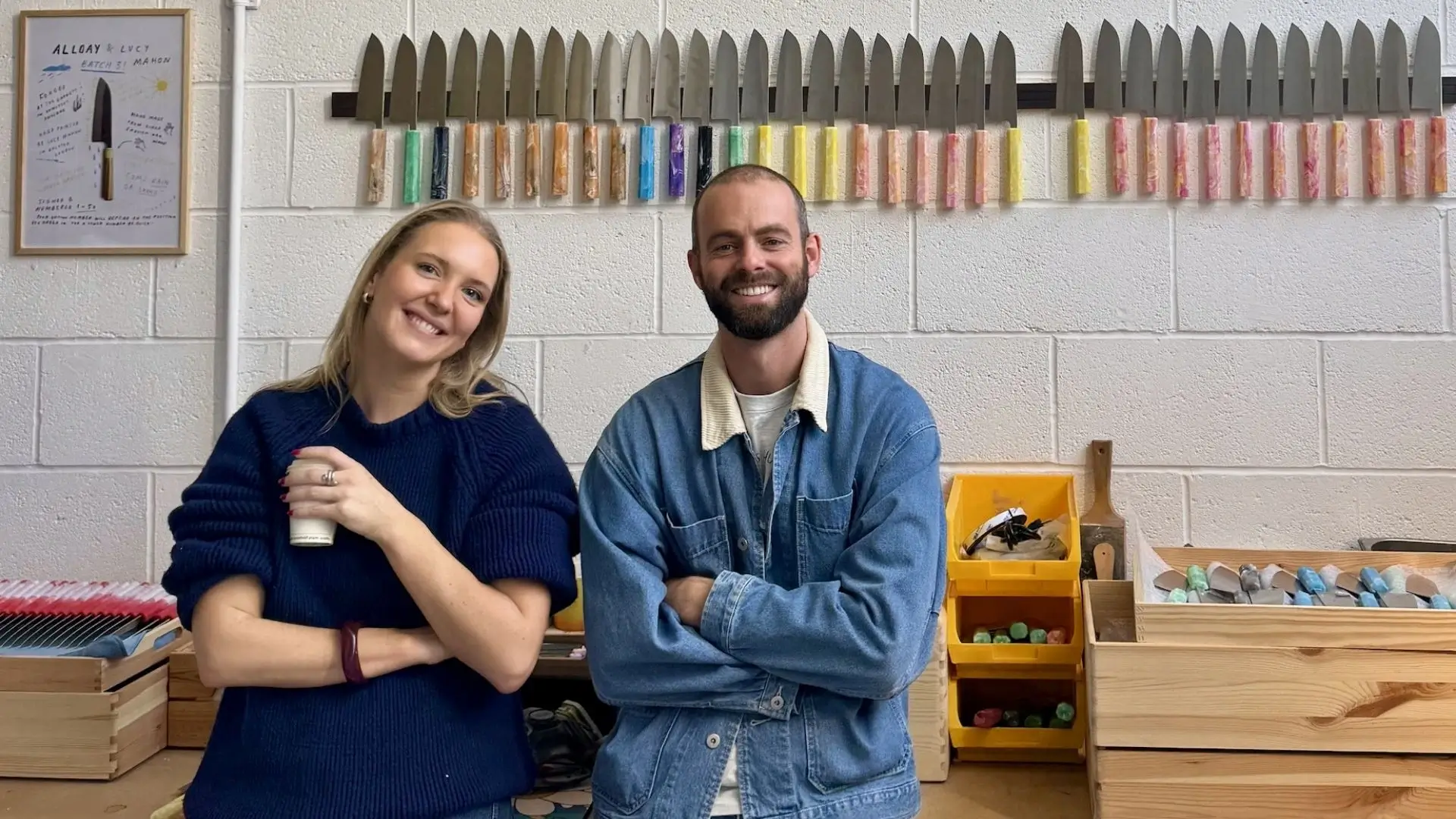
The handle material is the most distinctive part of Allday Goods’ process. Plastic destined for landfill is collected, washed, shredded, and melted into the handle shape. As a result, every handle carries a different pattern. No two knives look exactly alike.
The company’s mission is to raise awareness and rethink our relationship with waste, and the product itself is the vehicle for that message. So far, Allday Goods claims to have saved 23,912kg of plastic from landfill. That number is visible on their website and updated regularly.
Three Ranges, Four Factories:
The knife lineup spans three ranges, each built for a different type of cook. The Everyday range uses X50CrMoV15 stainless steel. The Forged range is made from 52100 high carbon steel from Sheffield. The Sakai range uses Aogami 2 blue paper steel, a carbon steel from Japan widely regarded as one of the best steels in the world.
Manufacturing takes place in Solingen (Germany), Somerset (UK), Sakai (Japan), and Sheffield (UK), with each location chosen for its specific metalworking heritage. The handles are made in Wales. This distributed, craft-led supply chain is a deliberate choice, not a workaround.
The B Corp Score:
Based on the B Impact assessment, Allday Goods earned an overall score of 94.5. The median score for ordinary businesses that complete the assessment is 50.9. That gap is significant. B Corp certification evaluates governance, workers, community, environment, and customers. Scoring nearly double the median puts Allday Goods in a small group of high-performing certified companies globally.
The certification adds weight to what could otherwise read as brand storytelling. It provides an independently verified baseline for claims around materials and impact.
Brand Partnerships and Stockists:
Allday Goods has collaborated with Ottolenghi, Soho House, Maldon Salt, Kerrygold, and Paul Smith, and has appeared in The World of Interiors and Esquire. These are not small names. Each collaboration signals that the product holds up in professional and design-conscious environments.
The brand sells through its own site and a small number of stockists. Online drops continue alongside permanent ranges. For anyone researching sustainable kitchenware options or looking at ethical consumer goods startups worth following, Allday Goods represents a model worth understanding in detail.
What This Funding Unlocks:
FIGR Ventures describes Allday as a founder-led brand built through material experimentation rather than pitch decks. FIGR aims to support what is already working and does not plan to redirect the brand. That framing matters because it signals the investment is structured around the existing identity, not a pivot.
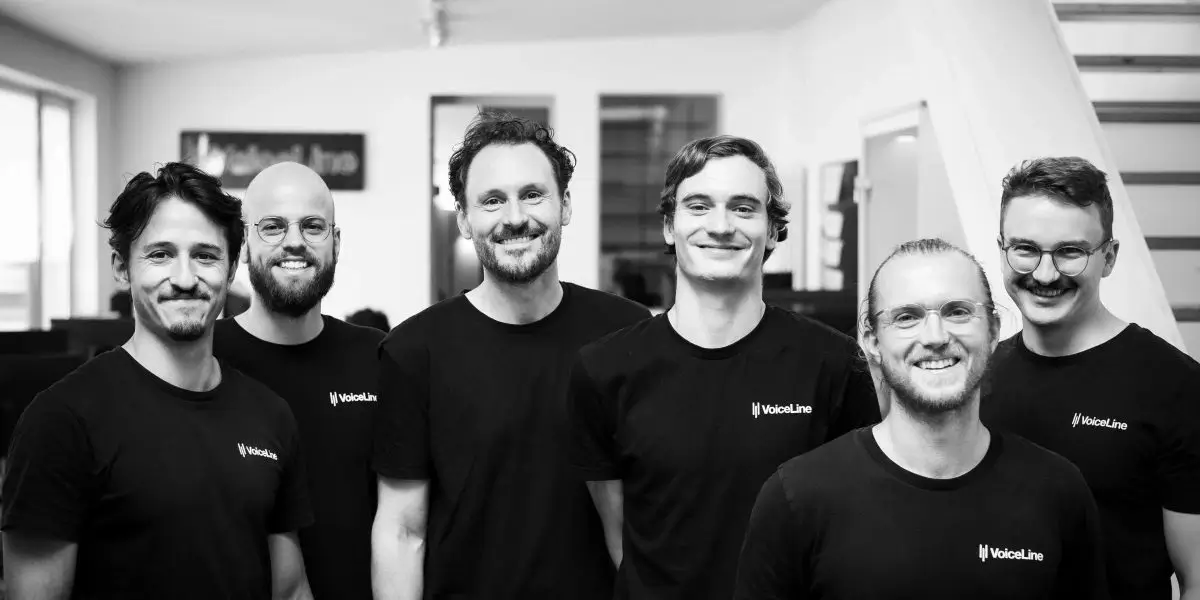
New product releases are planned alongside market expansion. The Allday Goods team, based out of Dalston, London, currently numbers six people. The funding gives that small team room to grow without dismantling what made the brand work in the first place.
The core takeaway here is straightforward. A kitchen knife company that started with a toastie machine and a pile of plastic waste has built a certified, profitable, and now investor-backed business in under five years. The product is functional, the supply chain is traceable, and the mission is measurable. That combination is increasingly rare in consumer goods, and increasingly what buyers and investors are looking for.