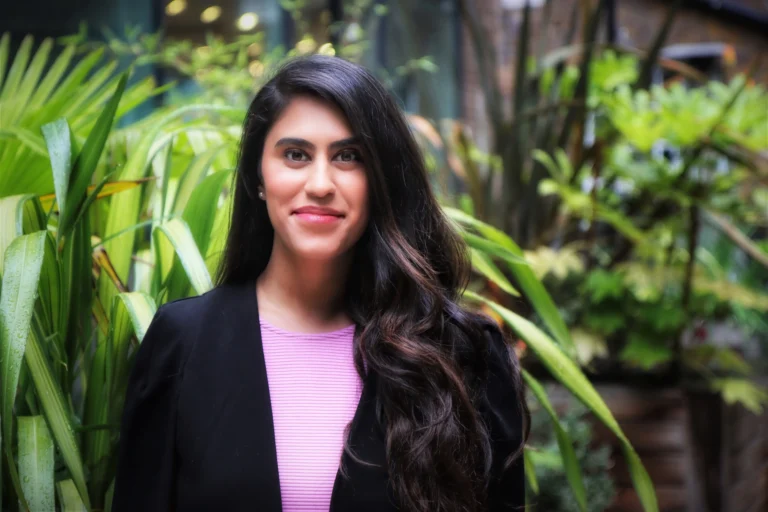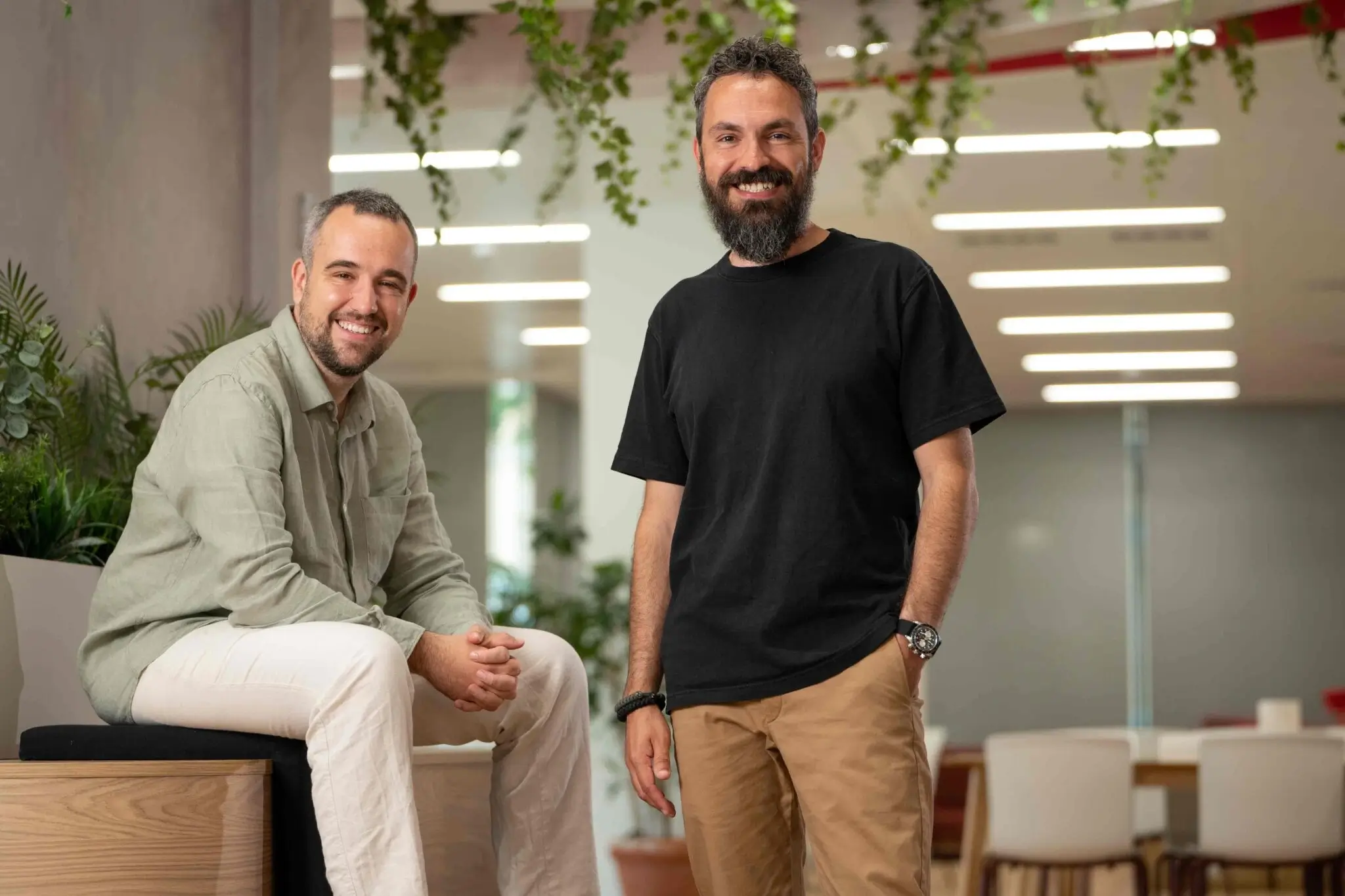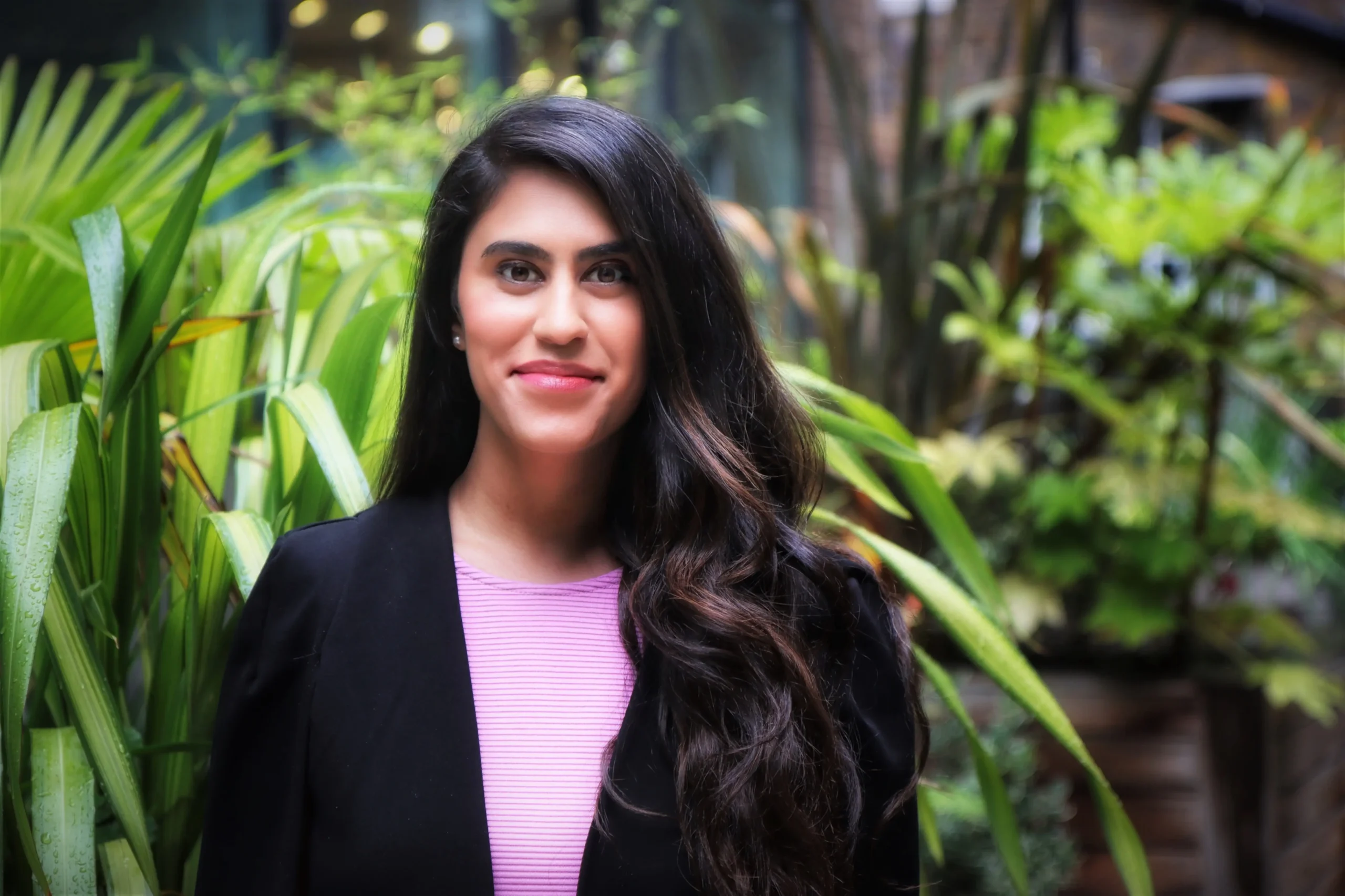
Anastasia Dellis stepped into the CEO role at Orbisk in August 2025, taking the helm of a Utrecht based food tech company that now operates across more than 40 countries. With over 20 years in corporate and scale up environments, she brings a background in brand development, team building, and P&L management, having overseen budgets exceeding €100M and led teams of more than 100 people. Her appointment marked a deliberate leadership shift as Orbisk moves from a proven European scale up to a company with genuine global ambitions.
Dellis describes her career as 20 years of building and scaling purpose led organizations and technology businesses across Europe and globally. Before joining Orbisk, she held a MD & CCO position at Soly, a solar energy company, where she managed cross functional operations and commercial teams. Her track record sits at the intersection of sustainability, operations, and people leadership. Before Soly, she spent two years at Gorillas, the Amsterdam based quick commerce startup, where she rose from Commercial Director Benelux to General Manager.
Alongside her executive roles, Dellis has been a FutureMaker at FutureWomenX since July 2022, a community focused on advancing women in leadership across Europe.
A Clear Operating Model:
At Orbisk, the company combines AI, computer vision, and operational design to help professional kitchens reduce waste, improve margins, and scale their sustainability impact. The core product is a hardware and software system called the Orbi, which sits above kitchen waste bins. It automatically photographs, weighs, and categorizes every item discarded, without requiring manual input from kitchen staff.
The platform claims kitchens can cut food waste by up to 70% and save up to €70K per year, with a reported return on investment of up to 12x, as stated on their website. Customers include hotels, hospitals, corporate catering operations, and cruise lines. Orbisk has partnered with Accor to reduce food waste by 60% across their hotels by 2030, surpassing the United Nations’ goals.
Scaling With Data:
Dellis came into the role with a specific thesis: food waste reduction isn’t just an environmental metric, it’s a business performance lever. She points to Orbisk’s product maturity as a key factor in timing, noting that the company has hundreds of monitors live, strong enterprise customers, and clear impact in the form of millions of kilograms of food saved and tens of millions of dollars in customer savings.
Her approach to scaling focuses on reducing the friction between pilot and full deployment. Features like Orbisk AI powered Actions, stronger integrations, and a repeatable rollout playbook significantly shorten time to value, enabling the company to move from a single site pilot to multi location deployment in a way that works for complex organizations. That’s a meaningful operational detail for enterprise buyers evaluating the product at scale.
The US and APAC Expansion:
Under Dellis’s leadership, Orbisk has accelerated its international expansion. The company officially launched in the US market, addressing the $1.5 trillion foodservice sector, bringing its AI powered food waste monitoring to a market where labor costs are high and food margins are tight.
The push into Asia Pacific followed shortly after. Dellis describes APAC as the fastest growing foodservice region in the world, where food costs are rising and sustainability reporting requirements are increasing, particularly in markets like Singapore where governments are introducing clearer waste measurement requirements. The region also represents a major share of global food waste, making it both a commercial opportunity and a high impact market for the company’s mission.
Dellis frames global leadership practically: it’s about being relevant everywhere you operate, combining strong local execution with a consistent, data driven platform that customers can rely on across regions. She also notes that the more kitchens Orbisk supports, the better the underlying intelligence becomes, a flywheel that benefits customers across geographies.
Leadership Style and Priorities:
Dellis describes her leadership style as rooted in listening, learning, and connecting, with her team, with customers, and with every kitchen that shares the company’s vision. That people first orientation is consistent with her background in people centric management across both corporate and scale up environments.
She’s also direct about what comes next for the product itself. The next stage of development involves automatic adjustments to procurement triggers, menu guidance, and staff scheduling based on real time demand, moving Orbisk from a visibility and insight tool toward active operational management.
For founders and operators who follow the European FoodTech space, Anastasia Dellis is a useful profile to track. She brings exactly what a post Series A company often needs: someone who knows how to translate proven technology into repeatable, scalable commercial execution. Orbisk raised €8M in an oversubscribed Series A, and with Dellis driving the next phase, the company is actively deploying that capital across three continents.
You can explore other profiles from women building in the European tech ecosystem in our Women in Tech section.